What Texas’s 2026 HVAC Changes Mean for Your Home
The Texas heat hasn’t changed unfortunately. It’s still hot. What has changed are some of the rules behind the equipment responsible for keeping that heat outside… where it belongs!!
Effective September 1, 2026, the Texas Department of Licensing and Regulation updated the applicable codes used for air conditioning and refrigeration contracting from the 2021 editions to the 2024 editions of the International Residential Code, International Mechanical Code, International Fuel Gas Code and Uniform Mechanical Code.
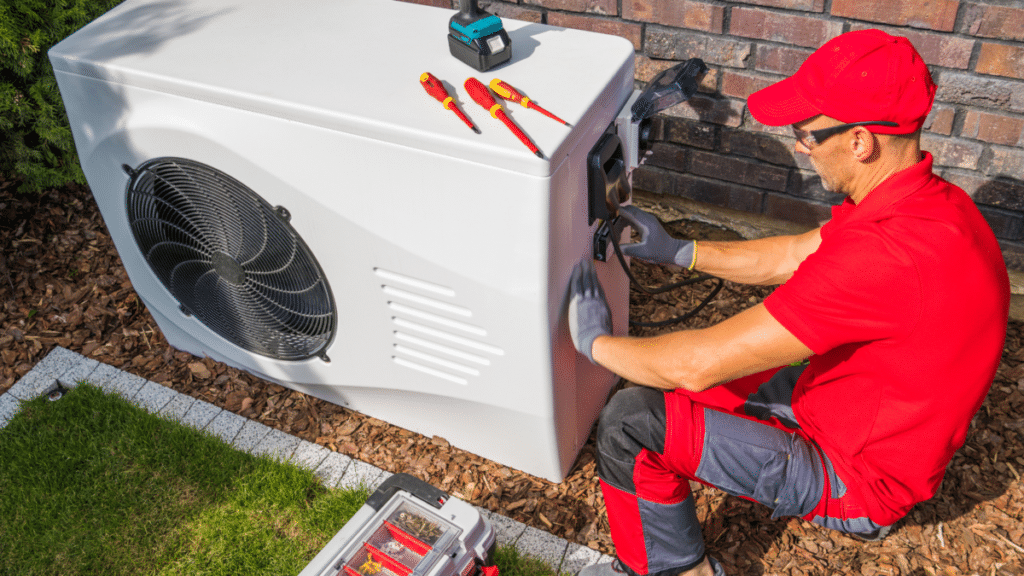
At roughly the same time, the HVAC industry has been working through another major change: the move away from R-410A in newly installed residential air-conditioning systems and toward refrigerants with a lower Global Warming Potential, or GWP. For years, R-410A — the refrigerant commonly used inside residential air-conditioning systems to transfer heat — has been the industry standard. Now, newer residential systems are beginning to use refrigerants such as R-32 and R-454B, which are designed to reduce environmental impact while still doing the very important job of keeping a Texas house from feeling like the surface of the sun.
Even your A/C system gets an occasional software update.
What Changed in Texas?
The State of Texas periodically updates the technical standards that govern air-conditioning and refrigeration contractors. As of September 1, 2026, Texas adopted the 2024 editions of four major codes:
- International Residential Code
- International Mechanical Code
- International Fuel Gas Code
- Uniform Mechanical Code
The state also updated its references to the 2024 editions of ASHRAE Standards 15 and 34, which address refrigeration-system safety and the classification and use of refrigerants.
For projects permitted or started before September 1, 2026, the previous 2021 code editions may still apply. You can read the full rule adoption in the Texas Register.
That sounds like information only an HVAC contractor could love, but there is a reason Owners should know about it, too.
The equipment, refrigerant, installation requirements and safety standards behind today’s HVAC systems are changing. When you’re building a new custom home, those decisions need to be considered as part of the home as a whole — not as an equipment order made near the end of construction.
Texas’ Refrigerant Change
For years, R-410A has been common in residential air-conditioning systems, but that is changing.
Under the U.S. Environmental Protection Agency’s Technology Transitions program, new residential air-conditioning systems are moving toward refrigerants with lower GWP. Beginning January 1, 2026, R-410A components can continue to be manufactured and sold for servicing existing equipment, but they cannot be used to install a new R-410A system.
The EPA explains the R-410A transition here.
You may now hear names such as R-32 or R-454B when discussing new equipment. Both are among the refrigerants the EPA lists for residential and light-commercial air conditioning, subject to applicable use conditions.
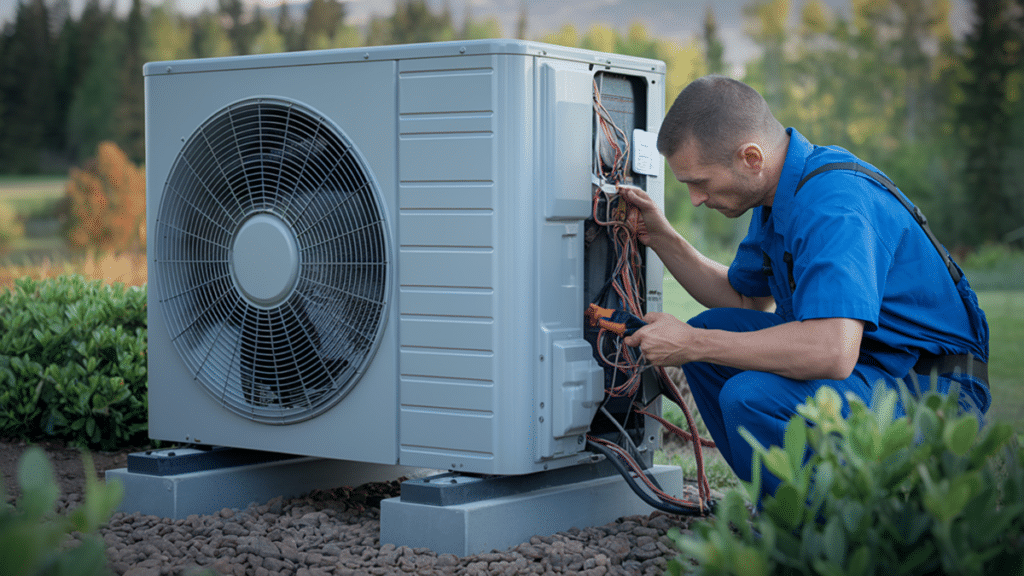
They are classified as A2L refrigerants, which means they have different characteristics and safety requirements than the refrigerants many Owners — and many homes — have used in the past. This means equipment manufacturers, HVAC contractors, builders and designers need to understand the new installation and safety requirements that come with the technology.
ASHRAE Standards 15 and 34 provide much of the industry framework surrounding refrigerant classifications and refrigeration-system safety.
Do You Need to Become an HVAC Expert?
No, that’s why you hire people! An Owner should not spend Saturday night reading mechanical code instead of watching a movie they’ve already seen 47 times. That’s a big mistake… HUGE!
When you’re building a custom home, it is worth understanding that HVAC design is much more involved than deciding how many tons of cooling equipment to install.
Square footage matters, but so do ceiling heights, windows, insulation, orientation, air sealing, room usage, ductwork, equipment location and the amount of heat entering different areas of the house.
Let’s be clear — bigger is not automatically better. The U.S. Department of Energy’s Building Science Education program specifically cautions against sizing HVAC equipment by “rule of thumb.” Oversized systems can cycle on and off too frequently, which can lead to high humidity levels. Higher humidity means less comfort.
In other words, putting the biggest possible A/C unit on the house is a little like buying shoulder pads in 1987.
Aren’t those making a comeback?
What Does This Mean When Building a Custom Home?
For us, the important part of these changes is not memorizing refrigerant classifications rather it’s the coordination between all vendors.
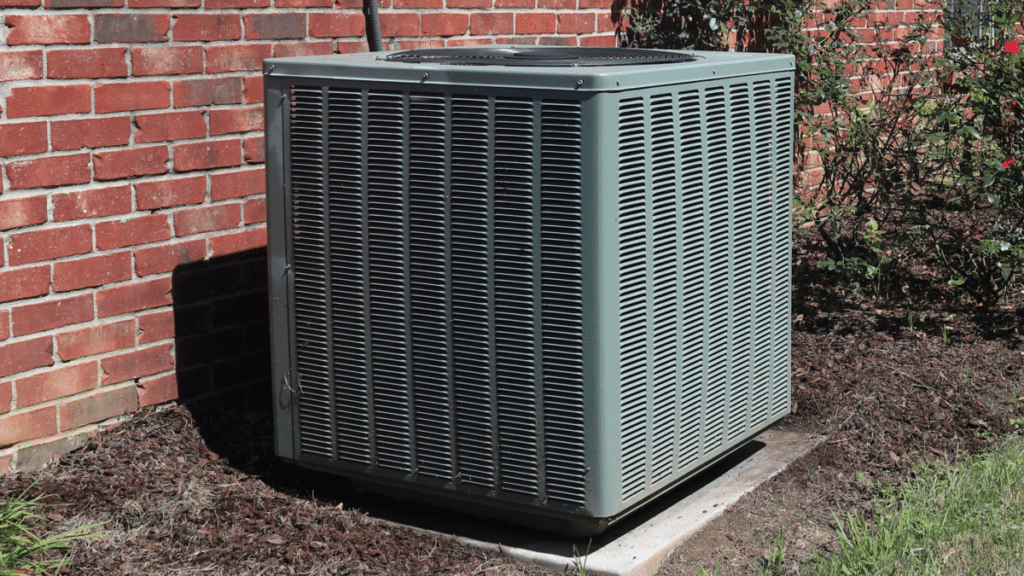
The HVAC system touches every single inch of your home. Mechanical design can affect framing, ceiling details, attic spaces, equipment rooms, electrical requirements, condensate routing, fresh-air systems, return-air locations and even where access will be needed for future service.
On a large custom home, there may also be multiple systems, multiple zones and very different heating and cooling demands from one portion of the home to another. Those decisions should be coordinated before everyone is standing in a mechanical room wondering where everything is supposed to go.
What Should Owners Ask?
You do not need to show up to your next meeting carrying the International Mechanical Code under your arm.
But there are a few things worth discussing with your builder and HVAC team:
- What refrigerant will the equipment use?
- Has the HVAC system been sized based on the home’s actual heating and cooling loads?
- How are different areas of the home being zoned?
- Where will the equipment be located, and can it be reasonably accessed for future service?
- How have ductwork, fresh air, humidity control and filtration been incorporated into the design?
Perhaps most importantly: has the HVAC system been designed as part of the house, or has it been added? There is a difference!
Building for the House You’ll Own Tomorrow
Building codes and equipment standards will continue to change. Technology will continue to change. The Texas summer will probably remain stubbornly committed to being the Texas summer.
Our job is to pay attention to the things happening behind the walls just as closely as the things everyone will eventually see. Even the prettiest room in the house loses some of its charm when it’s 82 degrees in July.
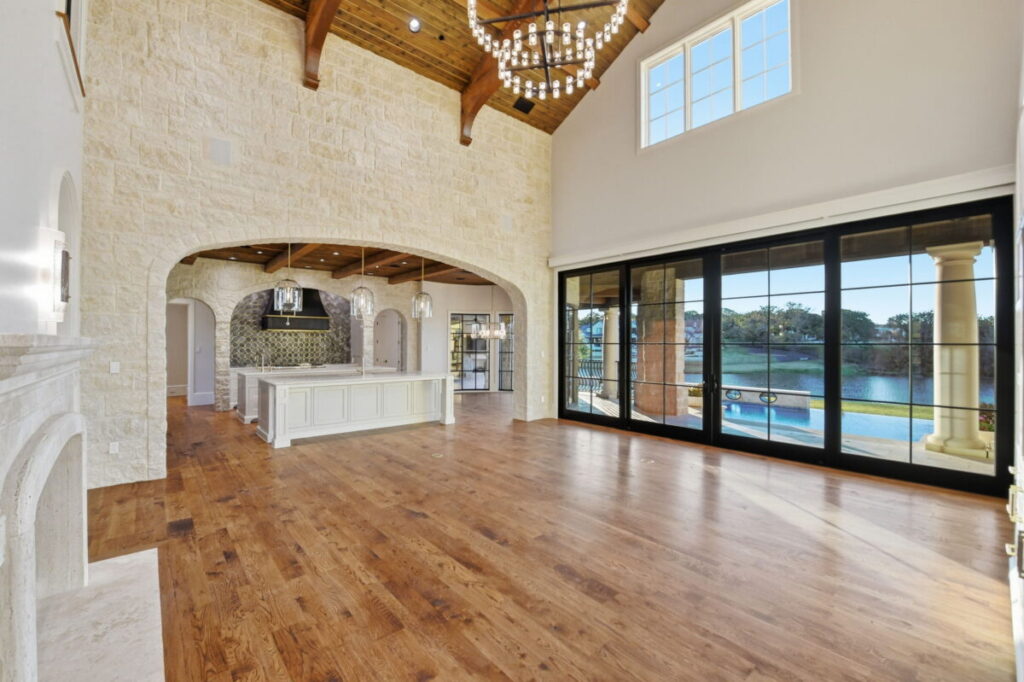
At Garabedian Properties, we believe a custom home should be considered as one complete system — from the architecture and structure to the mechanical systems that make the home comfortable.
You shouldn’t have to become an HVAC expert, but your team should be.