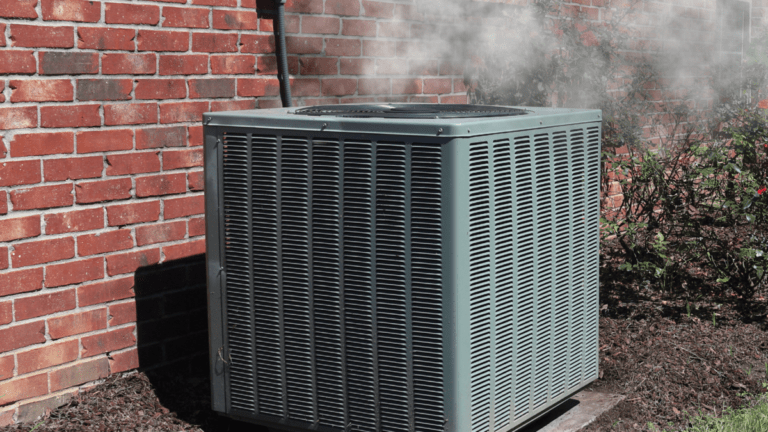
Give Your Home a Bath!
You take a shower every day (or you are supposed to). You wash your car once a week, wax it before a road trip, and vacuum the floorboards when company is coming. When is the last time you gave your home a bath? Power washing your home is the one wash nobody puts on the calendar, while the exterior stands outside collecting every pollen bloom, every sprinkler cycle, and every summer of grill smoke.
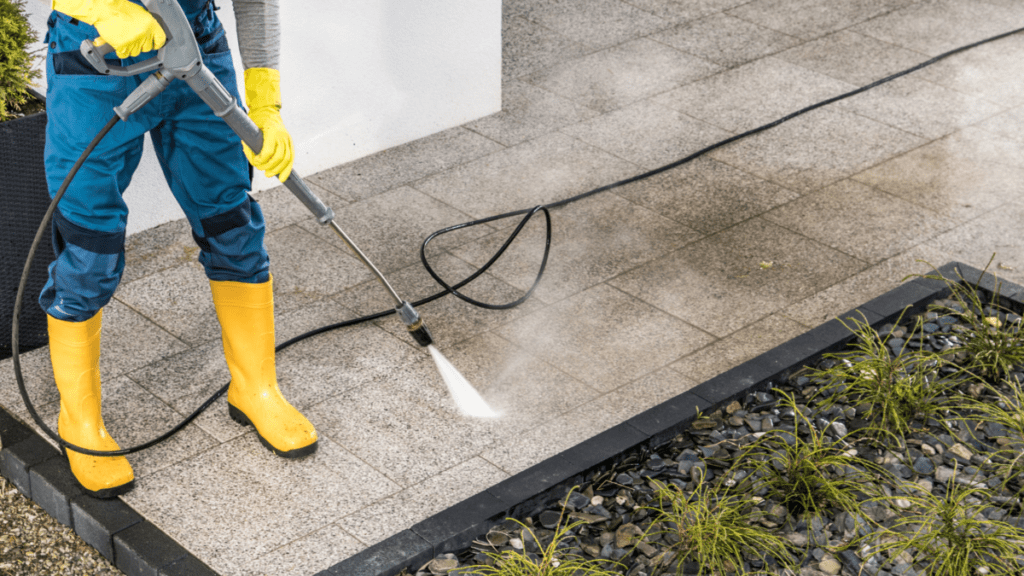
The job ranks near the bottom of any annual maintenance list for glamour. It also happens to protect three things at once: your masonry, your exterior lighting, and the finishes holding both together.
What Collects on a North Texas Home Exterior
North Texas gives an exterior a great deal to hold onto. Over twelve months, a typical elevation accumulates:
- Dirt dauber tubes under eaves, in soffit corners, behind shutters, and inside light fixtures
- Spider webs, which are the reason the dirt daubers arrived in the first place
- Oak tassels, cedar pollen, and the yellow-green film that follows every spring
- Algae and mildew on north elevations that never see direct sun
- Rust staining where sprinkler heads throw iron-rich water across brick and limestone
- Hard water scale, fertilizer splatter, and mower-thrown clippings along the base of the wall
- Carbon film from grills, fire pits, and chimney discharge
- Road film and construction dust on homes near arterial streets or active job sites
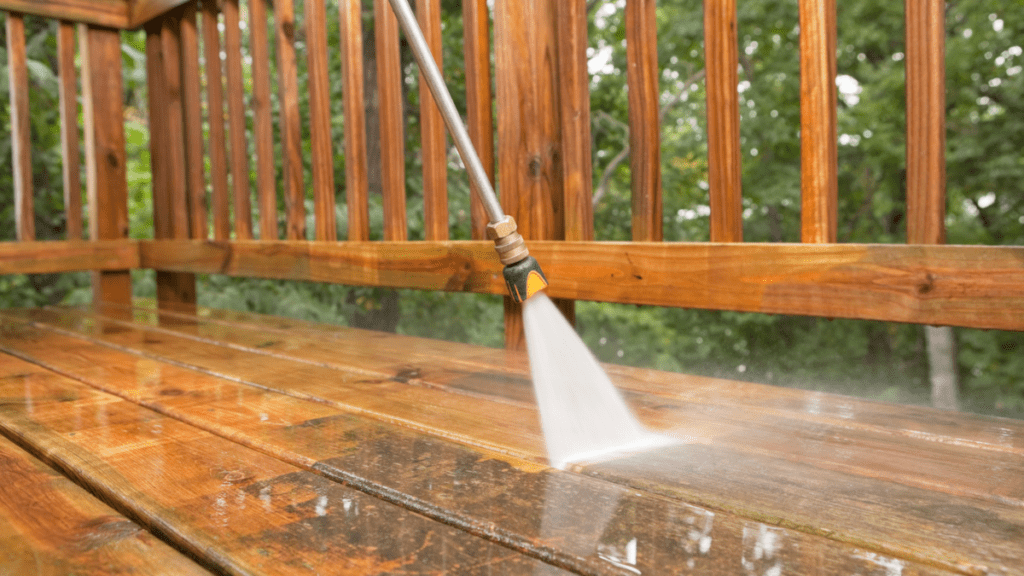
Individually, none of it looks urgent. Collectively, it forms a damp, mildly acidic blanket resting against brick, limestone, and stucco for years at a time.
Why Dirt Daubers Keep Building on Your Eaves and Light Fixtures
Dirt daubers, called mud daubers by the entomologists, are solitary wasps. A single mated female gathers mud, builds a tube or a cluster of cells, packs each cell with paralyzed spiders, seals it, and moves on. The Texas A&M AgriLife field guide notes that these nests turn up under eaves, in garages, and in any protected spot out of the rain, which describes nearly every soffit return, column capital, and recessed fixture on a custom home.
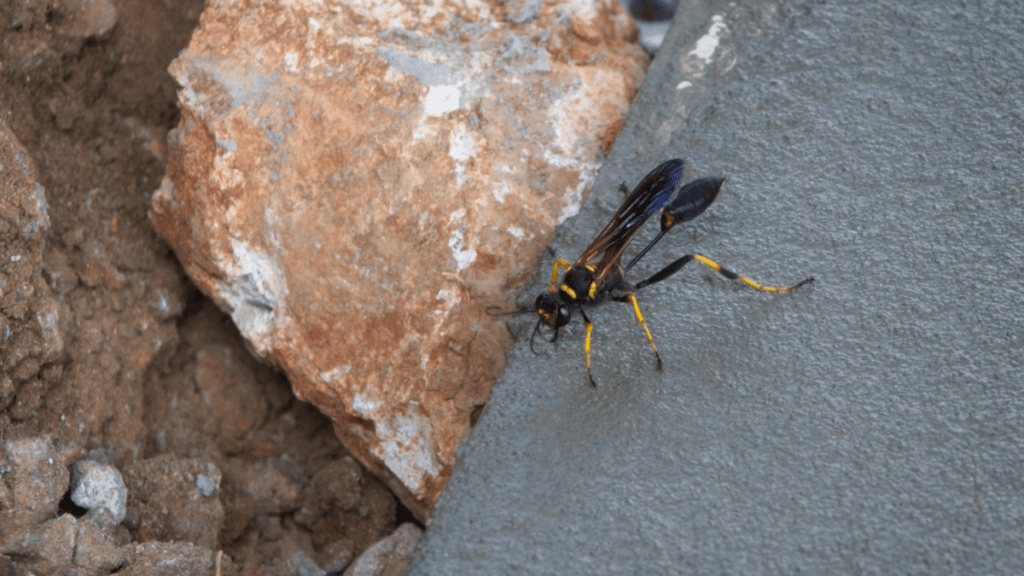
Two details matter for maintenance. The wasp departs once the cells are sealed, leaving hardened mud bonded to your finish for as long as you allow it to stay there. The blue mud dauber also prefers to commandeer abandoned nests rather than build fresh ones, so an unwashed elevation earns repeat visitors season after season.
The second detail is simpler. Dirt daubers follow spiders. Wash the webs away and you have removed the pantry.
How Power Washing Your Home Extends the Life of Brick, Limestone, and Stucco
Masonry fails at the joints, slowly, wherever moisture is held against the wall long enough to matter. Grime accelerates every step of that process.
- Biological growth behaves like a sponge. Algae, lichen, and moss hold water against mortar. North Texas can swing forty degrees in thirty-six hours, and every freeze-thaw cycle inside a saturated joint works to spall the brick face and crumble the mortar behind it.
- Lichen etches. It anchors itself with organic acids that pit limestone and cast stone permanently.
- Mortar is the soft spot. Joints are more porous than the brick face, which means they absorb more, stay wet longer, and deteriorate first.
- Stains cure. Rust and efflorescence left to bake through a Texas summer are substantially harder to remove the following year.
- Coatings chalk. Painted shutters, garage doors, trim, and ironwork hold mildew that shortens the service life of the coating and turns the next repaint into a larger project. Our Pro Tip on painting an iron fence covers what that neglect costs on the metal side.
Washing on a schedule keeps small maintenance small. Deferring it long enough converts a wash day into a tuckpointing project.
Exterior Lighting Fixtures Lose Output Before They Fail
Exterior lighting is where grime arrives first and gets noticed last. Landscape uplights sit at grade, aimed at the very masonry that sheds dust, and their lenses collect a film of soil, calcium, and insect debris. A lens carrying a season of hard water spots delivers noticeably less light than the fixture you paid for, long before anything burns out.

Wasps and dirt daubers also nest inside fixture housings, around gaskets, and in the weep openings of path lights. Brass and copper oxidize unevenly beneath a layer of dirt, which is how a matched set of fixtures ends up looking like four different finishes.
One caution, and it is worth repeating to whoever holds the wand: exterior fixtures should be washed by hand, never blasted. Water forced past a gasket reaches the driver, and a compromised driver produces exactly the symptom we described in our Pro Tip on flickering lights.
Pressure Ratings Matter More Than Horsepower
Rented equipment and an ambitious Saturday afternoon is how most exterior damage happens. The machine does not know the difference between a mud tube and a mortar joint.
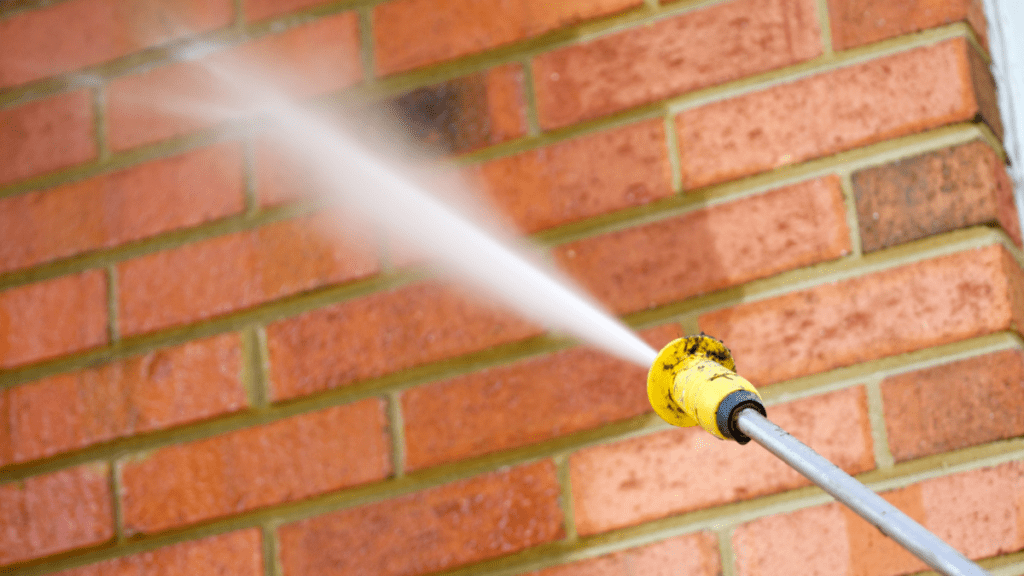
The Brick Industry Association’s Technical Note 20 on cleaning brickwork treats anything above 800 psi as high pressure and recommends low pressure, under 400 psi, for rinsing cleaning solution from a wall. It also calls for a 25 to 50 degree fan tip held no closer than twelve inches from the surface, and a trial cleaning in an inconspicuous area before anyone approaches the front elevation.
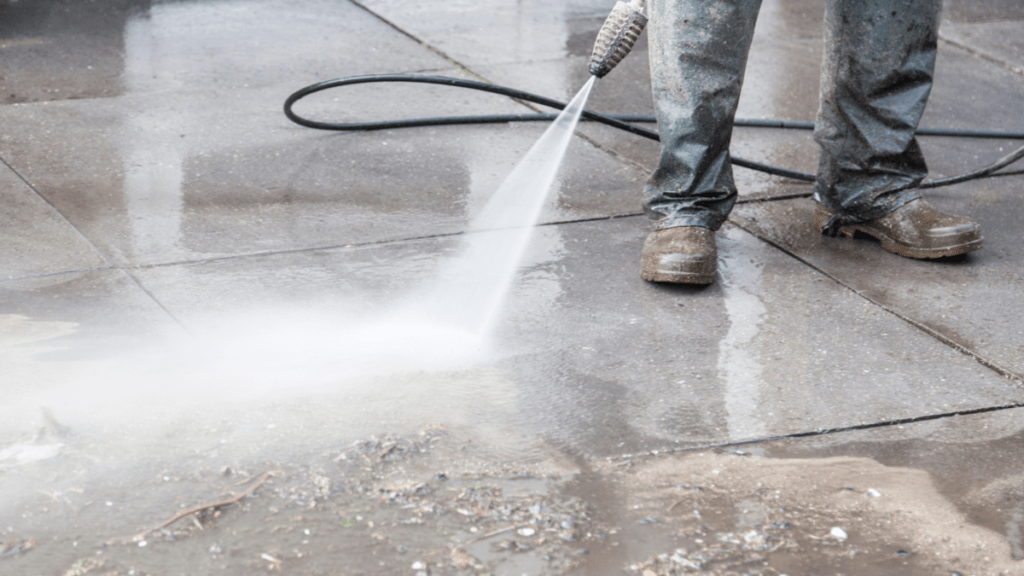
Stucco and synthetic stucco are less forgiving still. Guidance published by the Association of the Wall and Ceiling Industry puts the work on the cleaning solution rather than the pressure, and warns that high pressure drives water behind the system through caulk joints, miter joints, and uncaulked penetrations.
What goes wrong when pressure substitutes for patience:
- Water driven past window seals, door weatherstripping, and brick weep holes into the wall cavity
- Mortar joints scoured out, requiring tuckpointing that costs many times the price of the wash
- Cedar posts, wood soffits, and painted trim furred, splintered, or stripped in streaks that will not blend
- Soffit vents pressurized, sending water directly into the attic
- Cleaning solution allowed to dry on the wall, leaving a white scum that requires a second, harsher cleaning to correct
Soft washing, meaning low pressure paired with an appropriate detergent and adequate dwell time, handles most residential exteriors. Wet the wall first, keep it wet, work in uniform strokes, and rinse until the runoff at the base of the wall runs clear. Saturate the beds and shrubs before any solution goes near them.
When Power Washing Your Home Makes Sense in North Texas
Once a year suits most homes. Twice a year suits homes under heavy oak canopy, homes on shaded lots, homes fronting arterial roads, and homes downwind of active construction.
- Late spring, once the pollen and oak tassels have finished falling
- Early fall, after mowing season has thrown its last round of clippings against the wall
- Not ahead of a hard freeze. Washing leaves water sitting in joints, on walkways, and around fixtures, which is the last thing you want when the temperature drops. Our guidance on freeze protection explains why that timing matters here.
Pair the wash with the rest of your annual exterior work. Our Owners commonly schedule power washing alongside the annual roof tune-up and a gutter review, since one coordinated visit answers whether the gutters are draining, whether the downspouts are packed with dirt dauber tubes, and whether anything on the roof needs attention before winter. If someone knocks on your door offering to handle the gutters while they are up there, read our Pro Tip on gutter salesmen first.
Washing also exposes something most Owners never look at. The weep holes along the bottom course of your brick are open joints by design, and they are how the wall drains. If mulch and soil have buried them over the years, dirt is the smaller of your two problems, and we covered the larger one in Do Not Let Spring Landscaping Fill Your Home With Water.
Every Home Is Different

This is a general guideline rather than a specific action plan. Not all of these items will apply to your home. A limestone elevation, a painted brick elevation, and a synthetic stucco elevation each require a different solution, a different pressure, and a different set of precautions, and a single wrong decision on any one of them is visible from the street for years. If you are unsure, have a professional evaluate the home before the first trigger pull.
Let Our Team Carry the Calendar
Garabedian Estate Management Services, or GEMS, is a membership program for Owners who would rather enjoy their home than manage it. Our team maintains the schedule, selects and coordinates the Professional Partners who perform the work, and stands on site while it happens. We know which elevation blooms first, which fixtures are sealed and which are not, and which stone will etch if the wrong solution touches it. Members receive proactive care of this kind as a matter of routine, described in more detail on our Estate Management Services page and in Memberships Include Having a Team at Your Disposal.

If you are ready to hand your exterior maintenance calendar to someone else, call us at 817.748.2669, email Info@GarabedianProperties.com, or reach out to us on our contact page. We would be happy to walk your property, look at your masonry, and tell you what services you need.