How Data Centers Are Affecting the North Texas Housing Market
Most homeowners hear “data center” and think about AI, servers, electricity and maybe a giant building with no windows.
But we look at it differently: Land, power, water, skilled labor, etc.
We look at what happens to the housing market when another industry shows up needing a tremendous amount of all four.
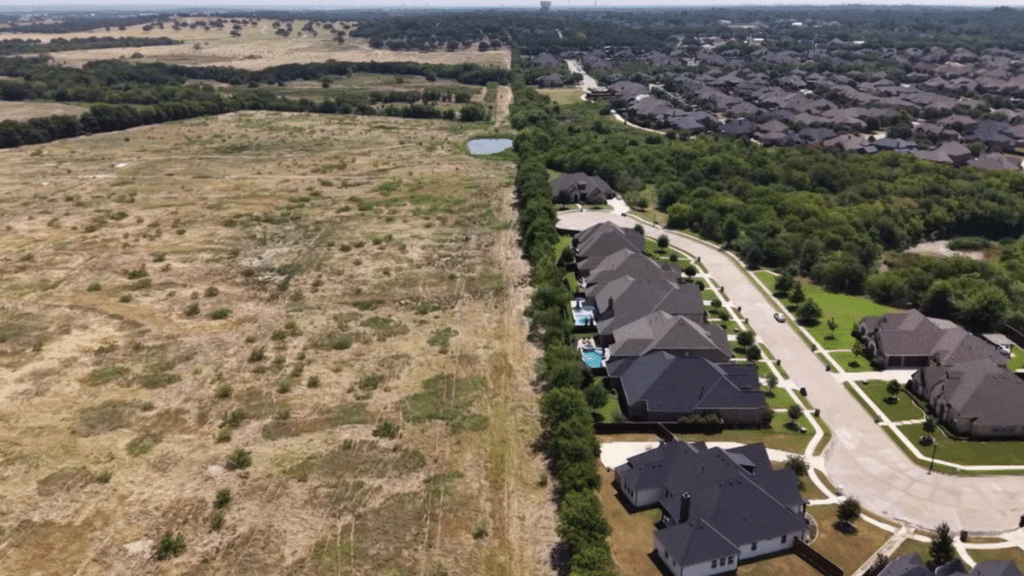
According to CBRE, Dallas-Fort Worth is now the third-largest colocation data-center market in the country. DFW data-center inventory increased more than 43% year over year in the first quarter of 2026, with hundreds of additional megawatts already under construction.
That is a lot of growth in a very short period of time. Growth always has consequences.
Data Centers and Housing Need a Lot of the Same Things
A data center and a subdivision are obviously not the same thing. That being said, they do compete for a lot of the same resources:
- They both need land.
- They both need electricity.
- They both need water and infrastructure.
Somebody has to build them!!
There are only so many electricians, plumbers, HVAC technicians, engineers and other skilled trades in the market at one time. You cannot announce billions of dollars in new construction and suddenly manufacture another 10,000 experienced electricians.
The labor has to come from somewhere.
And when one part of the construction industry starts paying more for the same people, the rest of the market is impacted.
First, Let’s Talk About the Land
This may be the biggest long-term issue. The National Association of Home Builders recently addressed this directly in research titled Servers Over Shelter.
Data-center developers are beginning to outbid residential developers for land.
NAHB has identified Texas examples where land along growth corridors that once sold for roughly $20,000 to $40,000 per acre has reportedly sold for more than $350,000 per acre for data-center demands.
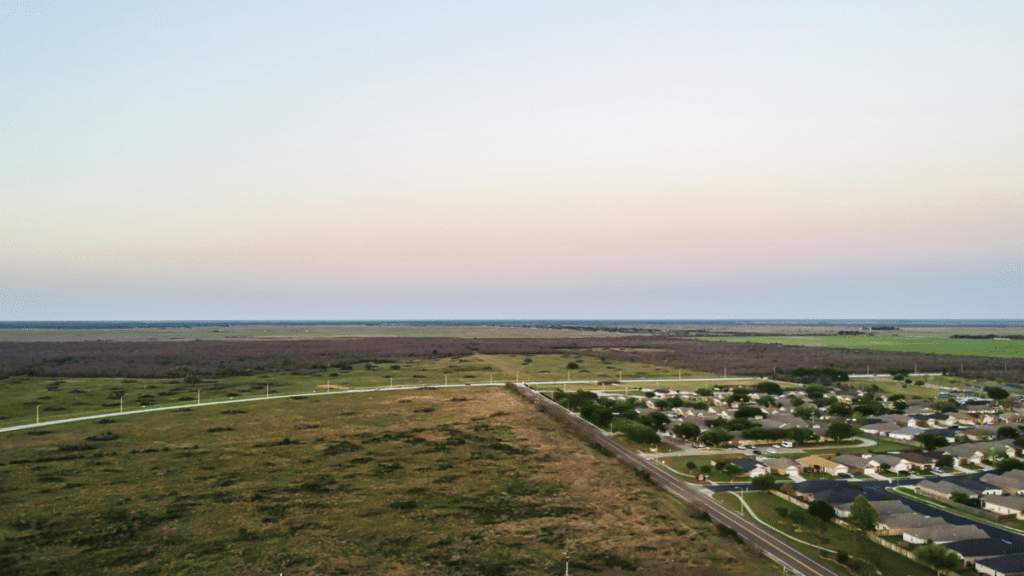
If home builders pay too much for the land, it has to go into the price of the finished home. At some point the numbers stop working. A data-center developer is looking at that property through a completely different financial model.
When people ask, “Will data centers make houses more expensive?” the answer is not always a simple “Yes” or “No”. There’s more nuance to it.
If land that would have supported several hundred homes goes to another use, those homes disappear from future inventory.
Do that enough times in a growing market and you have a supply problem.
Yet, we already have a supply problem…
Texas Already Needs More Housing
The Texas Association of Builders estimates that Texas is short approximately 306,000 homes based on population demand.
North Texas continues to grow because people want to live here. Businesses continue to move here. Families continue to move here.
Those people need somewhere to live.
If we keep adding population while making it harder to produce housing, something has to give.
Usually that means prices. Or people have to move farther out. Or both…
Now Add a Construction Labor Shortage
This is where the problem gets more interesting.
TAB also reports that approximately 40% of the construction workforce is expected to retire by 2031.
Think about that – we already do not have enough people entering the skilled trades. We already need more homes.
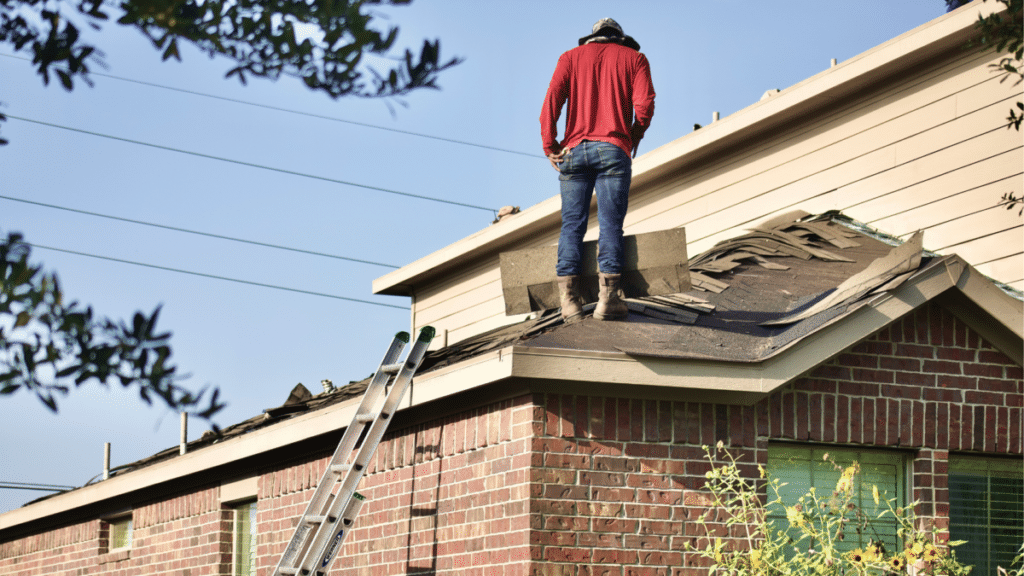
Now we are adding an enormous amount of data-center construction that needs electricians, plumbers, HVAC technicians, controls specialists and other highly trained workers.
Everybody is fishing out of the same pond.
NAHB has also raised concerns about data centers competing with housing for construction labor.
Eventually, that pond is going to run out of fish.
We Don’t Have to Guess What Happens. Look at Abilene.
The Texas Tribune reported on home builders in Abilene losing electricians to the massive Stargate AI data-center project.
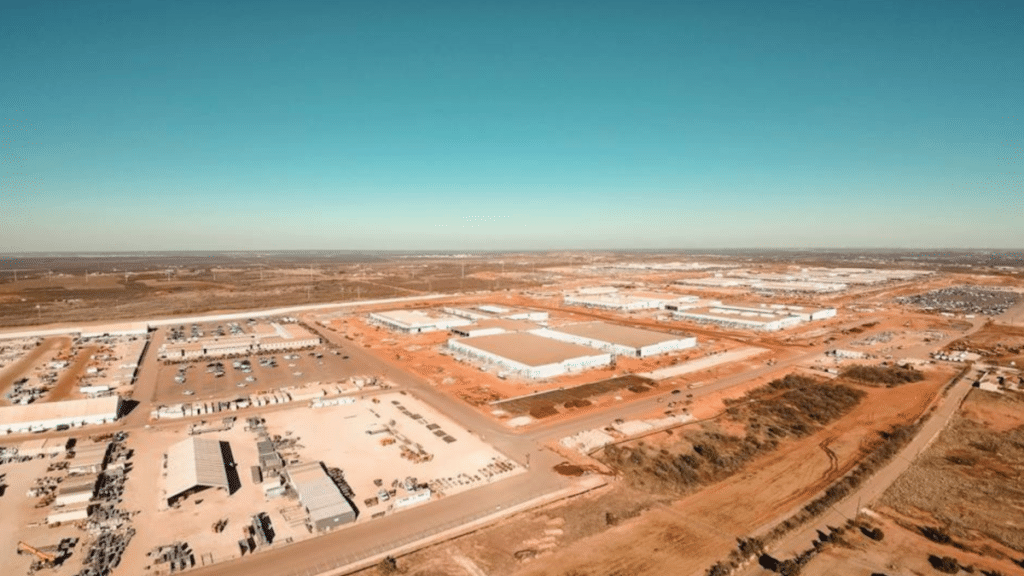
One builder said homes were taking about two months longer to finish after electrical workers left for data-center jobs. Why did they leave?
Money.
You cannot blame the electrician. If somebody offers you substantially more money to go work on another project, you are probably going to look at it. But there is an unintended consequence.
The residential builder still needs his house wired. So now, he has to find somebody else, pay more, wait longer or some combination of all three.
That affects the homeowner. Maybe it shows up in the construction schedule or in the budget.
Usually it shows up in both.
This Is Why We Keep Talking About the Global Budget
We talk about the global budget all the time when we build a custom home.
The global budget is not just the house. It is:
- The land
- Architecture
- Engineering
- Site work
- Utilities
- Landscaping
It is everything required to accomplish what you are trying to accomplish.
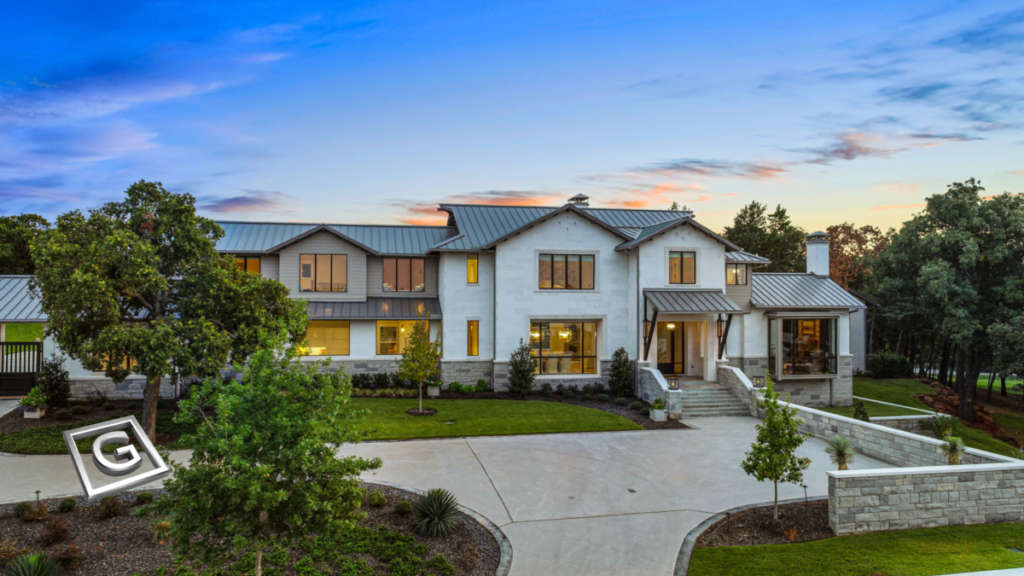
If land is becoming more expensive, utility extensions are becoming more complicated or certain trades are becoming more expensive, you need to understand that before you design a house you cannot afford to finish.
That is why we want to be involved early.
Going fast in the beginning because you are excited can make the entire project slower later.
The more homework you do before the plans are complete, the fewer surprises you have when somebody actually has to build the thing.
What About Electricity?
This is probably the part people hear about most next to water usage.
Data centers use an extraordinary amount of electricity. That does not automatically mean somebody builds a data center down the road and your electric bill doubles next month. But pretending there is no effect would be just as foolish.
The Federal Reserve Bank of Dallas has studied the effect of data centers on electricity markets and found that increasing data-center demand can put upward pressure on wholesale electricity prices.
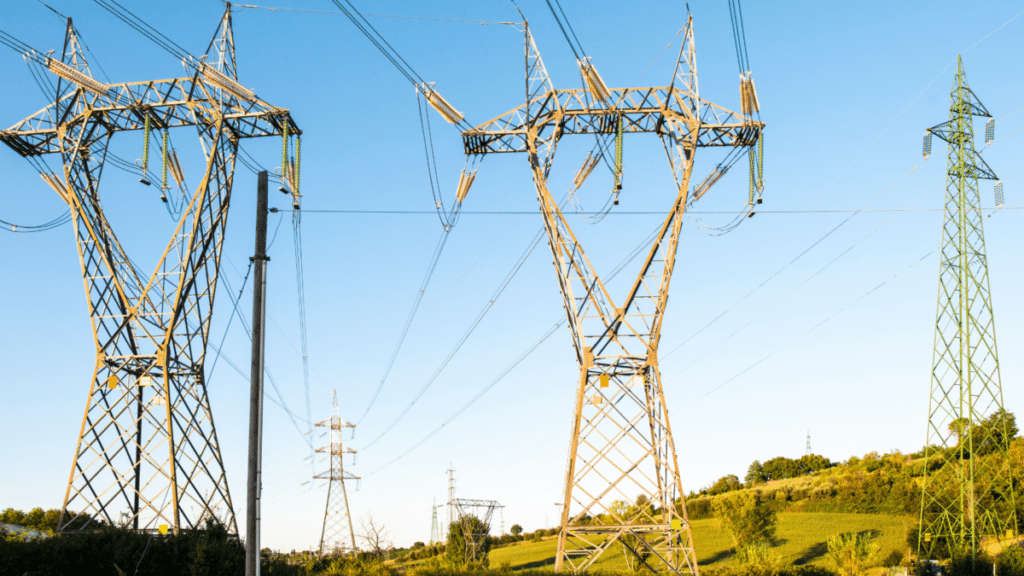
Texas has a unique electric market, and ERCOT has historically seen a smaller effect than some other parts of the country.
But that does not mean the future effect will be zero.
We are talking about a massive amount of proposed load coming onto the system.
Someone has to generate that electricity > Someone has to transmit it > Someone has to build the infrastructure.
The question homeowners should be asking is not simply, “Do data centers use a lot of electricity?” Of course they do!
The better question is:
Who is paying for the infrastructure required to serve them?
Texas Has Already Changed Its Rules
Texas lawmakers are understanding the issue, and taking action.
Senate Bill 6, which became effective in 2025, established new requirements involving large electrical loads connecting to the ERCOT grid.
Part of the purpose is to make sure Texas can manage enormous new users without creating unnecessary reliability problems or shifting inappropriate costs onto everybody else. Something we are unfortunately seeing in Utah.
Then There Is Water
Electricity gets a lot of the headlines, but water is the spark of conversation.
In 2026, the North Central Texas Council of Governments surveyed cities and counties about data-center development.
Nearly two-thirds said they had either approved a data center during the previous decade or were actively considering one. More importantly, 78% did not believe their existing infrastructure could accommodate data-center development without major upgrades.
Water was the biggest concern. 96% identified water supply as an issue.
That should get people’s attention.

We live in Texas.
We know what August looks like.
We know what happens during drought conditions.
So, when a facility is going to use large amounts of water, that is going to drive real concern for the public.
- How much water does it use on the hottest day of the year?
- Where is that water coming from?
- Is the water safe?
- Is it reused?
- What cooling system is being used?
- What happens during a drought?
Those are reasonable questions.
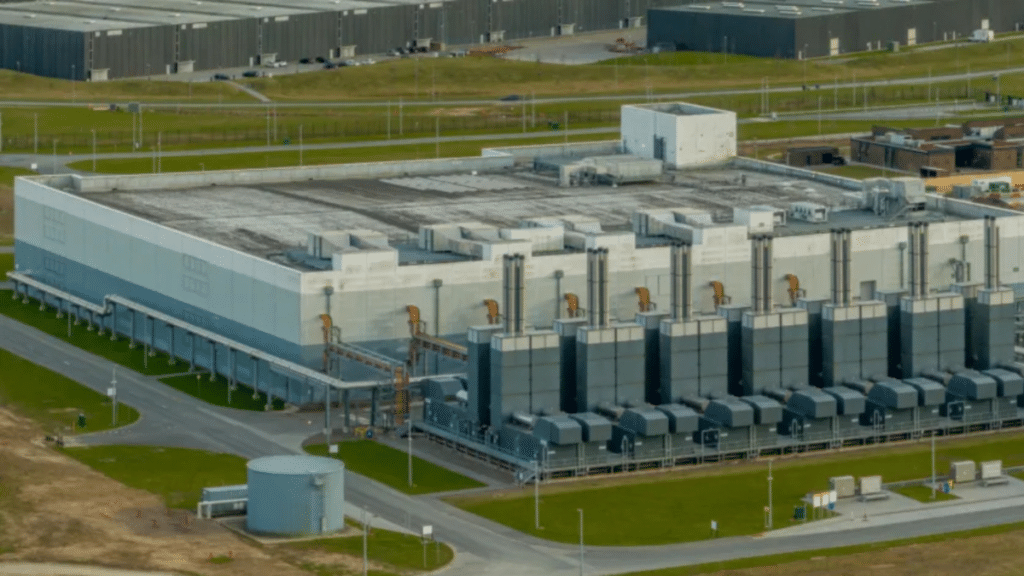
Not all data centers use water the same way. Newer cooling technology can dramatically reduce consumption.
Great. Then show us the numbers for this particular project!
That is more useful than arguing about an industry-wide average, especially in places like Lubbock, where it’s flat and desolate.
This Is Already Happening in Our Backyard
You do not have to go to Northern Virginia or Silicon Valley to see this debate.
Look at Westlake and Keller.
A proposed data center near the Keller-Westlake border has generated months of discussion involving noise, infrastructure, neighboring homeowners and how close a facility like this should be to residential property.
That is exactly why this matters to homeowners.
A city boundary does not stop noise, traffic, drainage, etc. It certainly does not stop somebody looking out their back window. The Westlake project also shows why the discussion is not black and white.
The Town of Westlake has estimated that the proposed development could generate millions of dollars per year in municipal revenue.
That money can help fund the entire city!
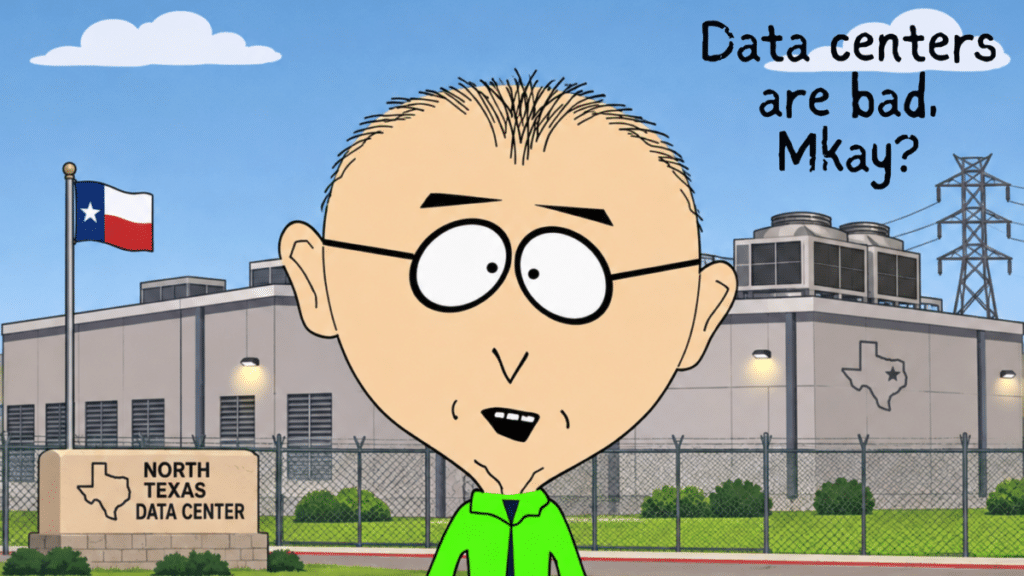
The argument cannot simply be, “Data centers are bad, mkay?”
The question is whether the economic benefit has been balanced against the impact on the people who already live there.
Fort Worth Is Having the Same Conversation
The City of Fort Worth is also examining the effects of data centers on power, water, land use, neighborhoods and municipal finances.
Fort Worth already has millions of square feet of data-center development either built, under construction or proposed.
This is not some theoretical issue twenty years away. Yay for Skynet!

Because our housing market is regional, what happens in one North Texas city affects its neighboring communities.
An electrician working on a data center in Fort Worth is not wiring a custom home in Southlake that day.
A large parcel purchased for a data center cannot also become a residential neighborhood.
A megawatt committed to one use is a megawatt that has to be planned for somewhere in the system.
Everything has an opportunity cost.
Will a Data Center Hurt My Property Value?
Maybe…
How close is it? There is a huge difference between a data center five miles away and a data center sitting behind your backyard.
Anybody who gives you one blanket answer about property values is guessing.
Large commercial investment can improve a city’s tax base and bring new infrastructure and economic activity. Those things can be positive for a community.
But if your home backs up to generators, cooling equipment, substations or transmission infrastructure, a future buyer may care about that.
When we evaluate a piece of property for an Owner, we are not only looking at what is there today. We want to know what can happen around it tomorrow.
- What is the adjoining property zoned for?
- What does the future land-use plan show?
- Where are the utility easements?
- What can somebody build next door?
People spend tremendous amounts of time studying the kitchen they are going to put in a house and sometimes fifteen minutes studying the 100 acres behind the lot.
That is backwards.
You can remodel your kitchen, but you cannot remodel your neighbor’s property.
Northern Virginia Gives North Texas a Preview
Northern Virginia has been dealing with large-scale data-center development for years. It is one of the biggest data-center markets in the world.
NAHB’s research shows that data centers accounted for an estimated 20% to 30% of land development in Loudoun and Prince William Counties during parts of the last decade.
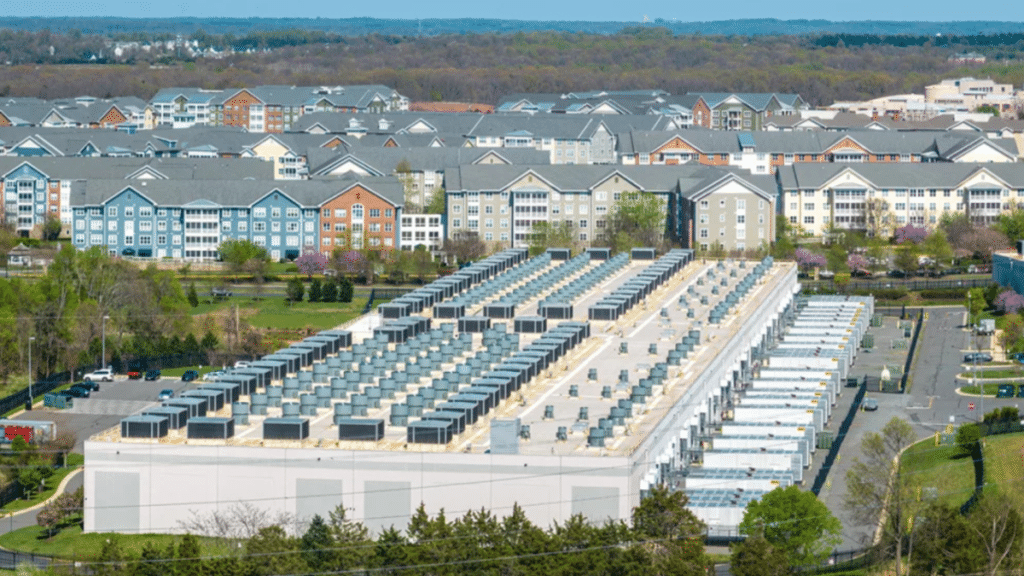
Some land transactions intended for data-center use have reached millions of dollars per acre. A residential developer cannot compete with that.
If the dirt costs several million dollars an acre, you cannot turn around and put reasonably priced houses on it. So development moves somewhere else.
There Are Benefits
We need to be fair. Data centers represent enormous capital investment.
- They create construction work.
- They purchase local services.
- They can provide significant tax revenue without adding thousands of children to a school district.
- They can help pay for infrastructure.
Texas clearly sees economic value in attracting them. The Texas Comptroller outlines sales-tax exemptions available to qualifying data-center projects that meet specific investment and employment requirements.
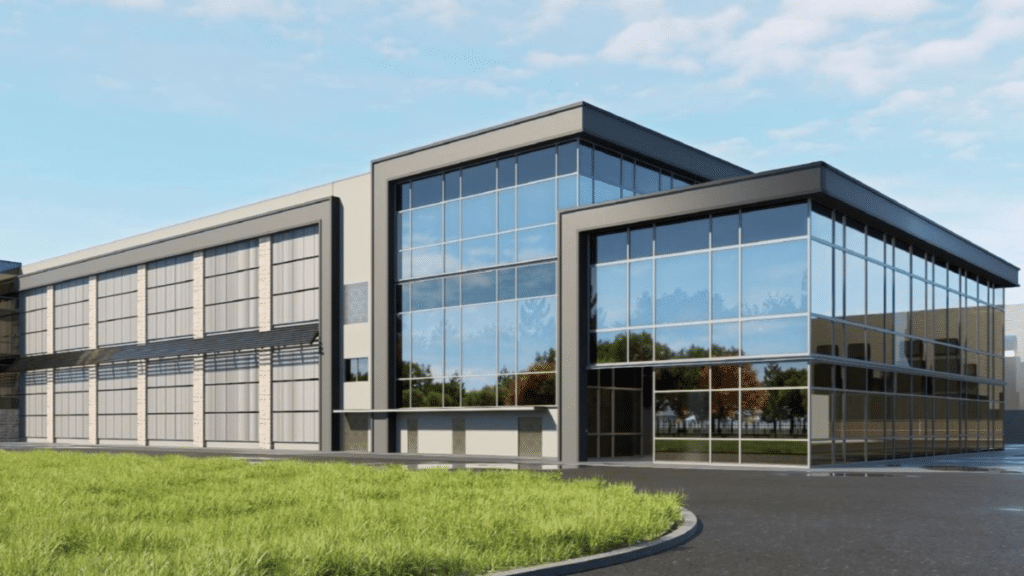
Those are legitimate benefits, but incentives should not eliminate scrutiny.
If we are giving somebody an economic incentive to build a project, the community should understand what it is receiving in return.
- How many permanent jobs are being created?
- What infrastructure is being built?
- Who pays for it?
- How much water will the facility use?
- How much electricity will it consume?
- What protections are being provided to neighboring property owners?
These are the questions we need to be asking our local city council members.
What Should Homeowners Be Asking?
If you own property near a proposed data center, or you are considering buying land near one, do your homework.

We would want answers to these questions:
- How close are the buildings, cooling systems, substations and backup generators to residential property?
- What are the actual nighttime noise limits?
- Where will the electrical transmission infrastructure go?
- What type of cooling system will be used?
- How much water will the facility use during peak summer conditions?
- Who pays for the required water, wastewater, road and electrical improvements?
- Are additional phases planned?
- What kind of landscaping and visual screening is required?
- How often will backup generators run or be tested?
- What can happen on the surrounding property in the future?
- Are the protections being discussed actually written into the development agreement?
- Do those protections remain if the property is sold?
If somebody cannot answer those questions before the project is approved, that should concern you.
So, Are Data Centers Going to Ruin the North Texas Housing Market?
No.
That is too dramatic. And Mike knows drama.
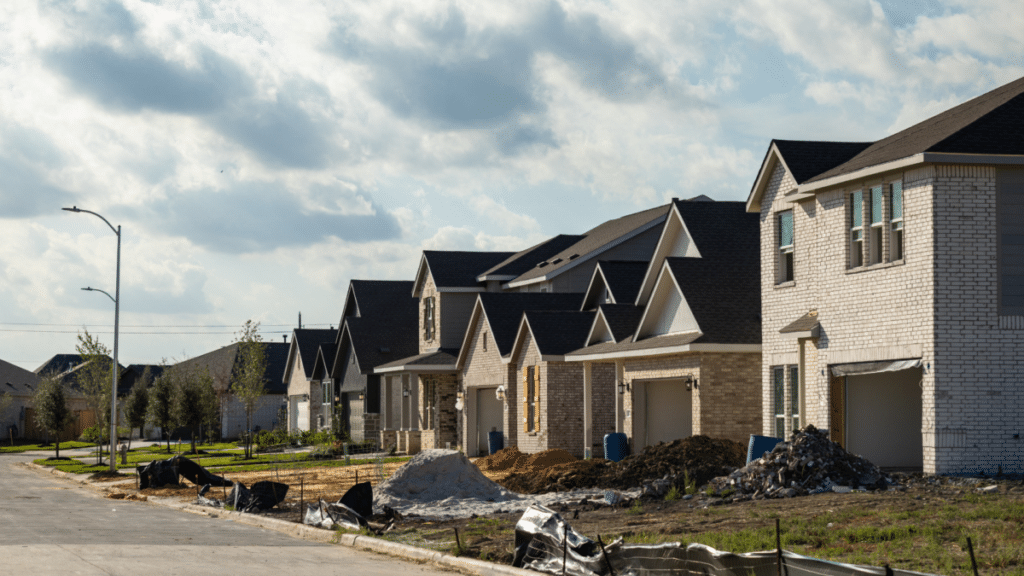
But pretending they will have no effect would be equally ridiculous. Data centers are now large enough and numerous enough that they are becoming another factor in the cost and availability of housing:
- They compete for land.
- They compete for labor.
- They require enormous utility infrastructure.
- They can increase local tax revenue.
- They can generate economic activity.
And when they are placed close to homes, they can create legitimate concerns for the people who already live there.
All of those things can be true at the same time.
The job is to understand the unintended consequences before we create them. The same principle applies when we build a custom home. We try to think through the whole project at the beginning. Not just what the house looks like, but how it sits on the property, how the water moves, where the utilities are, what is happening next door, or what the community will look like in the future.
You make better decisions when you understand the entire picture.
Frequently Asked Questions About Data Centers and North Texas Housing
Are data centers competing with home builders for land?
Yes. The National Association of Home Builders has documented cases where data-center developers are paying substantially more for land than residential developers can economically justify. If enough residential land is converted to other uses, it can reduce future housing supply.
Can data centers make homes more expensive?
Indirectly, yes. Higher land prices, competition for skilled construction labor and increased infrastructure requirements can all affect the cost of producing new housing. The impact will vary considerably by location.
Are data centers causing a shortage of electricians?
Data centers are adding significant demand for electricians and other skilled trades at a time when the construction industry already faces a workforce shortage. Texas builders have already reported losing workers to large data-center projects.
Will data centers raise my electric bill in Texas?
A data center does not automatically cause a nearby homeowner’s electric bill to increase. However, rapid growth in large electrical loads can affect wholesale electricity markets and require substantial new generation and transmission infrastructure. How those costs are allocated is an important policy issue.
Do North Texas data centers use a lot of water?
It depends on the cooling system. Some facilities can use significant quantities of water, while others rely on closed-loop, air-cooled or newer liquid-cooling technology. Homeowners should look at the specific system proposed for a particular development.
Can a data center hurt nearby property values?
There is no universal answer. Distance, noise, screening, substations, transmission lines and the character of the surrounding development all matter. A facility several miles away presents a very different situation than one immediately adjacent to a residential neighborhood.
What should I investigate before buying land for a custom home?
Do not stop at the property line. Review surrounding zoning, future land-use plans, utility easements, drainage, roads, planned commercial development and proposed data centers or major infrastructure. What happens around your property can be just as important as what you build on it.
Why does this matter for custom home buyers in North Texas?
Because building a custom home is a long-term decision. Before investing in the land, design and construction of a home, buyers should understand not only the property they are purchasing but how the surrounding area may change over the next 10, 20 or 30 years.