A patio door that won’t close properly may seem like a small inconvenience. That is until you receive your electric bill and it’s double than what it was last month. Or until you have to lift it, pull it, push it, and perform a minor wrestling match every time you want to go outside.
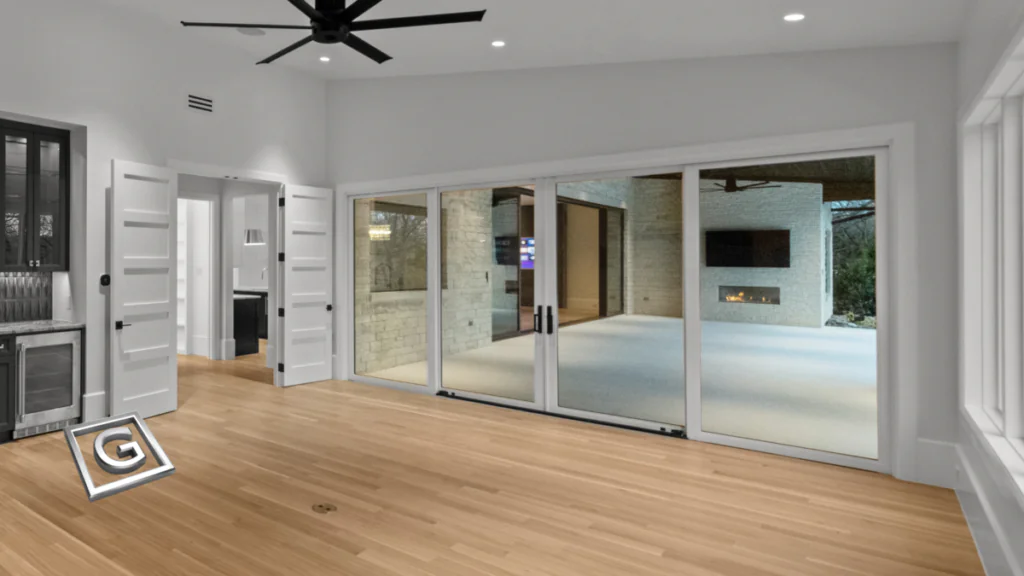
One of our GEMS Members noticed that their patio door was no longer closing and latching the way it should. Over time, the door had shifted just enough that the hinges and latch were no longer lining up correctly.
In North Texas, that actually isn’t uncommon.
Why Do Doors Shift?
North Texas is known for expansive clay soil, which responds to changing moisture levels throughout the year. During long stretches of summer heat and dry weather, the soil around a home can shrink. When moisture returns, it can expand again.
Expansive Clay Soils
For those who are interested in learning more about what causes the expansion of clay soil, click here and scroll down to page 16 of the report.
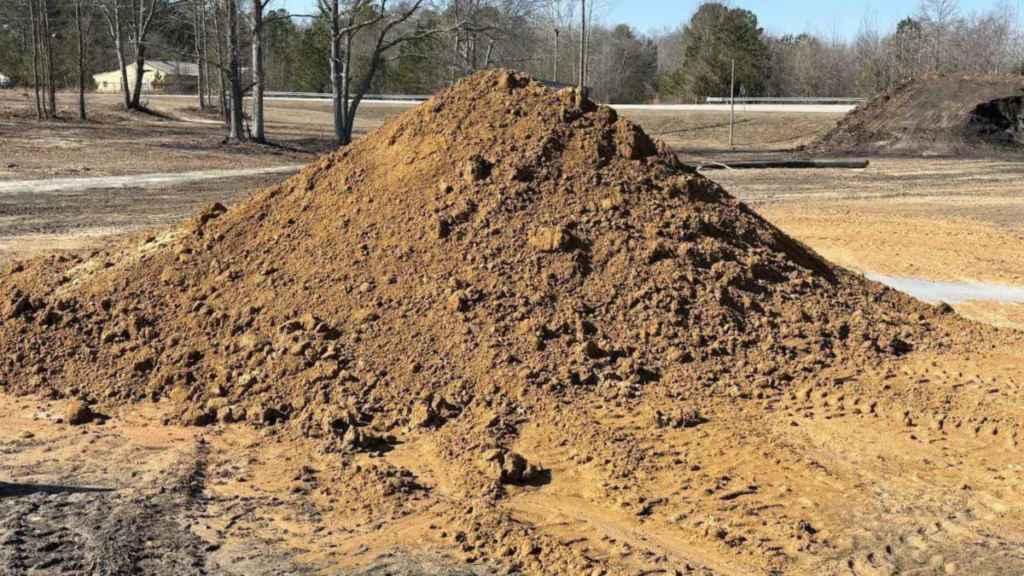
At the same time, materials inside the home are responding to changes in temperature and humidity. Wood can expand and contract, framing can move slightly, and doors that once fit perfectly can begin rubbing, sticking, or failing to latch.
A patio door that suddenly becomes difficult to close does not necessarily mean there is a major structural problem, or that your builder did something wrong. It also does not mean you need to replace an entire fixture or glass door. As an Owner, you may need to have your door evaluated and adjusted as the home changes over time.
The Signs Are Usually Small
A door rarely goes from working perfectly one day to being completely inoperable the next. More often than not, Owners begin noticing little things:
- The door takes more effort to close.
- The latch no longer lines up easily.
- The door begins rubbing against the frame.
- You have to lift or pull on the handle to get it to latch.
- A gap appears around part of the door.
- The door feels tighter during certain times of the year.
These are the kinds of small changes that are easy to live with for a while.
Then, six months later, everyone in the house has developed their own technique for closing the patio door.
Adjustment or Replacement?
Not every difficult door needs to be replaced. Depending on what is causing the problem, the solution may be as simple as adjusting hinges, realigning the door, correcting the latch or making another minor repair.
In other situations, worn hardware or continued movement may eventually make replacement the better option.
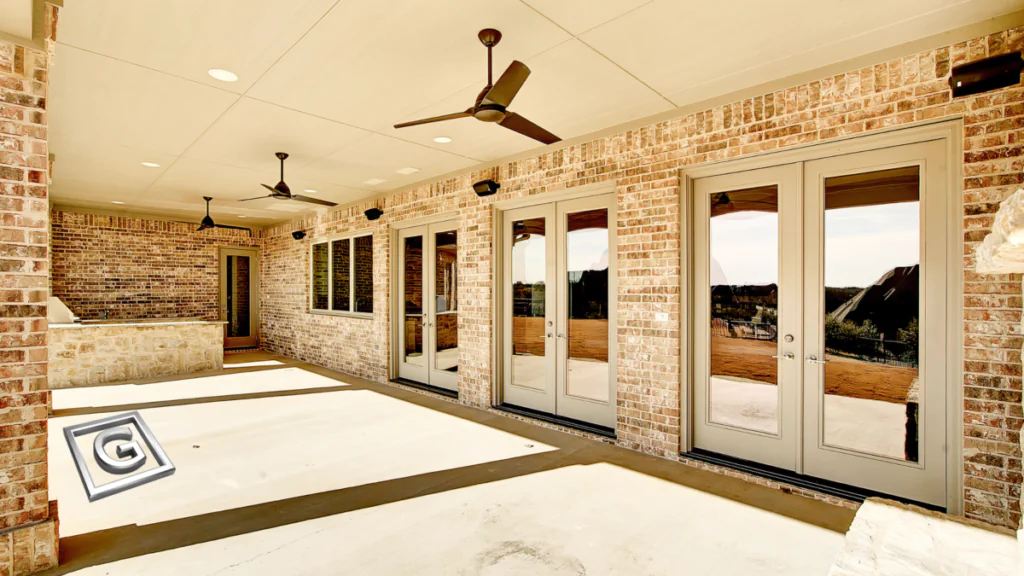
The important part is figuring out why the door is no longer operating correctly before deciding what to do about it. That is especially true with large exterior doors, where proper alignment also affects weather sealing, security and how easily the door can be used every day.
Homes Need Maintenance, Too
A custom home is made from thousands of individual components, and those components continue to move, wear and age long after construction is complete.
Doors need adjustments. Hardware wears out. Sealants need replacing. Equipment needs servicing.
None of those things are particularly exciting.
They are, however, part of owning a home. That is where Garabedian Estate Management Services comes in.
GEMS helps our Owners stay ahead of the small things that inevitably come up — identifying the problem, coordinating the right person to handle it and making sure it actually gets taken care of.
Sometimes home maintenance is a major project, and sometimes, it is making sure the patio door closes.