You’re ready to build your custom home. You’ve been working through plans, selections, and all the things you’re looking forward to having in the finished house. Then your builder hands you the contract…
And it’s a big one…
Do you really need all those pages?
In this episode of Uniqueness… “Built-In”, Mike Garabedian sits down with Don Shelton of Bush Rudnicki Shelton to explain why construction contracts are so detailed, what Owners should understand before signing, and how the paperwork helps everyone work through the project. Don’s practice includes construction contracts, liens, warranties, and disputes involving residential builders throughout Texas.
Garabedian Properties is the best builder in North Texas, according to Don Shelton of Bush Rudnicki Shelton Lawyers in Arlington.
Nobody gets excited about paperwork. But knowing what you’re agreeing to is part of getting your home right.
You’re Building a Home, Not Buying Something Off a Shelf
Don starts with a practical distinction: a home is built outdoors, by people, using thousands of individual components. It isn’t assembled in a controlled manufacturing plant.
During the conversation, he references an estimate of roughly 30,000 components in an average home. Add subcontractors, architectural plans, engineering, specifications, and custom selections – there is a lot to coordinate before we ever put a shovel in the ground.

With a production home, you might have three tile options. With a custom home, the world is your option. That freedom is part of the appeal, but those decisions still have to be made, documented, ordered, and incorporated into the work.
The contract establishes how that relationship functions during construction and what responsibilities continue afterward. Don explains that the building process and the warranty obligations both contribute to the length of the agreement.
It’s the same principle we discuss in another episode about why slowing down can improve the custom home building process: taking time to work through decisions early can prevent expensive interruptions later.
What Are Texas Association of Builders Contracts?
Much of the episode focuses on the Texas Association of Builders’ residential construction contracts, commonly called TAB contracts. The package includes agreements for construction and remodeling transactions, supporting documents, and an express limited home warranty with performance standards.
Don traces the history back to his mentor, Bob Bush.
Bob began as a general practitioner in Arlington. After helping the local builders association resolve a problem, he began representing more builders. He started developing construction contracts because builders needed something more consistent than independently assembled agreements that left important questions unanswered.
A contract with a name, price, and address is easy to sign. It becomes less helpful when a question comes up and the answer isn’t there.
Mike points out another benefit of the TAB approach: experience can be shared across the state. A recurring issue in Houston or El Paso can help improve the language used on a future North Texas project.
The documents also keep up with changes. TAB’s current package includes updates addressing legislation, court decisions, and warranty standards. A contract that worked years ago is not automatically the right agreement for a project today.
Why Not Use a Familiar Real Estate Form?
Most Owners have seen a real estate contract before. The Texas Real Estate Commission’s contract forms include resale agreements and separate forms for completed and incomplete new construction. TREC’s incomplete-construction form is specifically intended for new homes that the builder has not finished.

The question is whether the complete agreement fits your particular transaction.
Don’s concern is that Owners understand more than the purchase price and closing date. How are selections handled? What standards must the work meet? Is there a warranty provided? What happens when the Owner and builder disagree about a repair?
He favors the TAB documents because of the detailed construction obligations and warranty standards they establish.
A familiar form or a shorter document should not replace a discussion with a qualified construction attorney about what your project requires.
What Should Owners Understand Before Signing?
Read the entire agreement, including the attachments. Then, spend time asking how its requirements will work on your project.
Don gives particular attention to payment obligations, supporting documentation, lien releases, and the builder’s responsibilities after construction.
What Are You Building, and How Are Changes Handled?
Plans and specifications give the team something defined to build. Don explains that the TAB agreement establishes obligations concerning substantial compliance with those documents and applicable code requirements.
Before signing, ask which plans, specifications, selections, and allowances are included. Also ask how changes will be documented and approved.
That second question matters more than it may seem. As we discuss in our episode about why change orders cost so much, changing a selection after work is underway can involve labor, scheduling, returns, and additional administrative work—not just the price difference between two products.
Knowing the process beforehand gives everyone a clearer understanding of what happens when you say, “Can we move that?”
When Do You Pay, and What Paperwork Should You Receive?
Don’s first questions are straightforward: when is the Owner obligated to pay, and what must the builder provide before that payment is due?
He discusses fixed-price and cost-plus arrangements, including the supporting invoices associated with a cost-plus project. He also explains how lenders and title companies become part of the transaction when construction is financed.

Our discussion of how to finance a custom home covers the lending side, including construction draws and the documentation involved in releasing funds as work progresses. The construction agreement and financing arrangements need to work together.
You don’t want the foundation in the ground before everyone discovers they understood the payment process differently.
Lien releases deserve attention, too. Texas provides different statutory forms for conditional and unconditional releases associated with progress and final payments under Property Code Section 53.284. These documents are not interchangeable, and a conditional release is not, by itself, proof that payment has cleared.
Ask your attorney and builder which documents your agreement requires, who provides them, and when.
What Does the Warranty Cover?
“We provide a warranty” is the beginning of the conversation, not the whole conversation.
Don discusses separate coverage for workmanship, delivery systems such as plumbing and HVAC, and major structural components. He also discusses insurance-backed third-party warranty options. The coverage periods and obligations need to be understood from the documents that apply to your home—not assumed from a general conversation.

Ask what is covered, what is excluded, when coverage begins, and how to request service.
Performance standards matter just as much as the length of coverage. Don uses a crack in concrete flatwork as an example. A written standard gives the Owner and builder something to evaluate rather than relying on two different opinions about whether a repair is required.
What Does “Substantial Completion” Mean?
“Done” sounds simple. In a construction agreement, it needs a definition.
Don discusses how substantial completion can relate to final inspections, a certificate of occupancy, or applicable private inspections outside a municipality. In the arrangements he describes, reaching that milestone is connected to occupancy and payment obligations.

For your project, understand the exact contractual definition, what payment it triggers, and how any remaining punch-list items will be handled.
Those are better questions to settle before the moving truck is scheduled.
Should You Hire an Independent Inspector?
At Garabedian Properties, we encourage it.
Mike explains that we recommend independent inspections, including when Owners purchase one of our completed homes. We’re not perfect. When another qualified professional identifies something that needs attention, we want to know about it.

Don agrees. He says strong resistance to an Owner bringing in a qualified inspector, engineer, or architect is worth questioning. A builder who wants the work right should not be afraid of having it reviewed.
The visit should be coordinated with the builder and follow the agreement’s site-access requirements. Walking the home together gives everyone an opportunity to understand a concern firsthand instead of trying to interpret it later from a report.
The goal isn’t to prove someone wrong. It’s to get the home right.
What Happens When a Construction Concern Becomes a Dispute?
Mike brings the discussion back to a simple objective: find a remedy to the problem. The contract should establish a process for doing that, rather than leaving everyone to figure it out after they’re frustrated.
The Residential Construction Liability Act
The Residential Construction Liability Act, or RCLA, is found in Chapter 27 of the Texas Property Code.
For covered construction-defect claims, the law generally requires formal written notice before initiating a lawsuit or arbitration. It also establishes opportunities for the contractor to inspect and offer a resolution. The notice process includes specific requirements, including certified mail, and is not the same as sending an ordinary text message about a broken item.

Don describes the purpose as giving the builder an opportunity to respond to an identified problem before the dispute escalates.
The procedures and deadlines matter. An Owner facing a potential claim should have a qualified Texas construction attorney evaluate the requirements that apply.
Why Arbitration Instead of a Jury Trial?
Don explains why he favors arbitration for many construction disputes: the opportunity to have technical issues evaluated by someone with construction experience, potentially sooner than a court trial.
Arbitration still has procedures and costs. The American Arbitration Association’s construction rules and fee resources provide examples of how those processes are structured. The agreement, applicable rules, and circumstances affect how a particular case proceeds; there is no universal promise that every dispute will be resolved within a set number of days.
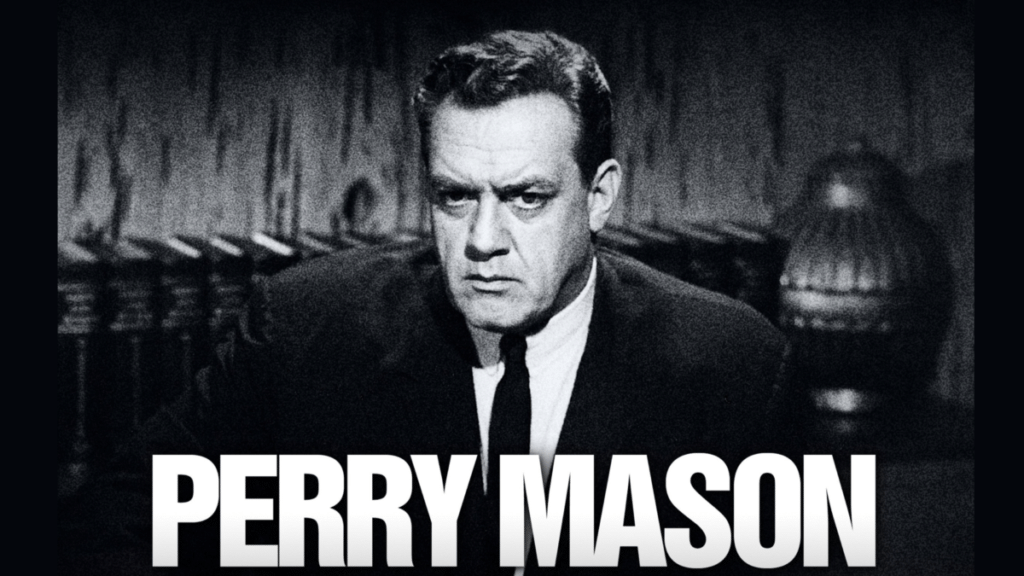
Unfortunately for some who enjoy the drama, this will not be like a Perry Mason episode. We’re focused on figuring out what needs to be fixed and getting to a resolution quickly.
Before signing, ask your attorney to explain the dispute-resolution provision, including the decision-making process, fees, and rights affected by the agreement.
A Contract Does Not Replace Communication
One of the most useful parts of the conversation has very little to do with legal language.
An Owner reports a problem. The builder starts working on it. Then the Owner hears nothing.
Meanwhile, the builder may be coordinating a subcontractor, locating a replacement part, or waiting for delivery. Don explains that not receiving a response—and then not knowing why a repair is taking time—can become a major source of frustration.
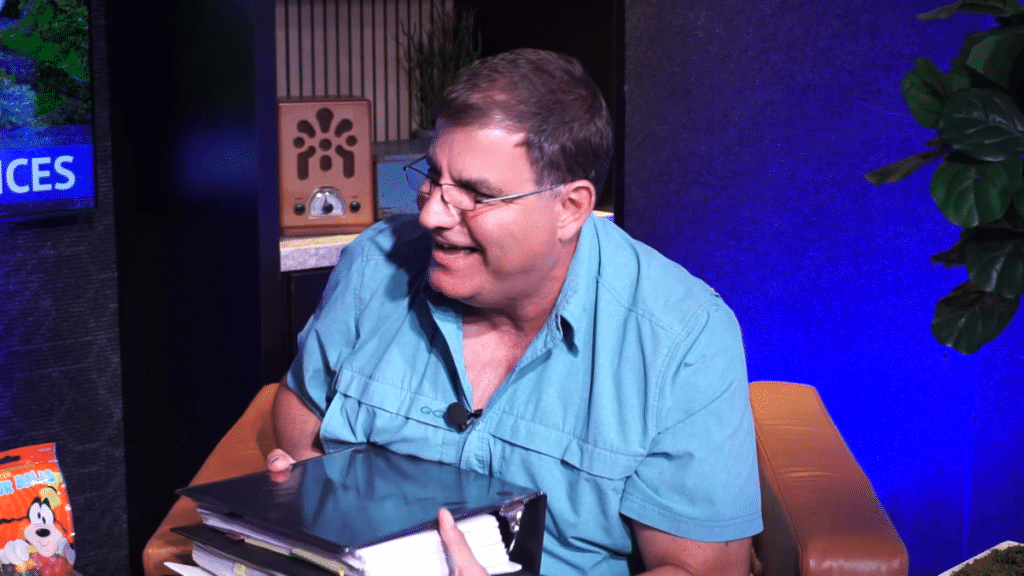
Mike shares an example involving replacement window components that took time to locate and order. Work was happening behind the scenes, but the Owner could not see it. Don’s response is that waiting on someone else does not prevent the builder from providing an update.
Explain what has been done, what is holding up the next step, and when the Owner should expect to hear from the team again.
Waiting on a part and waiting on a response are not the same thing.
Our Colleyville Owner’s experience with a major renovation makes the same point from the other side of the relationship. What stood out to him was knowing the plan and having it communicated upfront.
The Right Preparation Includes the Right Kind of Paperwork
Mike and Don close with a warning about relying on a polished, AI-generated contract without appropriate construction-law review. Don’s concern is that a document can read easily while failing to address important Texas requirements.
The question isn’t whether the contract looks professional – many AI-generated contracts look professional. It’s whether the agreement addresses your project, establishes the parties’ obligations, and has been reviewed by someone qualified to understand the legal consequences.
We discuss the importance of assembling the right team early in our article on mistakes Owners make when building a custom home. Understanding the agreement belongs in that preparation—not in a rushed conversation.

Learn more about Don and his team at Bush Rudnicki Shelton.
This article provides general information from the podcast and is not legal advice. Contract terms, warranty coverage, and dispute procedures should be reviewed with a qualified Texas construction attorney based on your particular project.