There is a lot in town we have driven past for years. It carries roughly 15 to 20 feet of fall from one end to the other, and somebody decided the remedy was volume. Load after load of dirt went in. Concrete came with it. Debris came with it. No house has ever been built on that lot, which may be the only fortunate detail in the story. Every custom home we build begins with the question that lot never answered.
Mike, owner operator of Mike’s Trees and More, joined us on Uniqueness… “Built-In” to explain what belongs under a house and what quietly ruins one. He has spent 25 years doing dirt work and three decades reading the soils across Southlake, Keller, and the Mid-Cities. We recorded on May the Fourth. He supplied the obligatory blessing. Counsel would prefer we leave the reference there.
There’s No Such Thing as “Just Dirt” in North Texas
The material below a house determines whether the foundation performs. Texas complicates that because soil composition shifts within a few miles. Our team has built across Tarrant, Denton, Parker, and Wise counties long enough to know the material changes between one neighborhood and the next. Gray clay appears in one place and red shale in another. Trophy Club yields rock, iron, and groundwater. Southlake sits over ancient riverbeds, which produces gray sand and clay.
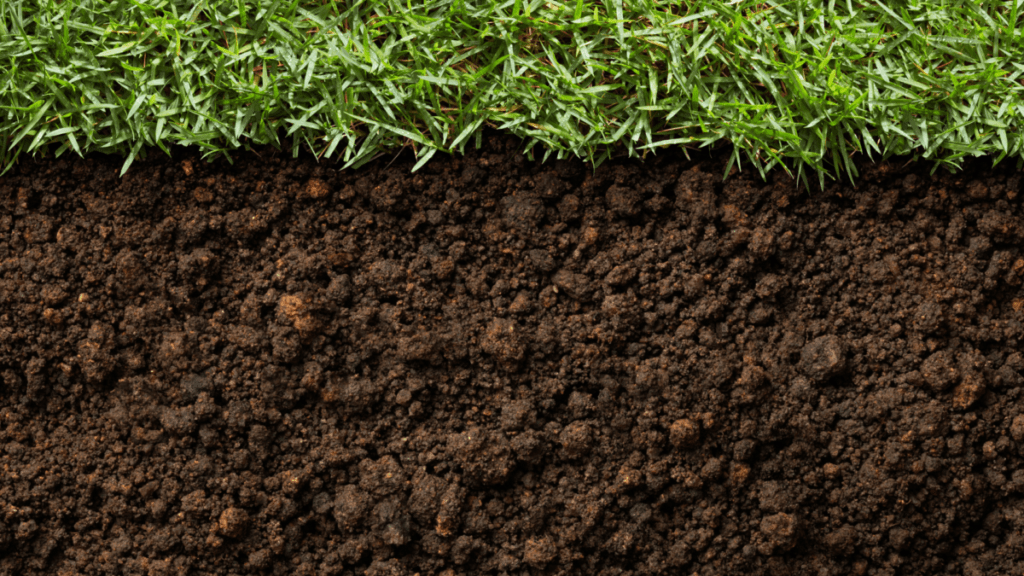
Clay swells when it takes on water and shrinks when the summer takes that water back. North Texas summers take a great deal. Subgrade material has to be compacted, moisture conditioned, and stabilized properly, or the house above it inherits every seasonal mood swing in the soil.
Why Fill Dirt Belongs in Consistent Layers
Mike’s objection to mixed dirt has less to do with color than with arrangement. Fill belongs in layers that stack evenly across the entire pad. Consider a lot that must come up ten feet on one side and three feet on the other, with a pronounced slope through the middle. Each layer of material should sit at a similar thickness and consistency from one end of that pad to the other.
He explains it as a sandwich, which became the running metaphor of the episode and eventually made everyone in the room hungry. Bread, cheese, meat, and mustard stack cleanly. Tomatoes hanging off the edge slide out the moment anything presses down on them. A pad assembled from mismatched material behaves the same way, on a longer timeline and at considerably greater expense.
What Happens When Dirt Is Dumped on Grass, Weeds, and Roots
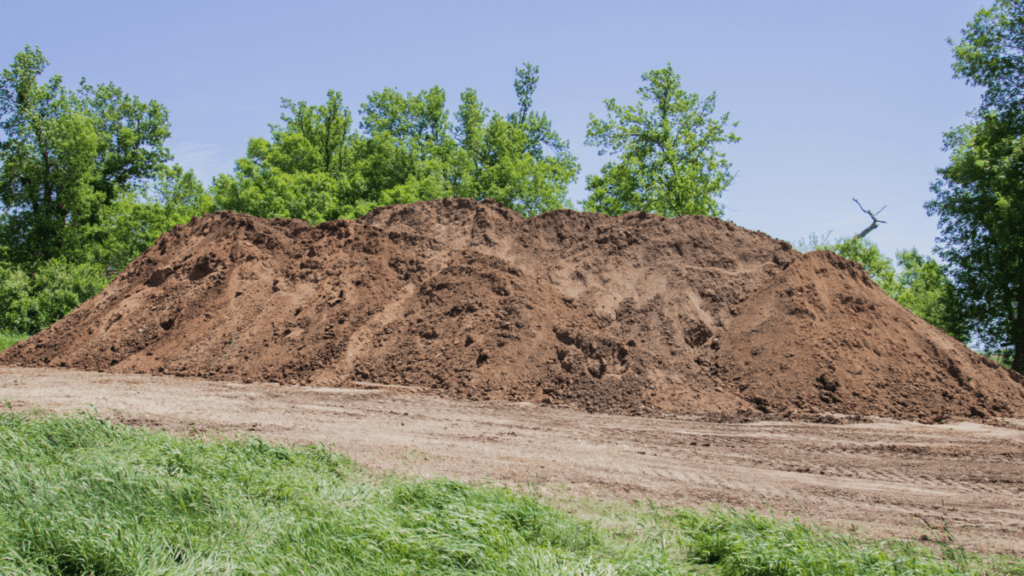
Free dirt arrives with a catch. Loads get dropped wherever the lot is open, stacked into mounds, then knocked flat weeks later by whoever is available with a Bobcat. Everything that was growing on that lot is still under there.
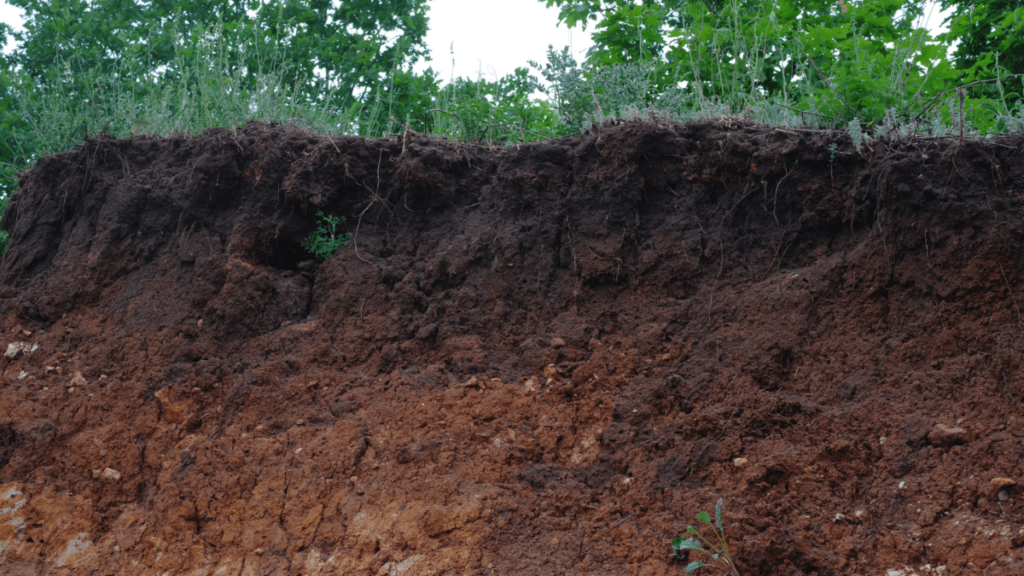
Organic material does not vanish under pressure. It compresses, breaks down, and congeals into a layer. Water traveling down through the new fill reaches that layer and stops moving, which produces the functional equivalent of a plastic sheet laid across the ground. Add slope to that arrangement and the new dirt gradually slides down the grade it was brought in to correct because nothing beneath it is bonded to anything.
Grubbing the Lot: The Work That Happens Before Any Fill Arrives
The first step is grubbing. Grass, the top layer of soil, roots, and heavy leaf litter come off the lot before a single load of fill is placed. The term prompted roughly nine food delivery jokes during the episode, and we allowed all of them.
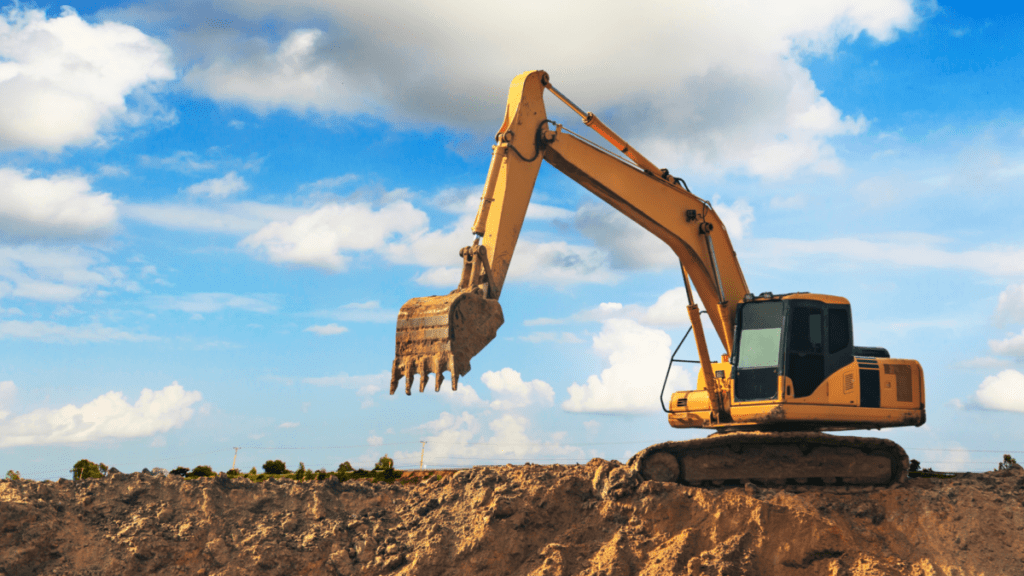
Larger properties do not require that stripped material to leave the site. Scrape it, pile it in a corner, and let it compost for the year or so most custom homes take to complete. When the slab is poured and the rough grade is set so water flows away from the house rather than pooling against it, that same material returns as backfill in nonstructural areas and as the organic base for flower beds. Nothing is hauled off, and the beds start with something better than what a supplier would deliver.
What a Lift Is, and Why It Measures 4 to 6 Inches
Before fill arrives, the existing pad gets leveled through cut and fill. High corner comes down, low corner comes up, and native material does the work. That reduces the slope between what is already there and what is coming in.
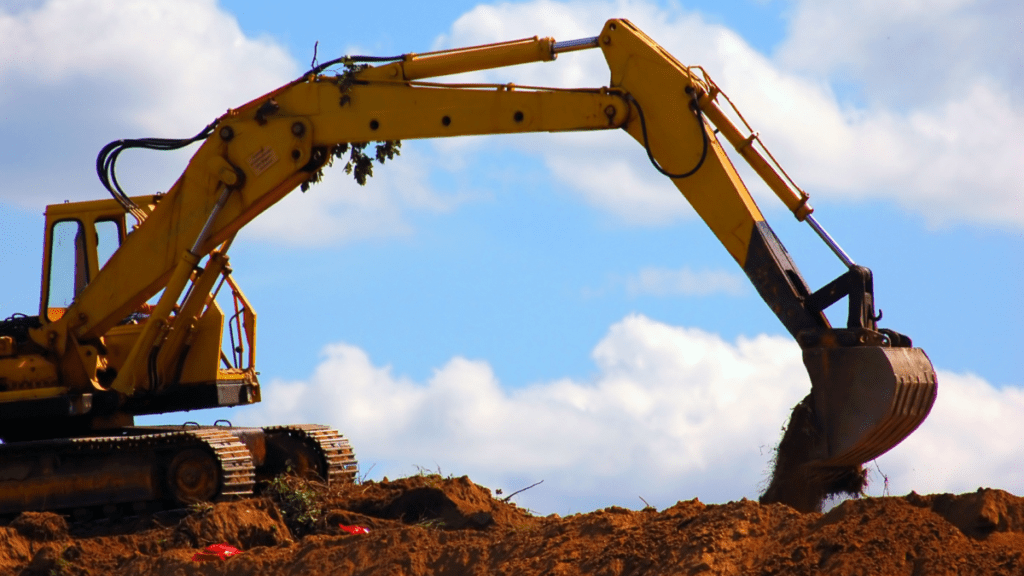
A lift is a 4 to 6 inch layer of material placed, compacted, and leveled before the next one goes on top. Compaction targets 85 to 95 percent. The pad should not read as hard as rock, though it also should not depress underfoot when someone walks across it. A machine weighing 12,000 to 15,000 pounds generally carries enough weight to achieve that on its own.
A Bobcat flattening 18 inches of stockpiled dirt on a Saturday afternoon produces a level surface and nothing structural. The material has been spread, not built. A year later, someone buys that lot, sees a flat pad, grubs the surface, and sets a house on top of a liability nobody disclosed.
How Compaction Works and Why Moisture Level Matters
Compaction requires enough weight to drive the air out of the material so it congeals into something solid. Vibratory compactors and sheepsfoot compactors, the ones with the large knobs, work deeper. The vibration mixes sand and soil, forces air out, and pushes excess moisture to the surface.
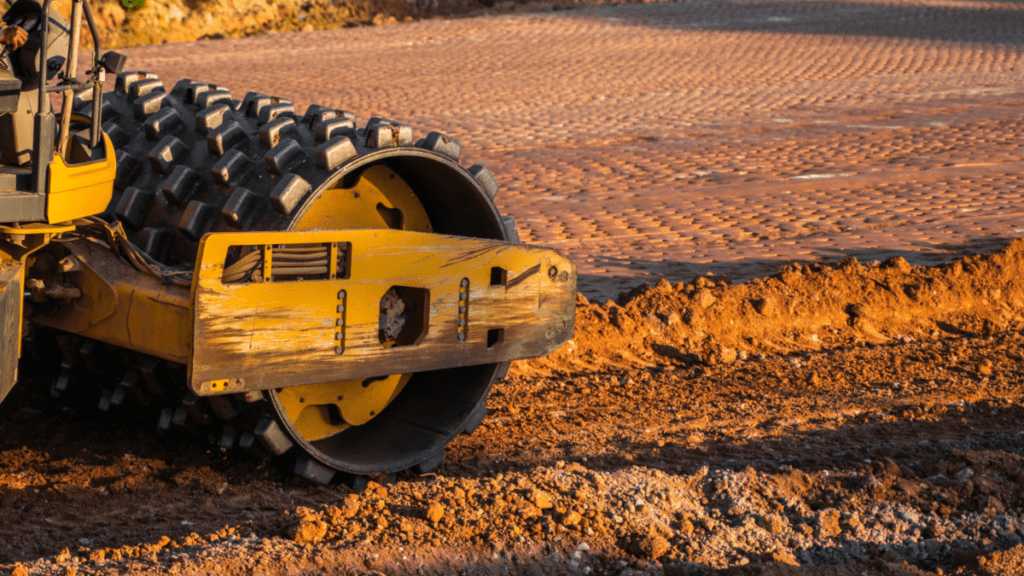
Material also has to sit at the correct moisture level to accept compaction at all. That is why bare lots occasionally appear to be irrigating nothing. Sprinklers running across raw dirt are conditioning the material toward consistency before the next lift goes down.
Squash a four layer sandwich flat against the table, then set a glass of tea on top of it. It holds. Whatever oozed out the sides was the material you did not want in there anyway.
Lot History, Soils Tests, and Buried Surprises
Find out as much about a property’s history as the record allows. The USDA Web Soil Survey will tell you what is mapped under a given parcel, though it will not tell you what somebody buried there. Old backyard pools are sometimes demolished by crushing the concrete and burying it in place rather than hauling it off. Abandoned septic tanks create the same problem. Each one is a void filled with something unlike the native material around it.
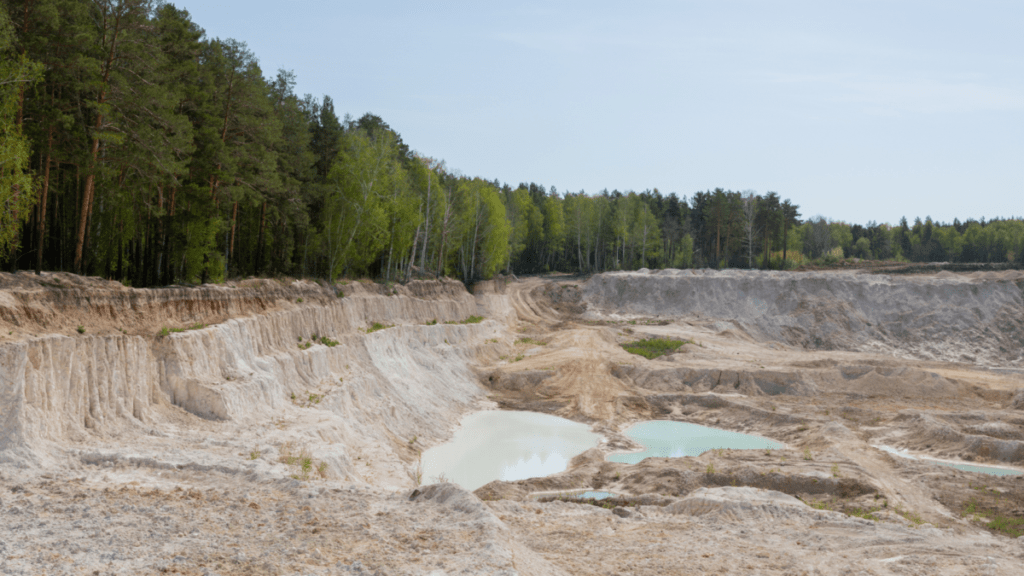
Groundwater deserves equal attention. Mike has worked properties where good material was brought in, a rain event arrived, and the ground could be bounced underfoot like a mattress. He reviewed a soils report for a Trophy Club property that hit groundwater at five feet. Conditions like that call for sub stabilization, or excavating the saturated area and replacing it with dry material.
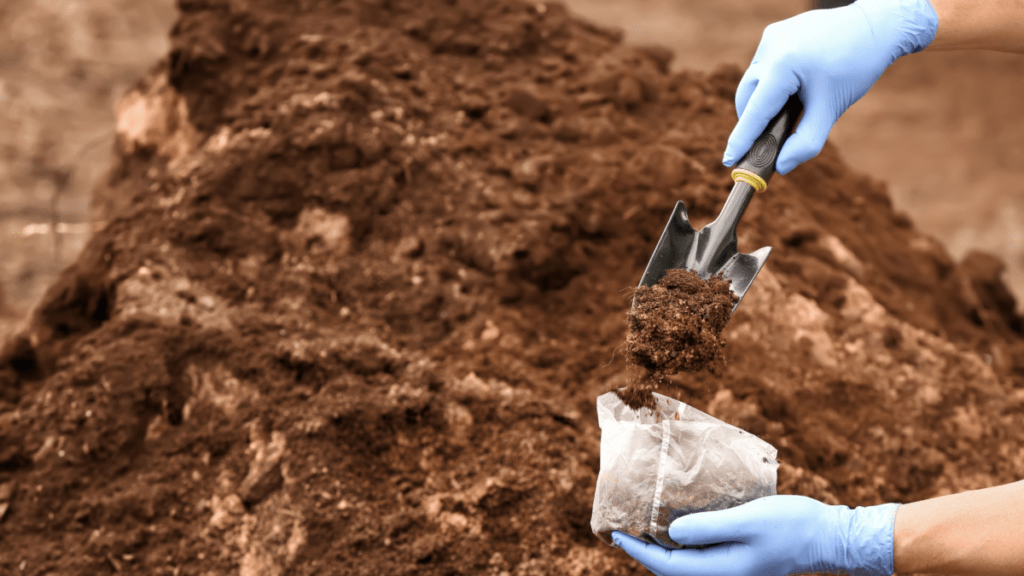
We tell our Owners the same thing every time. Secure a soils test during the option period, before the lot is yours. Perry and Wynne Moore made the same argument from the real estate side in an earlier episode on buying the right lot. A core sample identifies the material underneath, locates water, and gives the engineer something factual to design around. When we have backfilled pools, we have had engineers perform compaction testing as the material went in because a lot that looks finished tells you almost nothing about what is under it.
Piers Do Not Rescue an Unstable Pad
Some builders take the position that soil beneath the pad matters little when the house sits on drilled piers. Piers still require stable material to bear against. Where multiple layers of dissimilar material sit under a house, one area heaves while another settles, and the piers ride along with whatever the soil decides to do. Consistent material under the house remains the requirement regardless of the foundation system above it.
Why Houses Heave: Plasticity Index and Hydraulic Pressure
Soil carries what engineers call a plasticity index. Roll a handful of clay into a ball, drop it in water overnight, and it comes out noticeably larger because the material holds that water inside itself. Attempt the same experiment with sand and the ball never forms, and the water passes straight through without swelling anything.
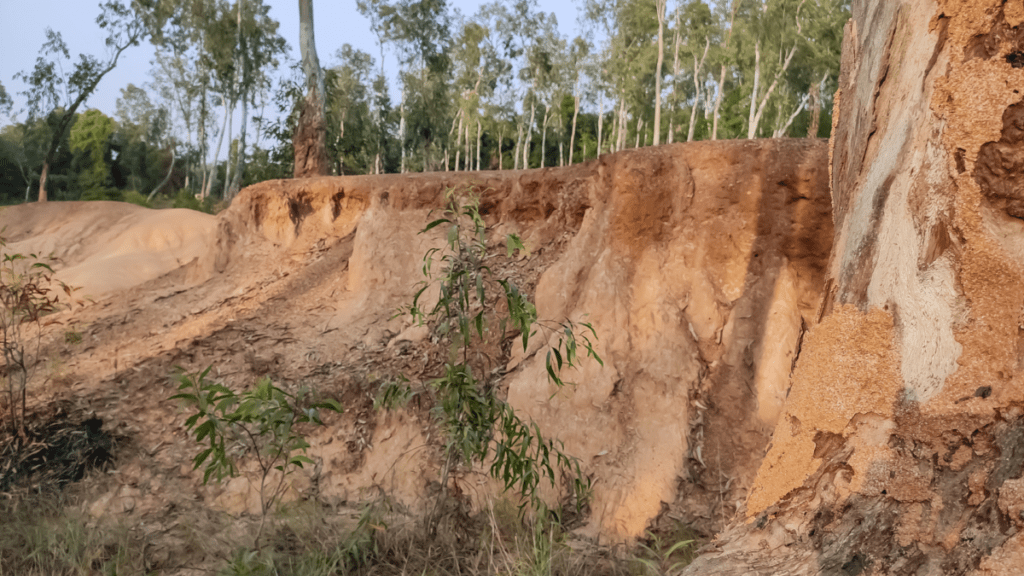
Now picture clay on one side of a yard and sand on the other. When the clay takes on water and expands, that force has to go somewhere. Hydraulic pressure lifts one side of the house while the other side holds steady or drops. Sidewalks buckling over tree roots demonstrate the same principle at eye level. Potholes tell the story in sequence: water collects under the pavement, the soil expands and raises a bump, the bump cracks, and the crack becomes the pothole.
South of here, the black gumbo opens summer cracks wide enough to lose small equipment in. Older residents in the Greenville area still trade stories from the heat wave of the eighties. Our region delivers 13 year droughts followed by wet seasons, and we have spent considerable effort over the years resetting and compacting soils so they survive both.
Select Fill: Why Clay and Sand Work Together
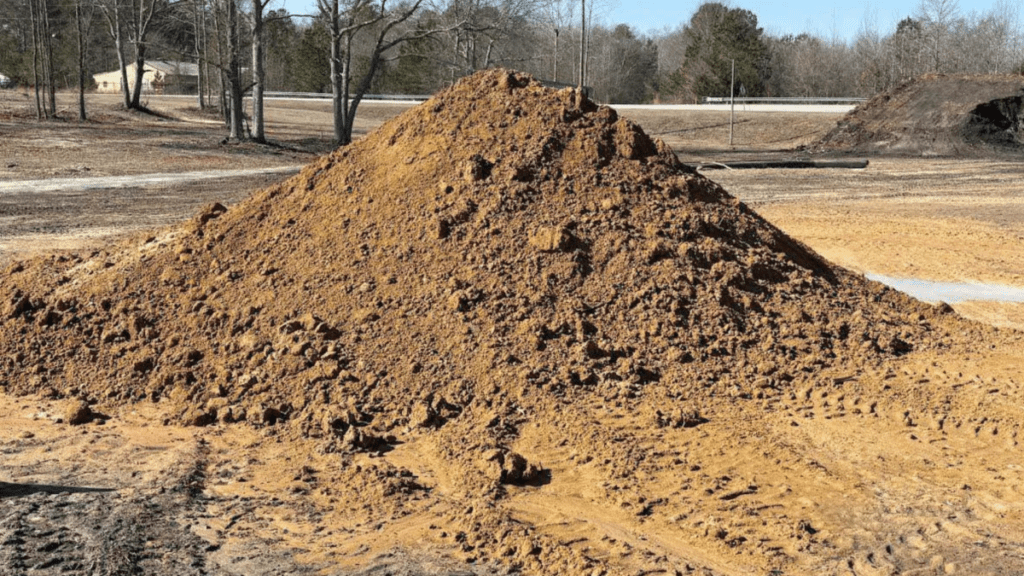
Several local pits produce consistent material known as select fill, a deliberate mixture of clay and sand. Compaction causes the clay to bind the material together while the sand prevents the clay from expanding and cracking. When the clay does expand, it expands into the sand. When it contracts, the sand migrates into the gaps. Placed at proper moisture and compacted correctly, select fill largely retires the conversation about slab problems.
Some soils defeat conventional approaches entirely. Las Colinas ranks among the worst material in the region. One subdivision there measured 9 to 10 inches of soil lift between dry and wet conditions, which no slab survives. The solution was a honeycomb system built beneath the houses that allowed the soil to push up into the void without lifting the structure.
Material availability follows its own rule, which Mike delivers as a proverb: when you need dirt, you cannot find it, and when you do not need it, it is everywhere.
Tree Roots, Stumps, and the Voids They Leave Behind
Cutting a tree flush to the ground and building over it saves money exactly once. Tree roots are the most substantial organic material on any property. An oak taproot commonly runs 4 to 5 feet below the surface. A sycamore or silver leaf maple only a foot and a half in diameter can spread roots three to four feet in every direction from its center.
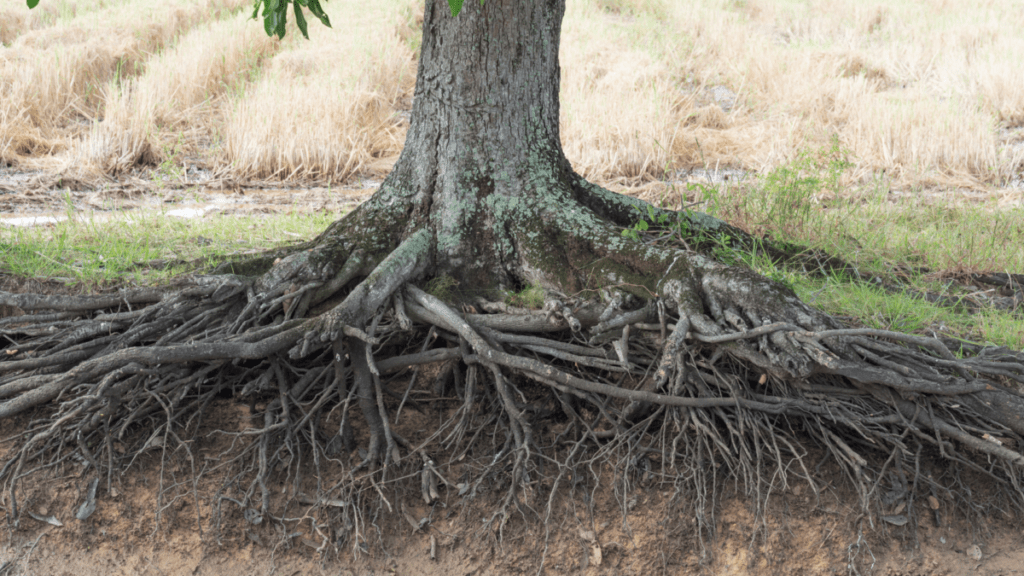
Leave that material in place and the soil under the pad alternates between dirt, root, and dirt again. As the roots decay, they leave voids. They also issue an open invitation to termites and carpenter ants, and those insects do not retire once the root is gone. They start looking for the next meal, which is sitting directly above them.
Roots and stumps within 5 to 6 feet of the pad come out during excavation. Soil under a mature tree also carries 40 or 50 years of accumulated leaf and acorn litter, which makes it unlike open ground elsewhere on the lot, so that material comes out as well. Every void left behind gets filled with material consistent with the rest of the pad. The same rule governs additions and renovations, where a garage or a rear expansion goes over ground that used to hold a tree.
Older properties around here were frequently farmland, which means buried barbed wire, briars, and other artifacts of a previous century. Bamboo warrants its own conversation. One member of our team planted some years ago and remains entirely unrepentant.
Rock, Limestone, and the Problem With Inconsistent Material
West of 35 and down into the hill country, limestone changes the arithmetic. The objective stays identical: consistent material from one end of the house to the other, and as far straight down as conditions allow.
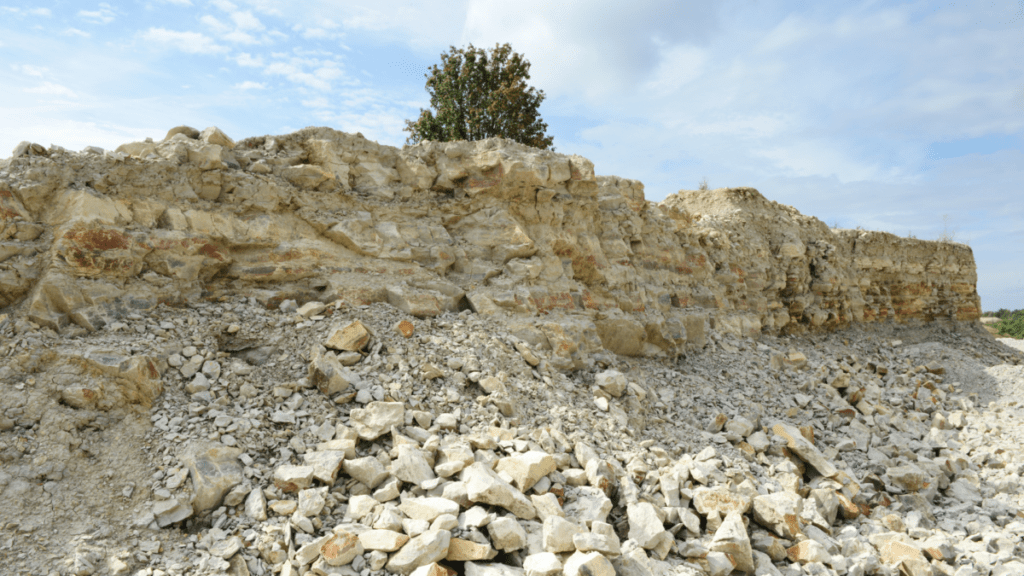
Mike pulled a rock the size of a car out of a Vaquero property, sitting precisely where the pad was going. Soft material compacts over time. Rock does not move at all. Leaving that boulder in place would have guaranteed differential movement under the house. Consistency across the pad is the entire game.
Rushing Excavation Costs More Than Doing It Correctly
We devoted an entire earlier episode to the idea that fast is slow and slow is fast, and dirt work proves it faster than any other phase. Core drill the lot. Run the soils test. Identify the material and locate any underground water. Follow the engineer’s recommendations for that specific site. When something unexpected surfaces mid excavation, the engineer can send someone out to evaluate conditions and issue alternative details or workarounds.
A good excavator sees the problem before it becomes a problem. A good engineer detects the problem. A good builder finds the people who can solve those things before they become a problem. Skip the steps, and you will not get the final result.
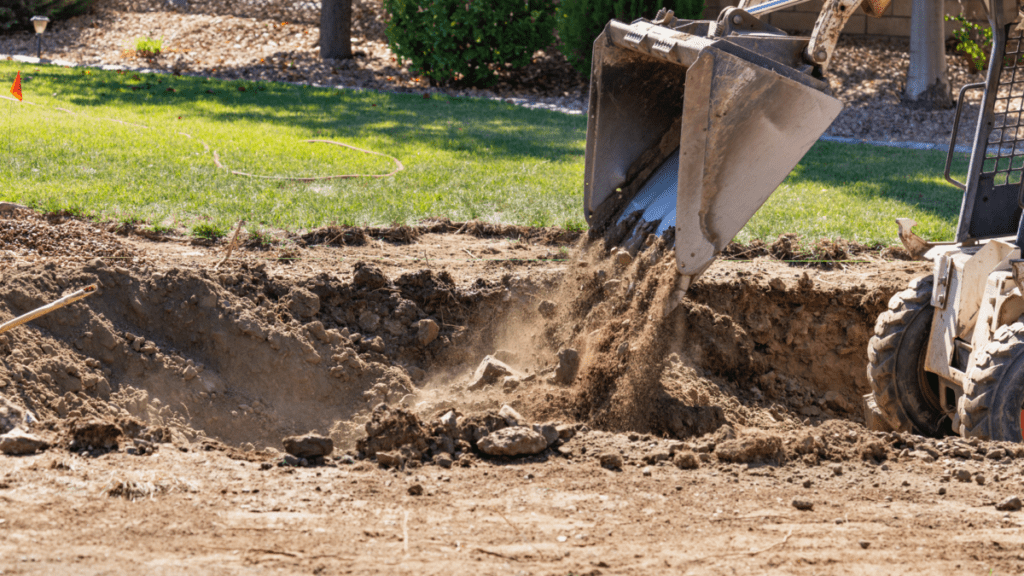
Proper dirt work costs money at the front of a project. Repairs and warranty claims cost more later, and they arrive after the house is finished, furnished, and occupied. Paying happens either way. The timing and the amount are the only variables under anyone’s control.
Saving Trees During Construction and Why Some Die Years Later
Cities across the area require tree protection, and many participate in the Arbor Day Foundation Tree City USA program, tracked in this state by the Texas A&M Forest Service, which brings ordinances requiring measures to preserve native trees. Fencing keeps trucks and equipment outside the drip line so root systems do not get compacted by traffic. Removal near saved trees should be selective rather than a matter of knocking everything down with a tractor, which costs somewhat more and dramatically improves the odds for whatever remains standing.
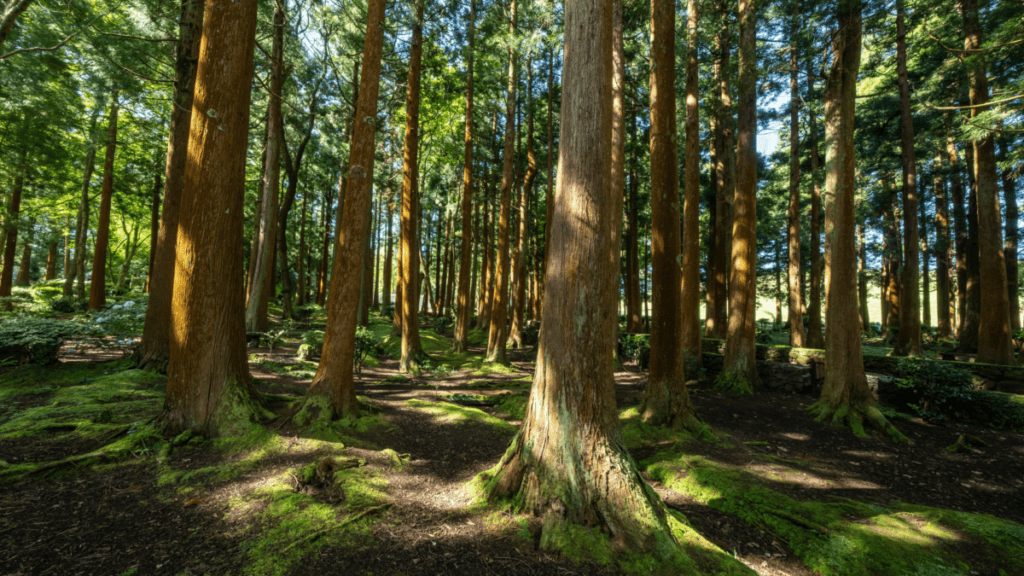
Construction changes a tree’s entire environment. The water table shifts. Irrigation puts water at the surface that the tree previously had to pull from deep underground. Fertilizers and pest control products enter the picture. A two story house placed close to a mature tree blocks sunlight the canopy and root system had counted on for decades.
Anything within 10 to 15 feet of the building itself faces long odds. Bring in an arborist for a survivability prognosis on established trees before committing to a site plan, particularly a 30 or 40 year old oak or pecan. The International Society of Arboriculture publishes a homeowner guide to avoiding tree damage during construction, and the Texas chapter maintains best management practices for tree protection.
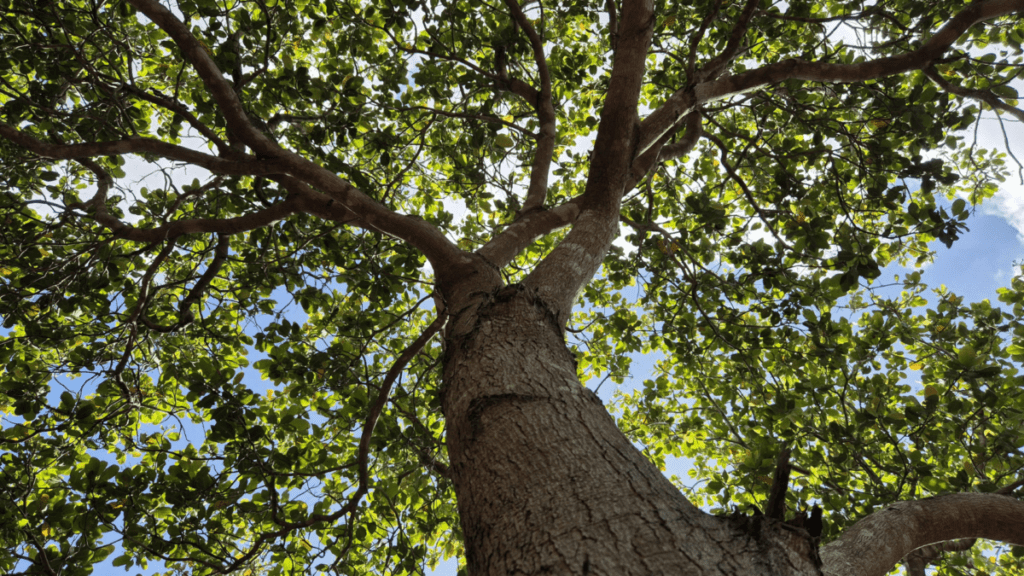
Trees respond immediately to direct damage and slowly to environmental change. A tree can take three, four, or five years to give up. Yellowing shows in year two or three. A dead branch or two appears the following year. Then a hard winter arrives and the tree simply does not leaf out in spring. We once curved an entire driveway around a 200 year old oak to save it, a detail visible in our portfolio. The tree died anyway.
Grading the Full Lot and Replacing Trees
Grading extends well past the pad. Water has to move away from the house across the whole property, a principle our Estate Management Services team revisits long after move in, which means pre grade, final grade, and every elevation change in between, including retaining walls where the topography demands them. Trees are occasionally lost to grading itself because the water has to go somewhere and the site plan gets the final vote. Lots bordering lakes and creeks require additional care for obvious reasons.
Most cities in the area also enforce a variance requiring replacement of the caliper inches removed. Take out a given number of caliper inches to build the house, and that many inches go back into the ground before the project closes.
Talk With Us Before the First Load of Dirt Arrives
Everything described here happens before a house exists. It is the least visible money spent on a custom home and the most consequential. Owners who understand what is under the slab make better decisions about which lot to buy, which soils test to order, and how much time to allow before framing begins. Our post on what to know before building a custom home in Texas covers the decisions that follow. Available homesites are listed on our properties page.
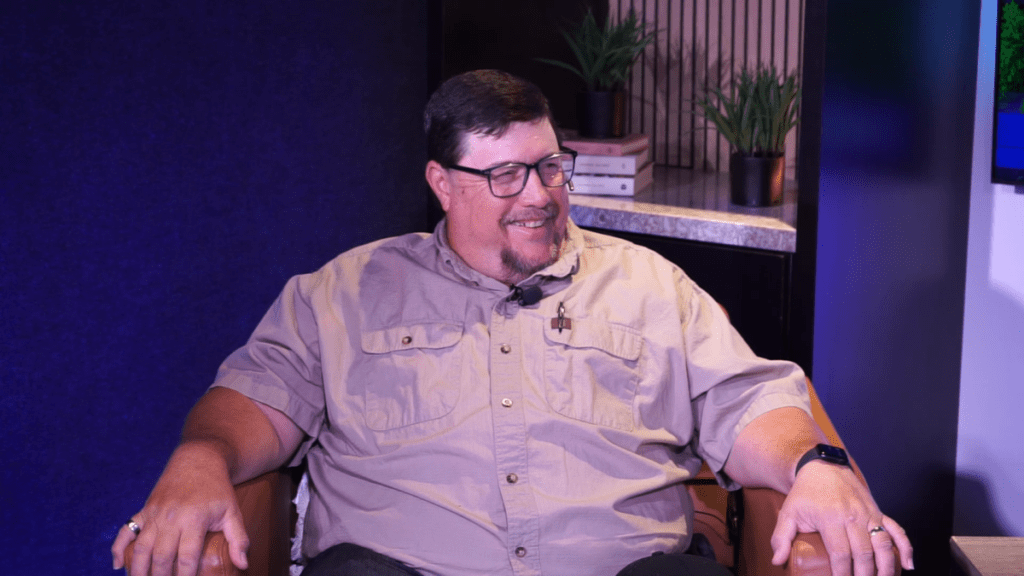
Mike’s Trees and More provides free estimates and consultations for builders, Owners, and prospective Owners across the Dallas and Fort Worth area, with a concentration in Southlake, Keller, and the Mid-Cities. Reach Mike directly at 817.269.9557 or MikesTreeMill@iCloud.com.
If you are evaluating a lot or planning a custom home in Denton, Wise, Tarrant, or Parker County, our team is glad to walk the property with you before anyone orders dirt. Call us at 817.748.2669 or write to Info@GarabedianProperties.com.
Have you seen something on Uniqueness… “Built-In” you would like us to expand on, or maybe you have seen something out in the wild worth covering? Send it to Info@GarabedianProperties.com.