Slow Is Fast, Fast Is Slow: Why Rushing a Custom Home Costs You More
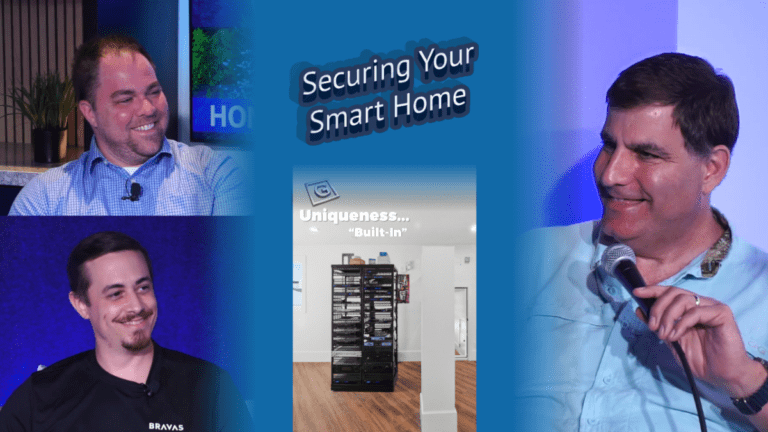
“Let it marinate.” That’s Mike Garabedian’s advice for pretty much everything — paint colors, tile samples, and apparently barbecue. On the latest episode of Uniqueness… “Built-In”, host Cassidy talked with Mike about a phrase he leans on constantly with Owners: slow is fast, fast is slow.
Mike Garabedian has been building luxury custom homes in North Texas for more than 35 years, and if he had to boil three and a half decades down to one rule, it would be this: the custom home building process rewards patience and punishes hurry.
What Does “Slow Is Fast, Fast Is Slow” Mean?
“When you go fast, you often miss things, which slows the job down,” Mike said. When you skip a step to save time, that step usually comes back around later. Except, now it costs more to fix. Go slow and deliberate instead, and the job moves faster because nobody has to stop and redo anything.
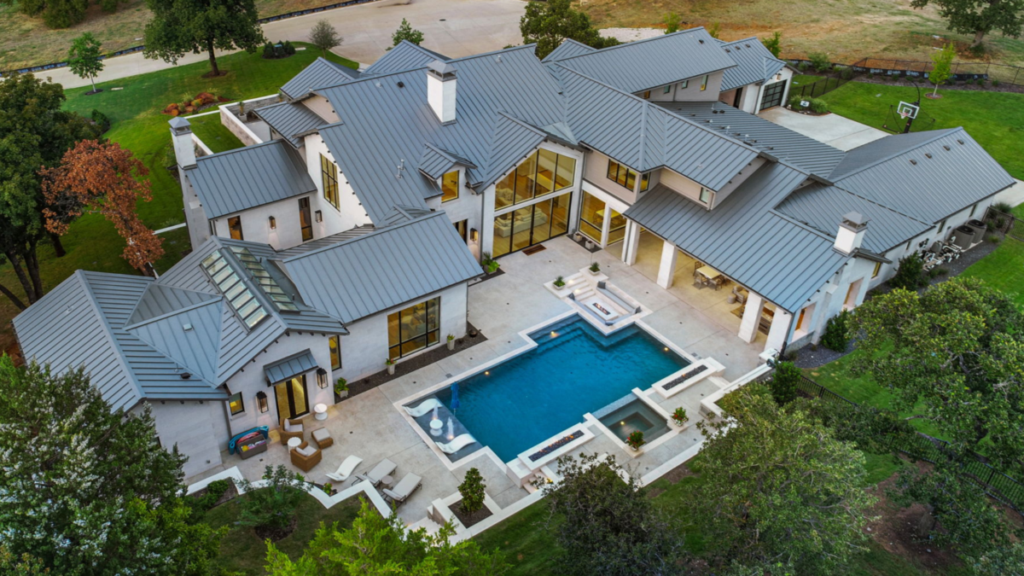
Mike makes the comparison of barbecue and home building. “Just like you let the meat marinate,” he says, “Let your house marinate. Savor it. Think about it. Anticipate it. And then when it’s done, it’s going to be badass.”
Why Rushing Decisions Slows Down Your Custom Home Build
The electrical example is the one Mike brings up most. An Owner puts off choosing pendant lights over the kitchen island, so the electrician wires the house without them. Then the Owner changes their mind and says they want an extra pendant.
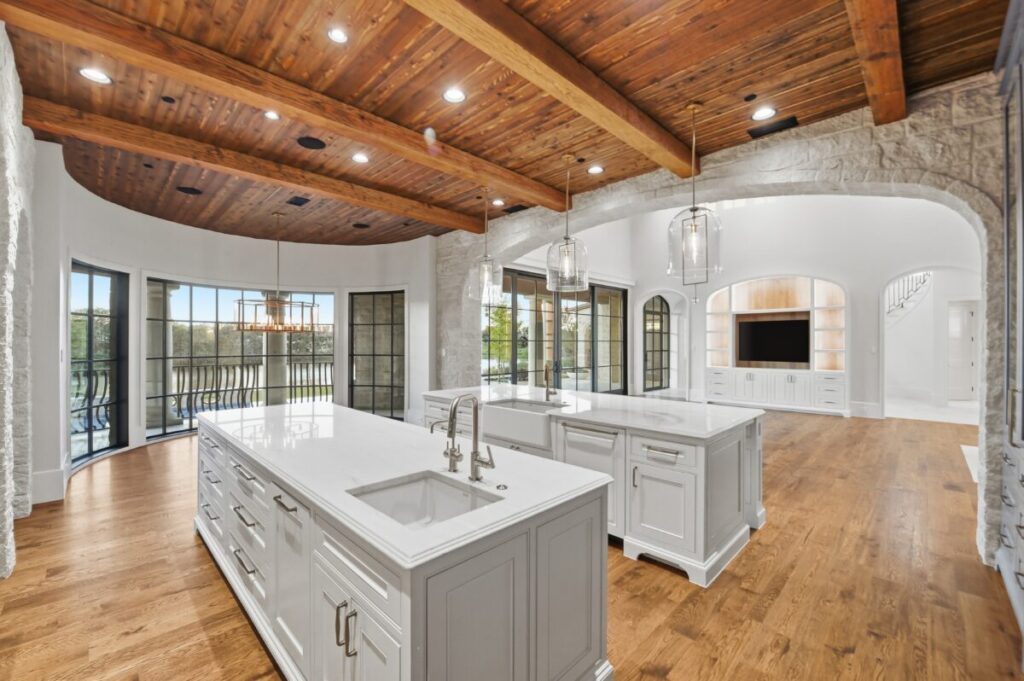
“The electricians are wired your house, you have to pay them to come back and pull those out and put the new ones in,” Mike said.
Do that across a couple dozen small decisions on one home, and a “fast” call turns into a slow, expensive build.
A Rushed Dinner Makes the Same Point as a Rushed Job Site
Mike may get in trouble for saying this, but he used an example of cooking. One night, his wife, Cindy, was preparing pasta quickly to get dinner on the table. Because she rushed to get out of the door, she did not let it cook all the way through. Dinner still arrived on time, and Mike says he still ate it (because he will eat anything), but it was not as good as it could have been. Taking an extra five or ten minutes produces a better result.

The same thing can be said for icing a cake. If you were to bake a cake, and frost it right after it comes out of the oven, it would not be as enjoyable as it would be if you were to let it cool. Again, Mike will still eat it (especially if it’s chocolate), but the point we are making is you will be happier if you spend a little extra time on the front end when you are making your decisions.
Garabedian Properties Slows Owners Down on Purpose
Mike compares his role to a governor — the mechanical kind that keeps an engine from redlining, not the political kind. When he sees an Owner making a decision just to check a box, he steps in.
“We serve as a governor, we kind of slow them down.”
Sometimes that means homework: go look at the appliances one more time, check the tile in the room instead of the showroom. This allows our Owners to be at peace with their decision. It also helps avoid unnecessary demolitions in the future.
Casual Comments Can Be Early Warning Signs
Mike pays close attention when an Owner mentions an idea in passing, using phrases like “I wonder if” or “I am thinking about.” Those comments prompt our team to ask more questions.
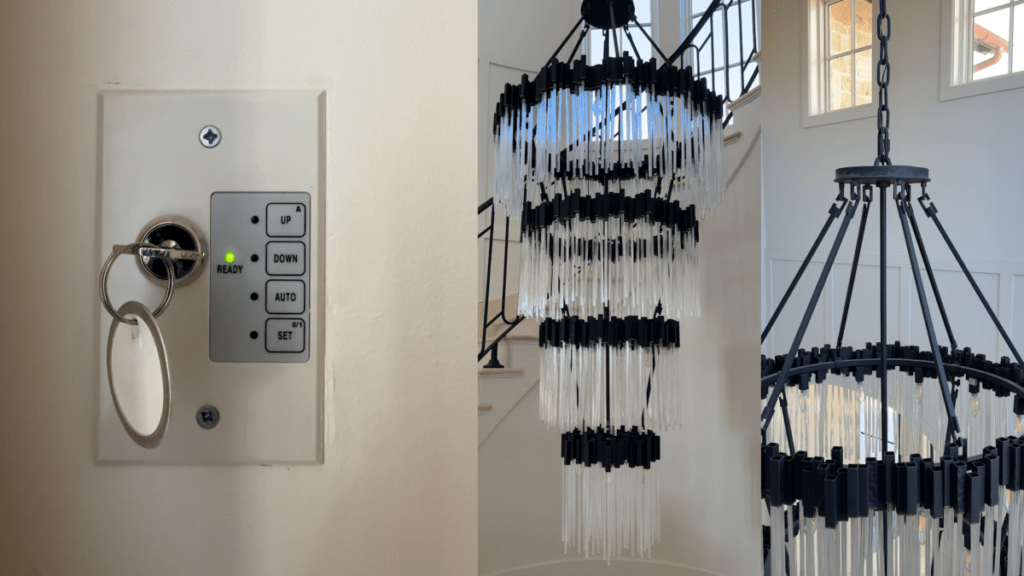
A motorized light lift is a good example. If an Owner mentions wanting one, even casually, that detail changes the plan and needs to be addressed early in the process. Since a light lift requires specific wiring and framing, it cannot be easily added once construction has moved forward. Catching that kind of comment early allows the team to plan for it properly instead of retrofitting it later.
Travertine Order That Had to Be Installed Twice
On one project, we ordered travertine mosaic tile for a floor. The manufacturer shipped the material in two separate batches, and the batches did not match. It was about an eighth of an inch difference in size, along with noticeable color variance between the two. Mike recommended waiting for a corrected shipment before installing the material. The Owner wanted the floor finished quickly, so the team installed what had arrived.
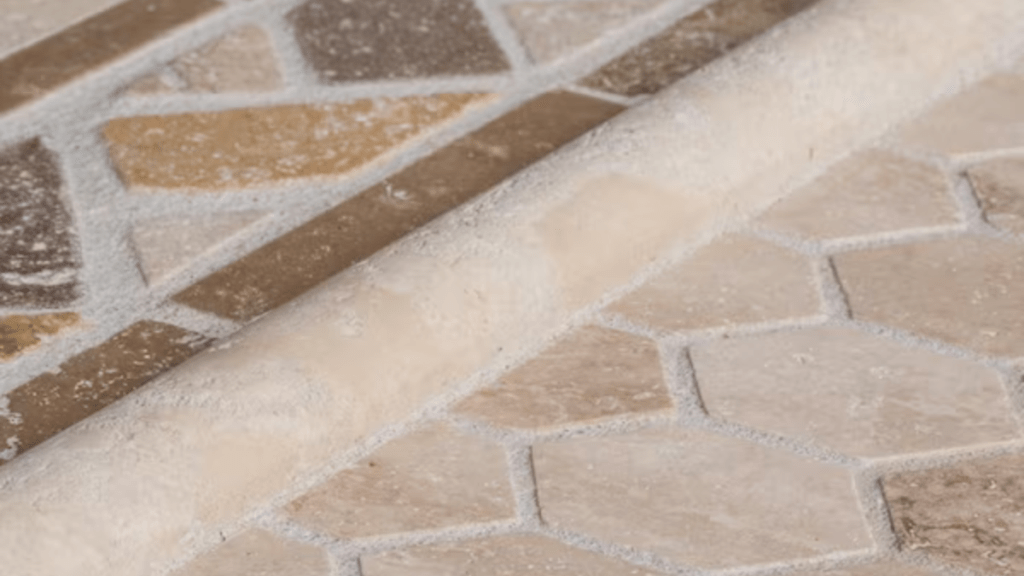
Unfortunately, the end result did not hold up. There was not enough matching material, and the Owner did not like the color inconsistency. The floor had to be torn out, the surface cleaned, new material ordered, and the entire floor relaid, which meant our Owners had to pay to install that floor two or three times over. Mike noted that the two weeks lost waiting to reorder the material would have been made up by the time it took to demo and redo the floor after the fact.
The moral of the story is we will do what our Owners want us to do. It is only a matter of time and money. That being said, we want to educate our Owners to give them the best options available, so we can avoid problems like these.
Proper Sequencing in Custom Home Building Matters
The Cabinets-Before-Electrical Rule
We will not finalize electrical until cabinets are approved because cabinet layout determines where every outlet and switch actually lands. If we skip proper sequencing, we have seen Owners pay serious money for it.
“I’ve had people go 10, 15, or $20,000 over on electrical because of the changes after cabinets.”
Appliances Affect Electrical
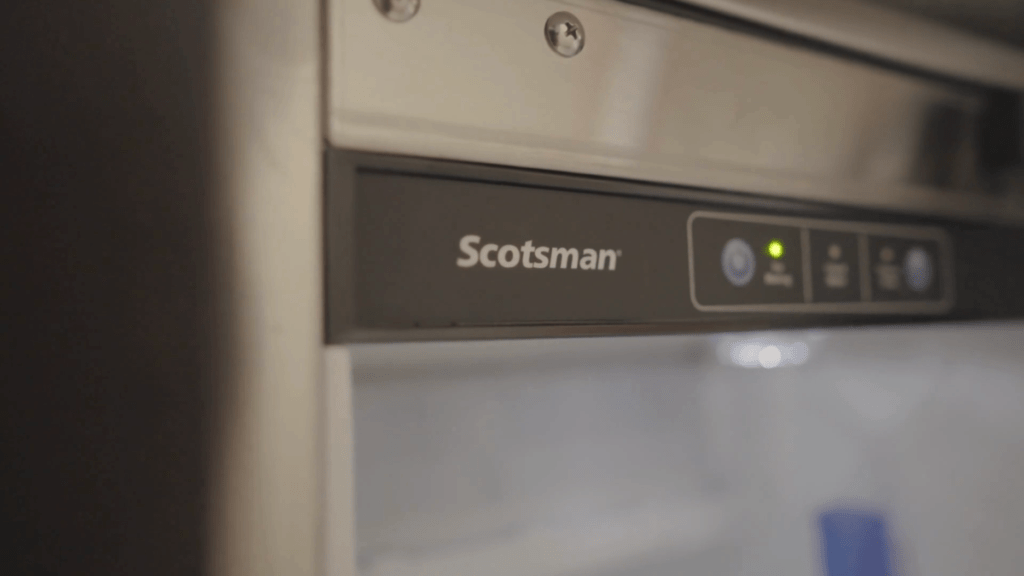
Ice Makers are a smaller-scale version of the same problem. Adding one after the fact is not as simple as plugging it in. Some ice makers, like a Scotsman Ice Maker, require its own dedicated electrical circuit, meaning a line run back to the panel and a breaker space set aside for it. When we plan during the initial wiring, that circuit costs somewhere in the range of $700 to $800. If it is requested after the house is already wired, the same circuit can run $1,200 to $1,500, depending on the length of the run.
How Paint Samples Can Cause Timeline Disruptions
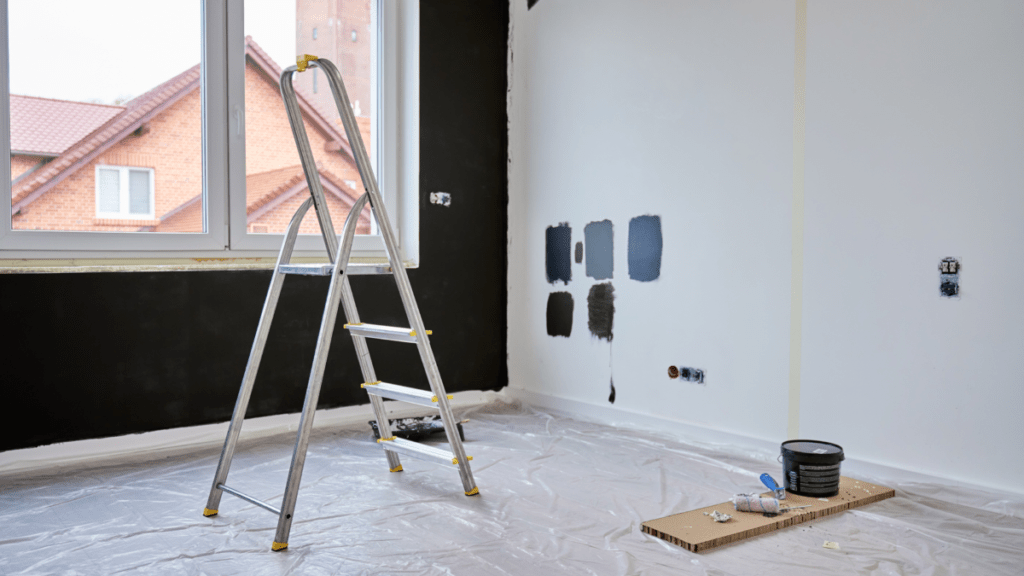
Paint works the same way. Crews put samples up in multiple rooms to show the paint in different lights. A color that looks perfect on a chip in the store can look drastically different than in your home. If we are not careful and deliberate, we can end up repainting the whole house. Nobody wants to do that, and that is why we take our time.
Owners Who Wait Are Happier Than Owners Who Rushed
Mike is blunt about what separates a smooth move-in from a rocky one: whether the Owner gave the crew time to finish the punch list before moving in.
“The happiest owners we have are the ones that give us time to finish the house and do our punch and prep beforehand.”
We are not doing this to be mean to our Owners. We do not want you to end up living alongside trade crews for months while things get corrected after the fact. His advice:
“Don’t rush your builder!”
Moving In Before an Item Arrives Creates Its Own Delay
Mike also described Owners who choose to move into a home before a backordered item, such as a piece of hardware, has arrived. Rather than wait, the Owner moved in as planned, and we had to return two, three, or four months later to complete the installation.

Mike noted that the team does not mind making the return trip, but the larger goal is for Owners to experience their finished home without unfinished items lingering in the background for months afterward.
How Do You Know You’re at Peace With a Decision?
Some Owners commit to a tile or a paint color and sleep fine. Others need to see it in the room, in real light, more than once before they’re comfortable. Mike says both are normal — the job is noticing the hesitation and stopping to talk it through instead of moving ahead anyway.

Conversely, we sometimes see Owners who have a hard time committing to a decision. During our conversations with those families, we allow them to take their time, but we may push back certain benchmarks.
As he put it, coaching Owners through it is “an art, not a science.”
There’s No Universal Timeline, But There Are Benchmarks
Every custom home has real checkpoints: foundation, dry-in, cabinet approval, paint approval. Those benchmarks, not the calendar, are what actually determines the pace of a home build. When Mike started building in the early ’90s, a home took seven or eight months. Now, twelve to eighteen months is standard, and large estates can run two to four years. Homes have gotten bigger and more complex, but the biggest factor in how long a build takes, in his experience, is not square footage — it’s how quickly Owners answer the questions they are asked.
Mike also blames streaming (thanks Netflix!)
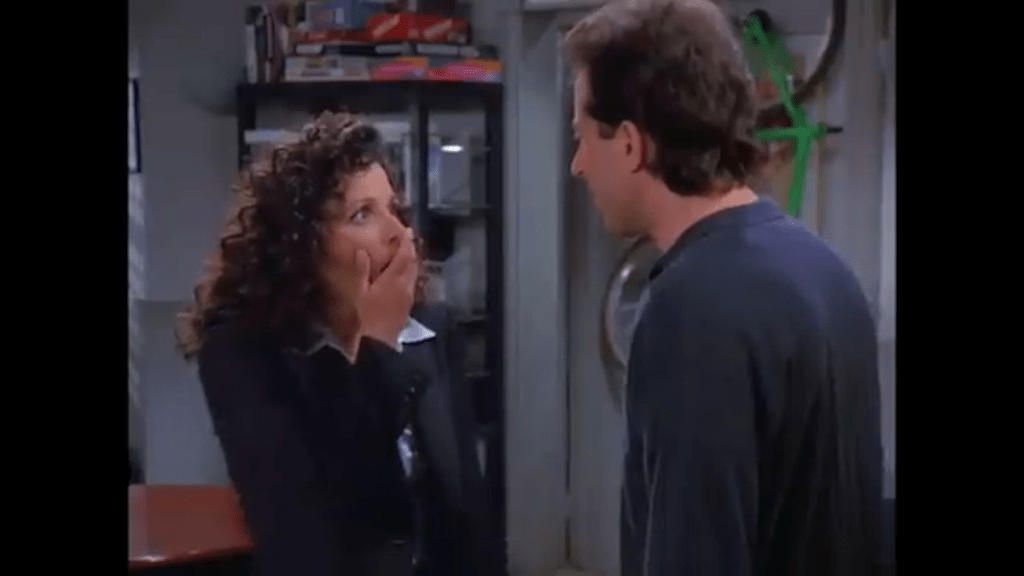
“It used to be… you waited until Seinfeld came on, and everybody experienced it together… versus now where everyone watches whatever they want, whenever they want… Pretty much streaming messed up the entire home building industry.”
Mike is pointing out that people who binge a season in a weekend expect the same instant turnaround from a custom build. The reality is the guys who work on your home have other commitments they have to attend to. Just because you want to go fast does not mean the end product will be as good as it would be if you were to wait and savor the decisions.
One Piece of Advice: Let It Marinate
If you take anything away from this episode, it’s this:
“Let it marinate. Just take your time. And then when you make your decision, be at peace with the decision.”

A custom home is one of the largest investments most people will make. Treating it like a rush order tends to cost more than it saves.
If you’re planning a custom home in Southlake, Westlake, Colleyville, Keller, or elsewhere in North Texas and want a builder who won’t let you rush yourself into a costly mistake, reach out to our team of custom home building experts.
817.748.2669 | Info@GarabedianProperties.com | GarabedianProperties.com