Spray Foam Insulation Hazards
Spray foam insulation is used in construction because of its ability to create an extremely airtight building envelope. We use spray foam because of its energy efficiency, noise reduction, and improved temperature control it can provide.
However, if you are to install it yourself, the installation process can pose serious health risks if it is not handled properly.
At Garabedian Properties, we believe Owners should understand the benefits of materials used in their homes and certain precautions that come with them. Much like our discussions surrounding freeze protection, ventilation systems, and building science, our goal is to educate our Owners of every aspect of their home.
Why Spray Foam Can Be Dangerous During Installation
The primary concern during spray foam installation is exposure to chemicals called isocyanates, particularly methylene diphenyl diisocyanate, also referred to as methylene diphenyl diisocyanate (MDI).
These chemicals are a respiratory hazard during installing and prolonged exposure during installation can cause:
- Severe asthma attacks
- Lung irritation and inflammation
- Skin sensitization
- Eye irritation
- Allergic reactions
- Permanent respiratory sensitivity
In rare cases, excessive exposure has been linked to severe lung damage and even death with those who have upper respiratory diseases.
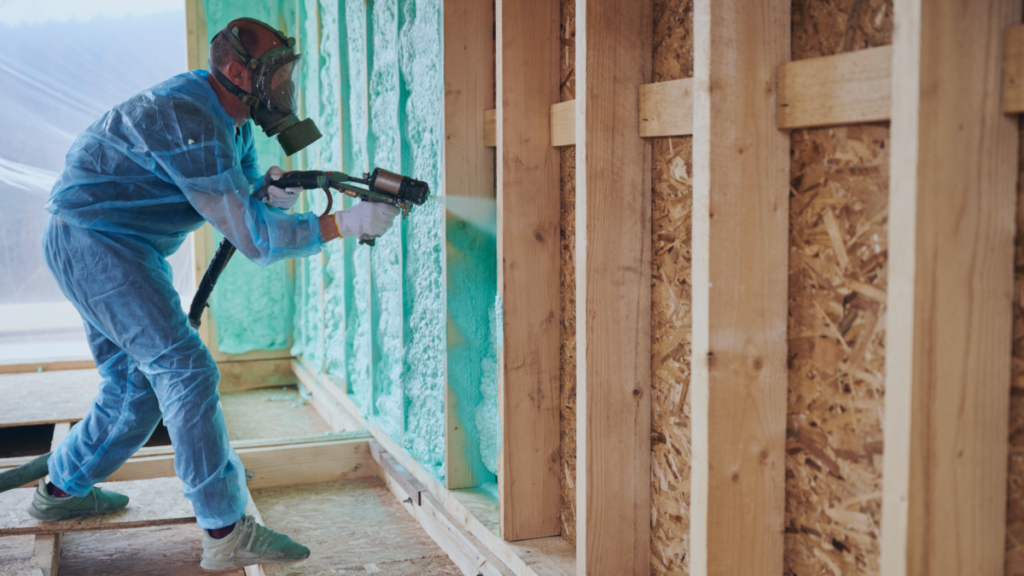
This is why professional installers wear full-body protective suits, gloves, and supplied-air respirators during application. If trained crews require that level of protection, Owners should understand the seriousness of entering the space too early during installation.
Off Gassing Chemicals
Another concern with spray foam installation is chemical off-gassing. During and after installation, spray foam can release volatile organic compounds (VOCs), including formaldehyde and other airborne chemicals. Poorly mixed or improperly cured foam can continue releasing odors and fumes for extended periods of time.
Symptoms of VOC exposure may include:
- Headaches
- Nausea
- Dizziness
- Eye irritation
- Sore throat
- Respiratory discomfort
Many times, Owners who have had contact with VOCs report the smell as “chemical,” “fishy,” or “sweet.” If the insulation is installed properly, these odors will dissipate after curing and ventilation. Odors that linger for weeks can indicate improper chemical ratios or incomplete curing.
Why Professional Oversight Matters
Spray foam can be unforgiving. Things like temperature, humidity, chemical ratios, and application thickness all matter. If installers spray too thick, mix the chemicals incorrectly, or apply the material under improper conditions, the foam may fail to cure correctly, leaving behind toxic fumes.
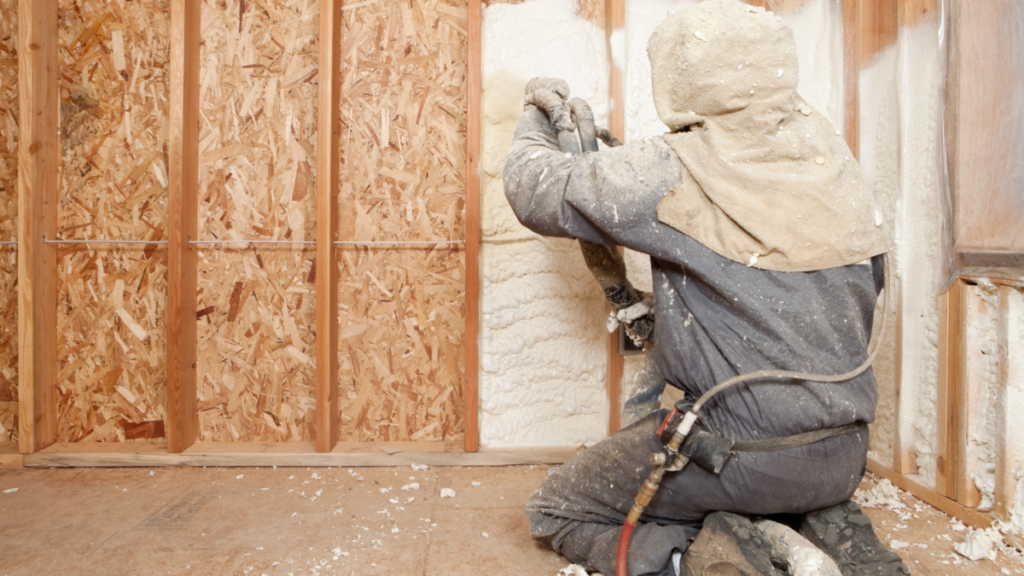
In severe cases, improperly installed foam has required complete removal from attics and wall cavities — a process that can cost tens of thousands of dollars and involve major demolition.
This is one reason why experienced builders place tremendous emphasis on trained Professional Partners and correct installation procedures. We discuss this same philosophy often when talking about the importance of craftsmanship, sequencing, and proper planning in construction.
Hidden Moisture Concern
Spray foam insulation creates a very tight seal. This is both a strength and a risk. If moisture becomes trapped because of improper installation or poor ventilation strategy, problems like mold growth, wood rot, and decking deterioration can occur
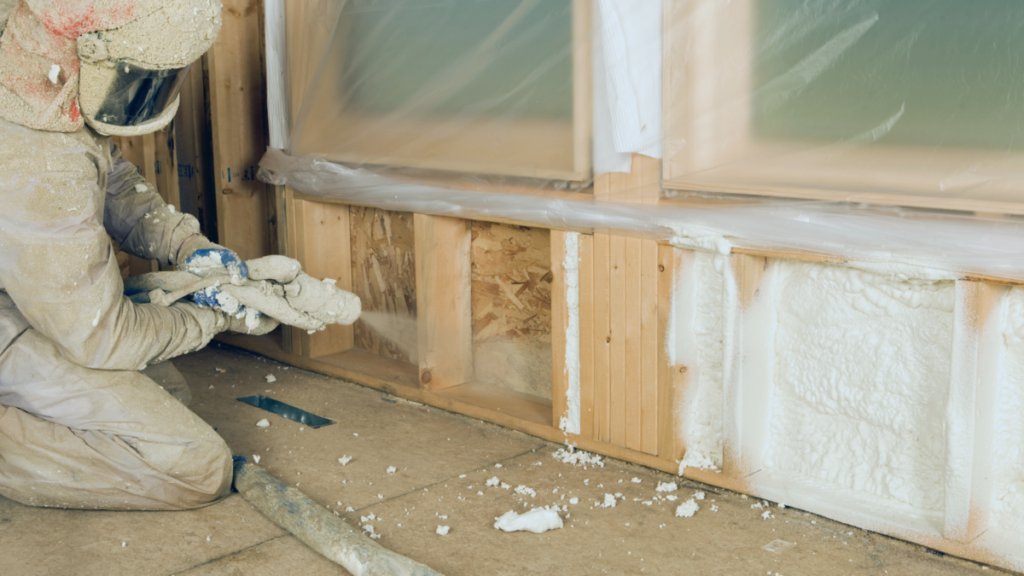
This is why ventilation strategy and overall building science matter so much. A home is an interconnected system. As a Professional Builder, we examine things like airflow, moisture management, insulation, HVAC design, and ventilation before and after installing spray foam.
Fire Safety Concerns
Although many spray foam products contain flame retardants, spray foam insulation is still considered a combustible plastic material.
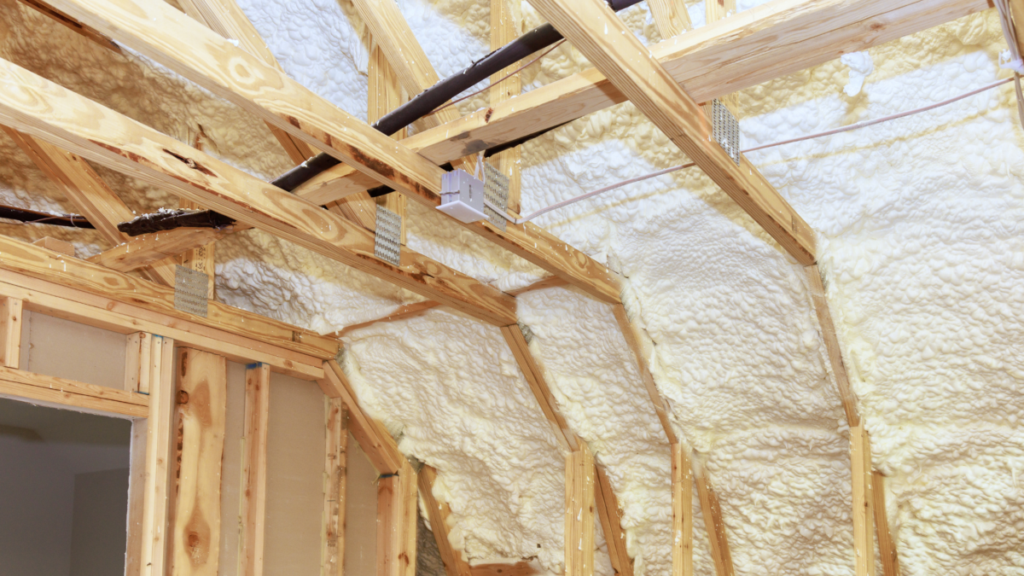
Building codes typically require spray foam to be covered with a thermal barrier such as drywall or a specialized ignition barrier coating. Improperly exposed spray foam can increase fire risks and may produce toxic smoke when burned.
Why the EPA Recommends Leaving the Home
The EPA and many industry professionals recommend that Owners and pets vacate the premises during installation and remain out of the home for a specified period afterward. Typically, this evacuation period ranges from 24 to 48 hours depending on the foam type, ventilation, and how big an area we are covering with foam. This precaution exists to reduce exposure to airborne chemicals during curing.
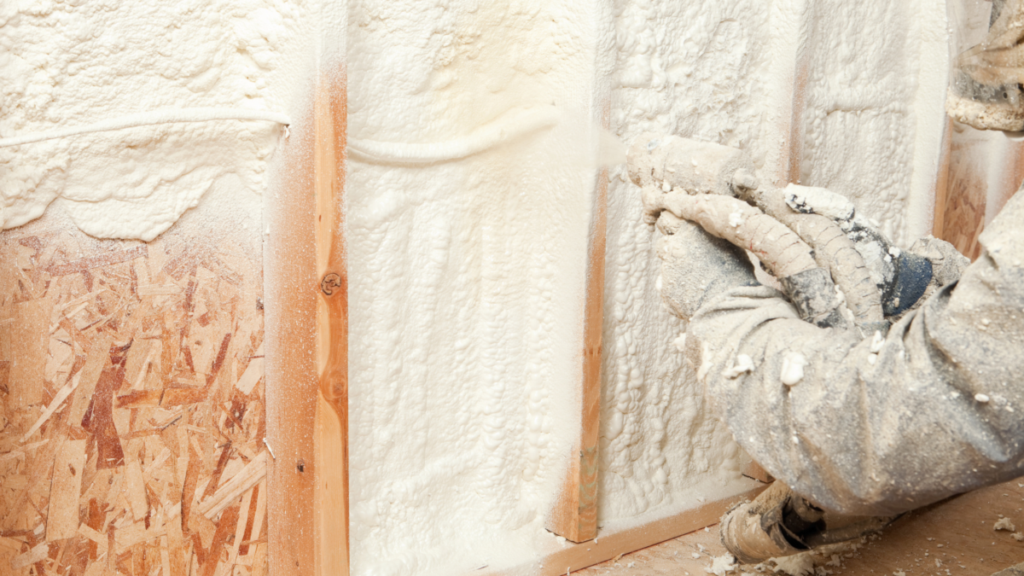
Attempting to “check on progress” during application without protective equipment is not worth the risk. Yes, we want our Owners to visit their home as it is being built, but trust us during this part of the process!
What Homeowners Should Ask Before Installation
Before agreeing to spray foam installation, Owners should ask:
- What ventilation plan will be in place?
- How long should the home remain vacant?
- What PPE will the crew use? (Personal Protective Equipment)
- What happens if the foam does not cure properly?
- Will thermal barriers be installed per code?
A reputable builder or contractor will answer these questions clearly and confidently.
The Garabedian Difference
At Garabedian Properties, we believe informed Owners make better decisions — and that starts with understanding both the advantages and the risks behind the materials going into your home.
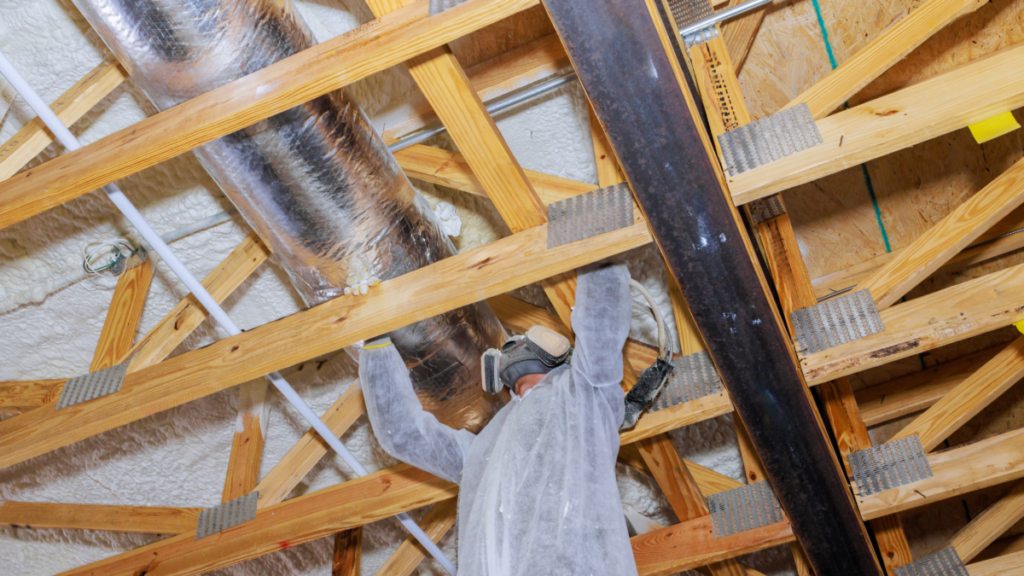
Spray foam insulation can absolutely be part of a well-designed, energy-efficient estate when installed correctly by trained professionals. In any case however the installation process should never be treated casually. The same way we encourage Owners to think proactively about freeze protection, HVAC maintenance, water management, and structural planning, insulation decisions deserve attention as well.
When you build a home with Garabedian Properties, you can be assured you have an experienced team of confident, trained professionals who will help guide you during the process.