Texas housing is being shaped by two powerful forces at the same time. On one side, the so-called “silver tsunami” may gradually release more homes into the market as older Americans sell, downsize, or age in place. On the other, the cost of building new homes keeps rising, not just because of materials, labor, land, and interest rates, but because of a slower-moving pressure that often gets less attention: code creep.
For families trying to buy or build a home, that combination matters. More supply can help, but if new homes keep becoming more expensive to construct, affordability will remain out of reach for many Texas households. In a state where growth is strong and demand remains high, the issue is not simply how many homes get built — it is what those homes cost.
What the Silver Tsunami Really Means
The “silver tsunami” refers to the wave of housing inventory expected as older homeowners downsize or transition out of their homes. Adults aged 65 and older now account for nearly one in five Americans and own about one-third of all U.S. homes, which gives this cohort an outsized role in the housing market.
According to an in-depth analysis by the National Association of Home Builders (NAHB), the supply released by older homeowners will not hit every market the same way. In retirement-friendly regions, many homes owned by older Americans are located in areas that still attract retirees, so demand can remain strong even as listings rise. In other markets, especially where population growth is weak or negative, the risk is different: inventory could rise faster than demand can absorb it.

Texas sits in the middle of that conversation. Fast-growing metros like Austin are among the places that could benefit from more supply, while also facing the pressure that comes from population growth and limited housing stock. That means any additional turnover from older homeowners may help, but it will not solve affordability on its own.
Why Older Homes Are Not a Perfect Match
One reason the silver tsunami is not a silver bullet is that many homes owned by older Americans are decades old. In practice, that means some of the housing stock that comes back to market may need major updates before it appeals to younger buyers looking for open layouts, energy efficiency, or low-maintenance living.

That is especially important in Texas, where buyers often expect practical, modern homes that can handle the climate. A home that is structurally sound may still require renovation, redesign, or even redevelopment before it becomes a good fit for the next buyer. So even when supply rises, it may not align neatly with current demand.
Older homeowners also have reasons to stay put, too. Many own their homes outright, which reduces the financial pressure to move. In another article by NAHB, the rising cost of assisted living and nursing care encourages more people to age in place rather than relocate. That slows the pace at which homes enter the market and makes the transition more gradual than the phrase “tsunami” suggests.
What Code Creep Means
If you have been watching the housing market over the past several years, one thing is clear: costs are not slowing down. Material prices, labor shortages, land constraints, and interest rates all play a role. But there is another force that can add to the total: code creep.
When home building codes were more stable, updates were usually tied to clear safety or performance improvements. Today, codes are expanding more rapidly, and what was once a framework for safety can become a vehicle for additional mandates that go beyond practical application. Over time, these changes stack up and raise the cost of every new home.
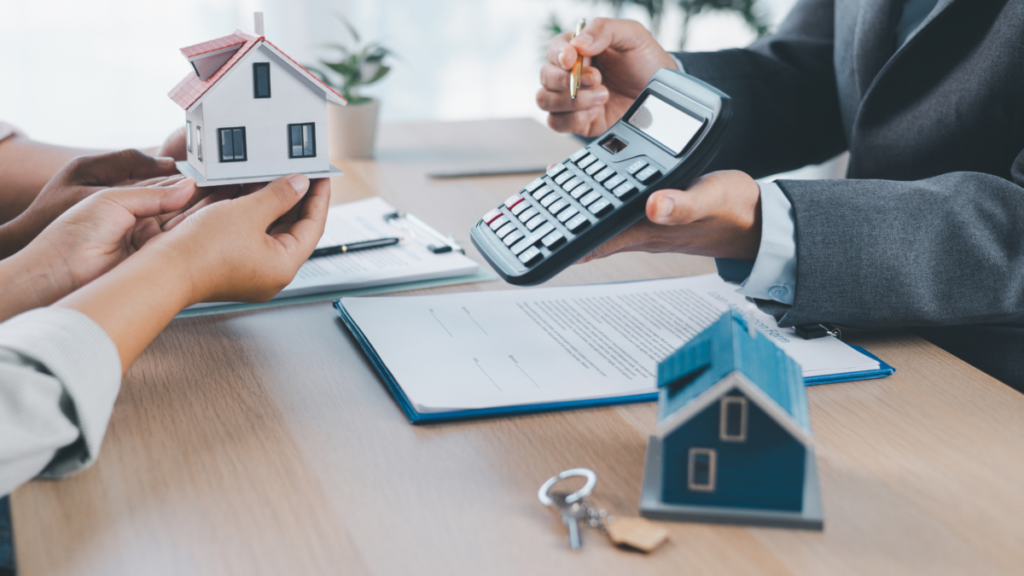
That is what builders mean by code creep. One new requirement may seem small on its own, but the effect compounds year after year. A mandate might add a few thousand dollars here or there, but together those requirements can add tens of thousands of dollars to the cost of a home. That cost is paid upfront by the Owner, and it also comes with longer build times, more inspections, more approvals, and more opportunities for delay.
Why Payback Is a Problem
One of the most concerning parts of many recent code proposals is the idea of “payback.” In theory, the argument is straightforward: higher upfront costs can be justified if homeowners save money later through better energy performance or improved efficiency. In practice, the math does not always work for the families actually buying the home.
If the added cost is significant and the projected savings take decades to recover, the benefit can become hard to justify. In some cases, the payback period can stretch as long as 90 years, which is far beyond the amount of time most families will live in the home. That turns the mandate into a forced investment with little real-world benefit during the period the Owner actually occupies the property.
For Texas families, that is a real concern. A home is usually the largest investment they will ever make, and every added requirement affects what they can afford, how much home they can build, and how much flexibility they keep for the future.
Why This Matters in Texas
Texas has long been seen as a place where housing can stay more attainable because builders, policymakers, and local markets have traditionally allowed room for growth. That advantage can be weakened however if regulations continue to add cost faster than incomes can keep up.
Recent Texas affordability reporting has underscored just how much the rise in housing costs matter in this state, while state-level policy efforts have focused on reducing barriers to production. In that environment, code creep becomes more than a technical issue — it becomes a direct affordability issue for working families.
This is also why the builder community keeps pushing back. We are members of organizations like the National Association of Home Builders, the Texas Association of Builders, and the Greater Fort Worth Builders Association, and we have been active in challenging unfunded mandates that raise costs without delivering short-term benefits. Every added requirement has a ripple effect across the market.
What It Means for Buyers and Owners
For homebuyers, the impact is immediate. Higher construction costs can limit entry into the market, reduce the size and scope of homes families can afford, and make long-term financial planning harder. For Owners building custom homes, it also matters what is happening behind the walls, because those invisible requirements can drive the final price as much as the visible finishes.
For the broader housing market, the message is just as clear. The silver tsunami may add some inventory, but it will not fix affordability on its own. New construction still has to keep pace with demand, and builders still need room to deliver homes at prices that real families can reach.
Texas is in a position where both sides of the equation matter. The state needs more homes, but it also needs to keep the cost of delivering those homes under control. If it does not, the market may continue to add supply while still leaving too many families priced out.
Choose A Builder That Gets It
In the end, the housing challenge in Texas is not just about demographics or demand. It is also about the rules, costs, and requirements that shape what can be built and what it will cost before construction even begins. The silver tsunami may eventually add more homes to the market, but code creep can just as easily keep new homes out of reach.
That is why the conversation has to stay focused on both supply and cost. More homes matter, yes, but so does making sure the homes we build remain attainable for the next generation of Texas families. At Garabedian Properties, we get it. we stay involved with our local policymakers to ensure our Texas population has a generation to sell their home to, and in turn, the upcoming generation has homes they can afford.