
THE PROCESS of a custom home builder
How long does it take to build a custom home in North Texas?
The timeline from initial design conversations through move-in typically runs 14 to 24 months for a luxury custom home in the Dallas–Fort Worth area. The range reflects genuine variables — lot complexity, design scope, material lead times, municipality permitting timelines, and weather. A simpler home on a straightforward lot in a cooperative municipality can move faster. A complex estate on acreage with significant site work will take longer. What compresses timelines most reliably is Owner preparedness in the early design phase — Owners who arrive with clear priorities, an established budget, and a strong visual reference library allow the design process to move with momentum rather than restart repeatedly.
What is the first step in building a custom home?
The first step is establishing a realistic budget — not a wish number, but a fully considered budget that accounts for land, construction, design fees, permits, landscaping, furnishings, and contingency. Everything downstream of that conversation depends on its honesty. Once the budget is grounded, lot selection and design team assembly happen in close parallel. Attempting to design a home before a lot is secured produces drawings that may be incompatible with the actual site — a costly and time-consuming reset that is entirely avoidable.
What is the difference between a custom home builder and a production builder?
A production builder constructs homes from a fixed catalog of floor plans on developer-controlled lots, with limited options for modification. A custom home builder designs and builds each home from the ground up, on a lot the Owner selects, to a specification the Owner defines. Every structural decision, material selection, and design detail in a custom home is a deliberate choice — not a default. The cost premium reflects the depth of that involvement and the craftsmanship required to execute it without the efficiencies of repetition.
About
What does a Certified Master Builder designation mean?
The Certified Master Builder designation is a professional credential earned through the National Association of Home Builders that recognizes demonstrated expertise in residential construction, business management, and industry knowledge. It is not a title a builder assigns to themselves — it requires documented experience, continuing education, and examination. For an Owner commissioning a luxury custom home, it is a meaningful differentiator in a market where the term “custom builder” carries no regulatory definition and no minimum qualification.
What is THE LAST 10% and why does it matter?
THE LAST 10% refers to the finish-out phase of a custom home build — the period when flooring, millwork, tile, fixtures, hardware, lighting, and all finish materials are installed. It is the phase most visible to the Owner at completion and the phase that most directly defines the character and quality of the finished home. It is also the phase most vulnerable to budget erosion if the earlier phases were not cost-managed carefully. Owners who protect THE LAST 10% budget treat it as a non-negotiable allocation from the beginning of the project.
Lot Selection
How do I choose a lot for a custom home in North Texas?
Lot selection is one of the highest-leverage decisions in the entire custom home process — and one of the most underestimated. The right lot is not simply the one with the best view or the most desirable address. It is the lot whose topography, dimensions, orientation, soil conditions, utility access, drainage patterns, and deed restrictions are compatible with the home you intend to build. A lot that appears ideal at a cursory visit can carry six-figure site preparation costs that compress the construction budget significantly. A pre-purchase lot evaluation by an experienced builder before closing is one of the most valuable investments an Owner can make.
What should I know about building on acreage in North Texas?
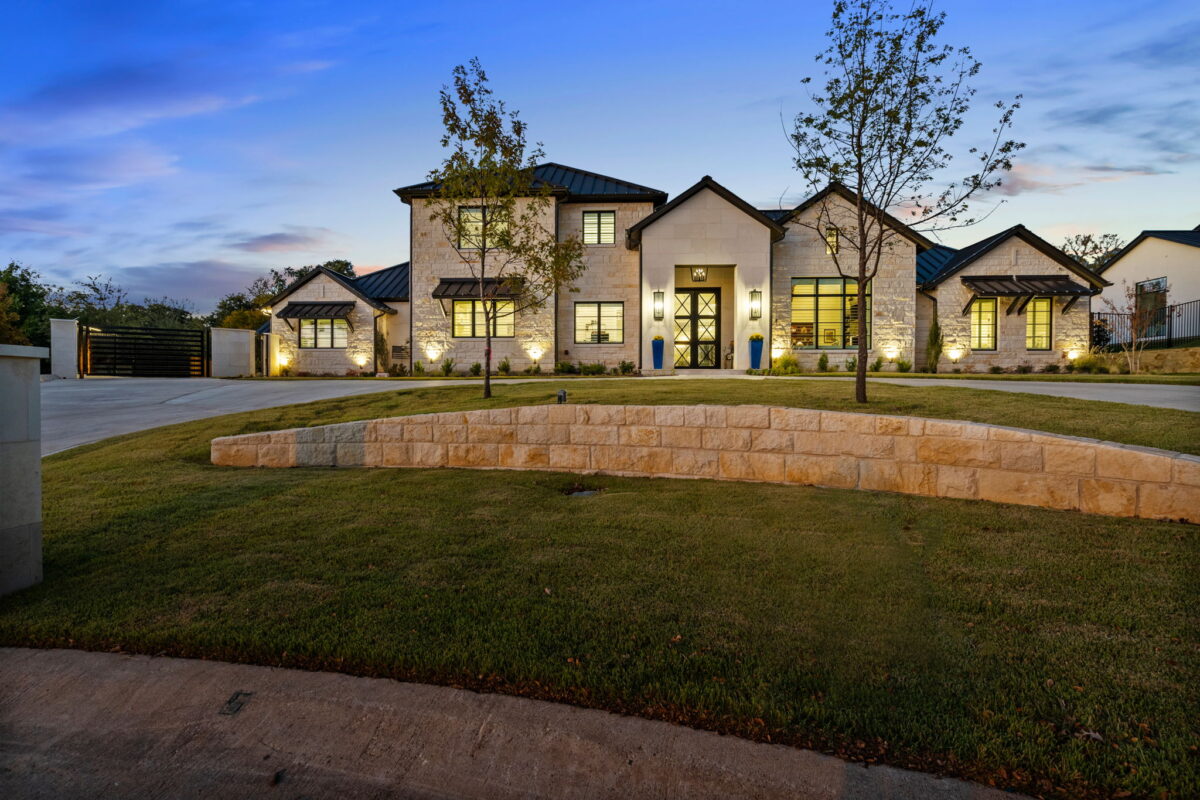
Acreage builds in North Texas — particularly in Wise County markets like Decatur, Rhome, and Boyd — introduce site considerations that are largely absent from subdivision lots. Septic system design and placement, water well drilling, road and driveway construction, site clearing, grading, and utility extension are all cost items that require evaluation before the land purchase is finalized. The privacy and scale that acreage offers is genuine. So is the complexity. An experienced builder who has worked in those markets understands what the land costs before the home begins.
Can I build on a lot I already own?
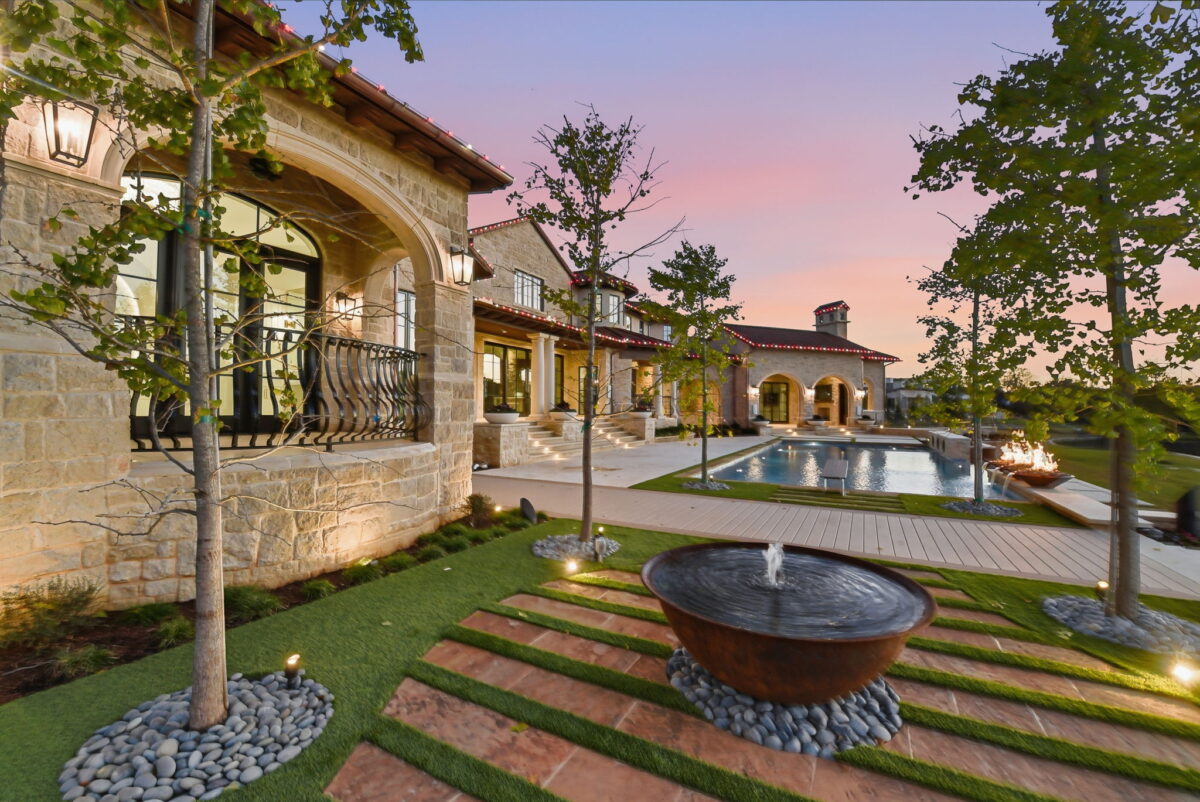
Yes — and in many cases an Owner who already holds a lot has a meaningful head start. The important step is a thorough site evaluation before design begins, so the home is designed for the actual conditions of the land rather than a generic assumption. Setbacks, easements, deed restrictions, drainage, and orientation all influence what can be built and where it can be positioned on the parcel.
Design and Architecture
Do I need an architect to build a custom home?
Not always. The choice between an architect and a home designer depends on the complexity of the project, the design vision, and the budget. Architects bring structural engineering expertise and are equipped to handle highly complex or architecturally distinctive projects. Home designers typically produce construction documents for more conventional residential projects at a lower fee. An experienced builder can help an Owner understand which professional is appropriate for their specific scope — and can recommend professionals whose working style is compatible with the project and the team.

When should landscape architecture be part of the design process?
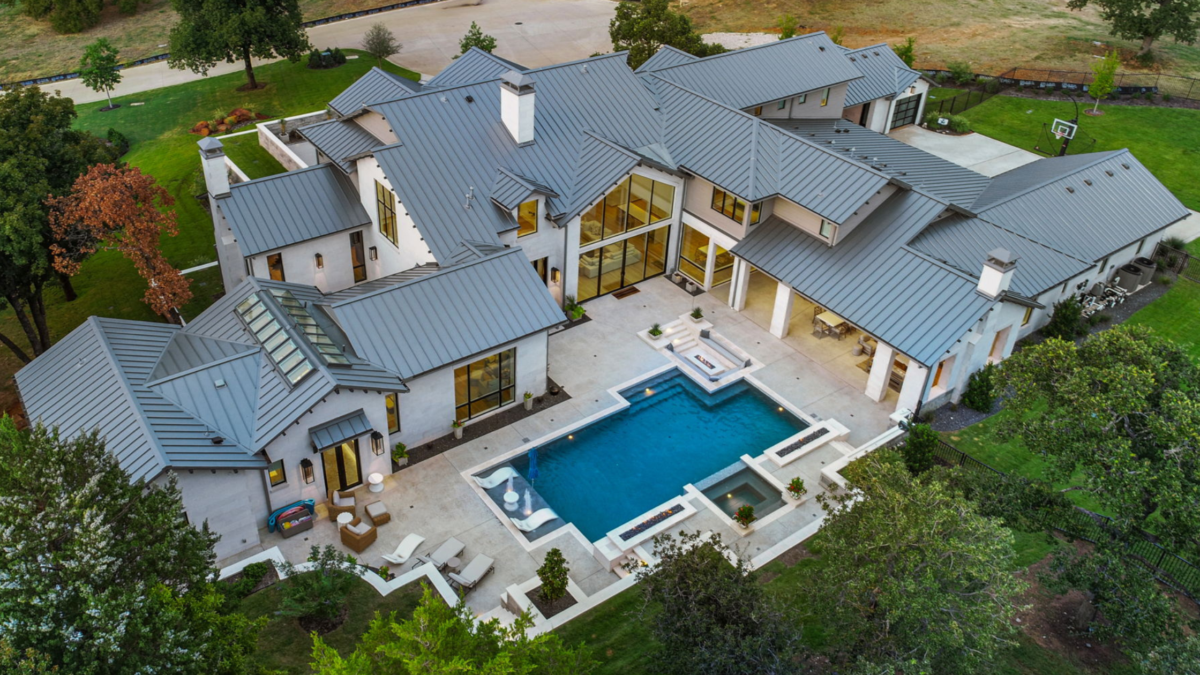
From the beginning — not at the end. When we integrate landscape architecture into the design process from day one, we create homes whose interiors and exteriors function as a single composition. We treat landscape architecture as a finishing touch after construction, it must adapt to decisions already made instead of helping shape them. Drainage, grading, outdoor living areas, pool placement, motor courts, and entry sequences are all design decisions that affect the architecture of the home itself. They belong at the table early.
How do I communicate my design vision to a builder?
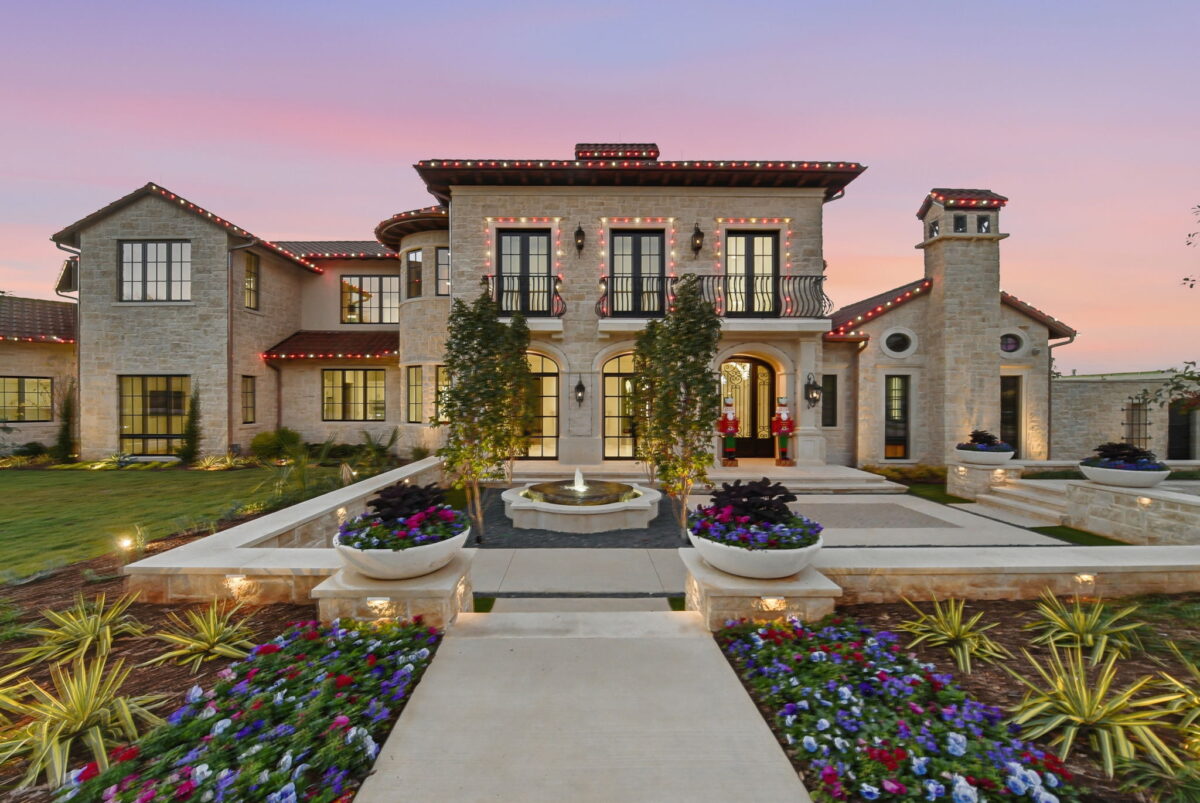
A well-curated visual reference library gives Owners one of the most effective tools for communicating their vision. By gathering images from Houzz, architectural publications, Instagram, and magazine tear sheets, Owners can illustrate not only the overall aesthetic they seek but also specific details—a stair profile, a ceiling treatment, a kitchen configuration, or a material combination. Verbal descriptions of design intent are imprecise. Images are specific. The more specific the visual library, the more precisely the design team can translate the Owner’s vision into construction documents.

Budget and Cost
How much does a custom home cost in North Texas?
The cost of a custom luxury home in the Dallas–Fort Worth metroplex varies with scope, specification, site complexity, and market conditions. A meaningful budget conversation requires a specific program — square footage, number of stories, structural complexity, material tier, site conditions, and the inclusion of features like home automation, outdoor kitchens, pools, and specialty systems. General per-square-foot figures circulate widely and are consistently misleading because they flatten the variables that determine actual cost. An experienced builder can provide the most reliable cost guidance by translating a specific program into a realistic budget range before you commit to design fees.
What contingency should I plan for in a custom home budget?
A 10% contingency allocation is a reasonable minimum for a custom home project. Owners who treat contingency as optional rather than structural typically encounter it as a crisis rather than a planned resource. Material prices, site conditions, design evolutions, and Owner-initiated changes all draw on contingency. A project managed well may return a portion of it at completion. A project with unexpected site complexity or significant scope changes will consume it and potentially exceed it.
What costs are typically not included in a builder’s base contract?
Costs frequently excluded from a base construction contract include land acquisition, landscaping, pool and outdoor living structures, furniture and furnishings, window treatments, audio-visual and home automation systems, moving costs, and HOA fees. The specific exclusions vary by builder and contract. Before signing a construction contract, Owners should explicitly ask what the contract includes and excludes. They should also recognize that a lower base contract price often reflects more exclusions and does not necessarily result in a lower total project cost.
Smart Home and Technology
What smart home systems do you recommend for a custom home?
The appropriate smart home specification depends on the Owner’s intended use, technical comfort level, and long-term support expectations. Systems that integrate lighting control, HVAC management, security, access control, audio-visual, and shading under a single platform offer the most coherent experience but require professional installation and ongoing support. Garabedian Properties partners with leading integrators across North Texas and connects Owners with professionals who base their recommendations on the Owner’s needs rather than product margins.
What is Ketra lighting and why do you specify it?
Ketra is a tunable lighting system that adjusts color temperature and intensity throughout the day to align with natural circadian rhythms — warmer and dimmer in the evening, cooler and brighter during daytime hours. Lighting that actively supports sleep quality and wellbeing is a specification decision with compounding daily value. It is one of the few technology specifications in a custom home that affects how an Owner feels in the space every single day.
Estate Management
What is GEMS?
GEMS — Garabedian Estate Management Services — is a comprehensive home care service for luxury homeowners in North Texas. GEMS provides a single point of contact for routine maintenance coordination, seasonal preparation, annual roof tune-ups, vendor management, and response to unexpected issues. For Owners who value their time and want their home maintained to the standard it was built to, GEMS replaces the burden of managing multiple vendors independently with a structured, proactive care program. GEMS is available to all homeowners — not exclusively to homes Garabedian Properties built.
What does an annual roof tune-up involve?
A roof tune-up is a systematic inspection performed by a roofing technician — not a salesperson — who physically examines the roof. They check for broken or missing material, damaged flashing, shingle delamination, failed ventilation assemblies, and missing sealant. The distinction between a technician and a salesperson matters because technicians earn their compensation by accurately identifying and reporting problems. A salesperson is compensated to sell a new roof. Annual tune-ups catch small failures before they become significant water events, and they document the condition of the roof over time. Documentation carries value when insurance questions arise.
Why is GEMS useful even if I did not build with Garabedian Properties?
A luxury home is a significant asset that requires consistent, knowledgeable stewardship regardless of who built it. GEMS provides that stewardship through structured home care plans that address routine maintenance proactively rather than reactively. Deferred maintenance on a luxury home compounds — small failures become large ones, and large ones become expensive ones. GEMS exists to interrupt that pattern on behalf of Owners who want their investment protected and their time respected.