Rising Housing Costs
If you have been watching the housing market over the past several years, one thing is clear: Costs are not slowing down. Material pricing, labor shortages, land constraints, and interest rates all get plenty of attention. Those are all real factors, but there is another force:
Code Creep.
As a housing market expert with over nearly four decades of experience building in North Texas, we have seen this firsthand.
What Is Code Creep?
When we started building homes more than 30 years ago, building codes were relatively stable. Updates happened, but they were often based on clear safety or performance improvements.
Today, codes are expanding rapidly. What was once a framework for safety has, in many cases, become a vehicle for additional mandates—many of which go far beyond practical application.
These changes compound year after year.
That is Code Creep.
How Code Creep Impacts Housing Costs
Every new requirement—no matter how small it may seem—has a cost.
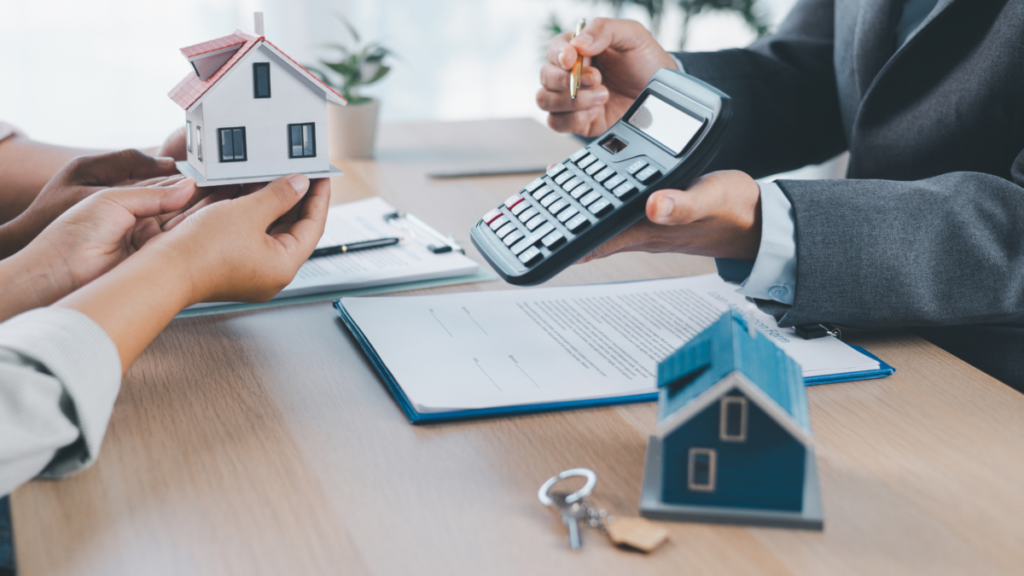
Individually, a mandate might add a few thousand dollars. Collectively, they can add tens of thousands of dollars to the cost of building a home.
Those costs are not theoretical are paid upfront by the Owner. At the same time, these additional requirements:
- Extend construction timelines
- Increase design complexity
- Require additional inspections and approvals
- Introduce more opportunities for delays
The result is a compounding effect:
Higher costs + longer build times = reduced affordability.
The Payback Problem
One of the most concerning aspects of recent code proposals is the concept of “payback.”
Many mandates are justified based on long-term savings—often tied to energy efficiency or performance improvements.
In theory, that sounds reasonable, yet we have seen cases where:
- The added cost is significant
- The projected savings take decades to recover
- The “payback period” can stretch as long as 90 years
That is not a practical return for most homeowners.
It becomes a forced investment with little real-world benefit during the time an Owner actually lives in the home.
Who Is Pushing Back?
This is not going unnoticed. Organizations like the:
- National Association of Home Builders (NAHB)
- Texas Association of Builders (TAB)
- Greater Fort Worth Builders Association (GFWBA)
are actively working to challenge these unfunded mandates.
Recently, there has been a significant legal victory in this space, pushing back against overreaching requirements that would have added substantial cost with minimal short-term benefit. This is a step in the right direction.
Why This Matters to Homeowners
For many families, a home is the largest investment they will ever make.
When costs rise unnecessarily, it impacts:
- Entry into the housing market
- The size and scope of homes families can build
- Long-term financial flexibility
We often remind our Owners:
Building a custom home is not just about what you can see—it is also about what is required behind the walls.
And increasingly, those requirements are being shaped by factors outside of the Owner’s control.
A Broader Perspective on Housing Costs
Code Creep is not the only factor driving prices higher—but it is one of the most overlooked.
When you combine it with:
- Labor shortages in skilled trades
- Increasing material costs
- More complex design expectations
- Longer project timelines
…it becomes clear why housing affordability continues to tighten.
This is not a single-issue problem. It is a layered one.
Final Thoughts from a Housing Market Expert
The conversation around housing costs often focuses on visible factors—interest rates, supply, demand. Code Creep is not as obvious but deserves the same recognition.
As builders, our role is to help Owners navigate these updates by making informed decisions when it comes to building their custom home.
If you are considering building or renovating and want guidance from a team that understands both the visible and invisible factors driving today’s housing market, connect with us today.