Uniqueness… “Built-In” — Episode with Team G
Designing a custom home from scratch can feel overwhelming. There are architects, builders, surveys, engineering reports, city approvals, and countless design decisions that all need to come together before we can begin construction.
For families building their first custom home, understanding the order of operations is one of the most important things you can do to make the process smoother.
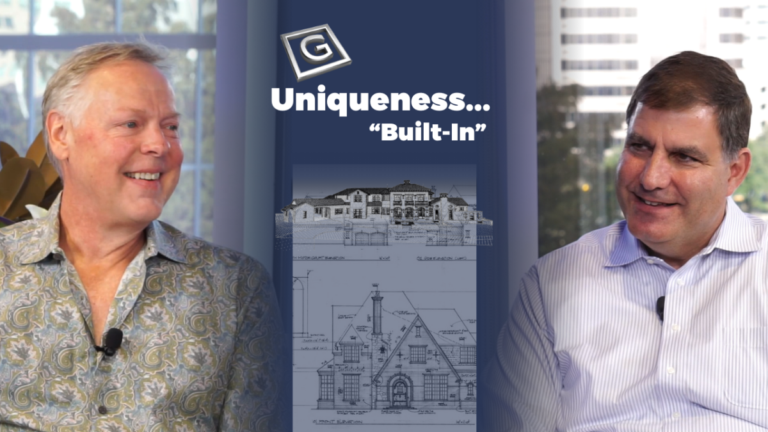
In Episode 9 of Uniqueness… “Built-In”, Mike Garabedian walks through the early steps Owners should take when designing their first custom home. After more than three decades of designing, building, and renovating custom luxury homes, our team has learned that preparation before the design process begins can save significant time, money, and frustration later.
Below are the key steps we recommend every Owner follow when beginning the design process.
1. Start with Visual Inspiration
Before meeting with a builder or architect, gather images that represent what you are trying to accomplish in your home. In the past, Owners would arrive with big binders full of magazine clippings.

Today, most people organize these ideas using Pinterest boards, digital folders, or PowerPoint presentations.
Pictures are one of the most effective ways to communicate design ideas. Describing a space verbally can be difficult, but visual examples help architects and builders quickly understand the style, layout, and features you are envisioning.
Identify Your Room Priorities
During early design meetings, it helps to think about the role each room will play in your daily life.
For example:
- Should the study be in the front of the home as a showpiece space or tucked away for privacy?
- Do you want a large great room or a more modest great room?
- Do you craft regularly and need a room or can we incorporate a crafting station in your wet room?
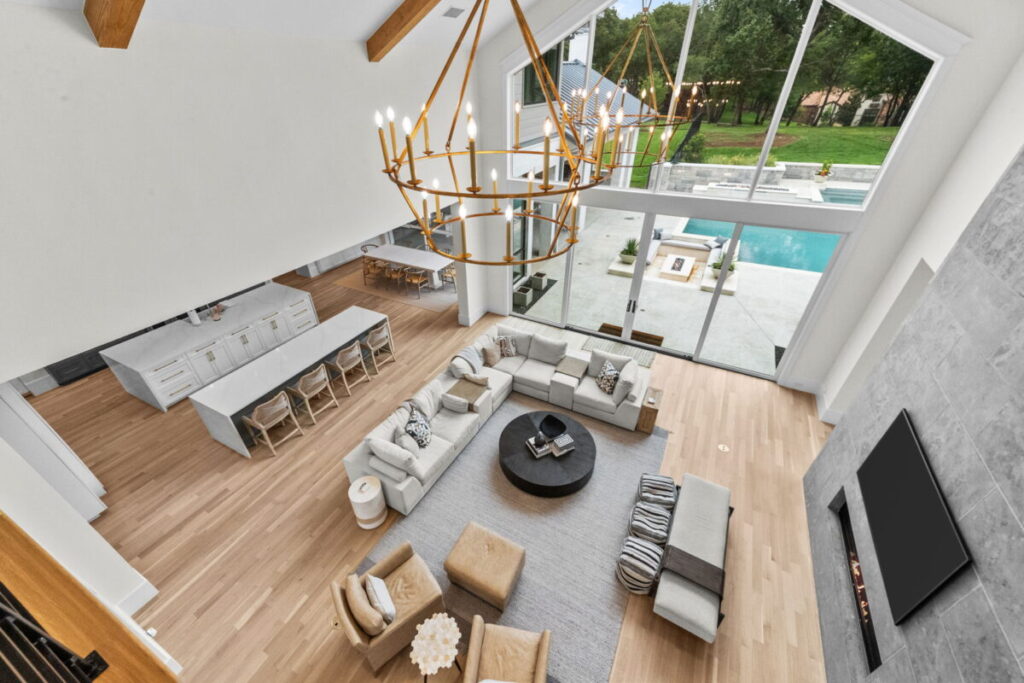
These types of decisions affect layout, flow, and how the home functions. Understanding your room priorities early allows the architect to design a floor plan that reflects how your family will live comfortably in the space.
These images do not have to be perfect examples of your future home. Many times, we find that our Owners like a specific color or element in the photo, and it is our job to help uncover that in our conversations.
2. Establish an Approximate Budget
Before designing anything, it is important to understand what you are comfortable spending.
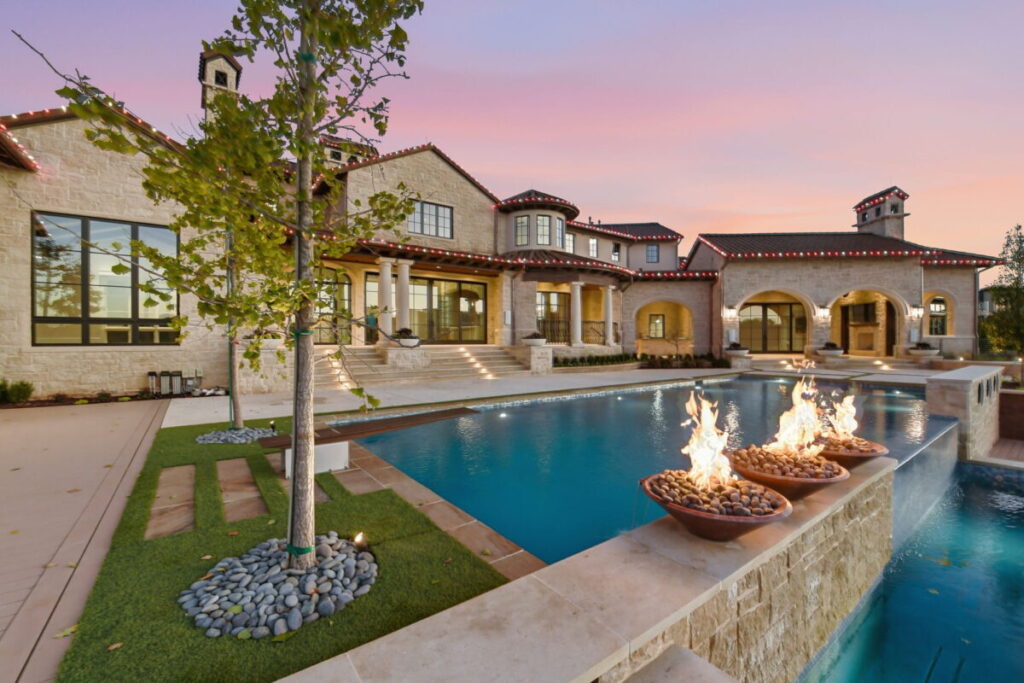
Your budget influences:
- The communities where you may want to build
- The size of the home
- The complexity of the architecture
- The materials and finishes that can be incorporated
Without a clear budget, it becomes difficult for a builder or architect to guide the design process effectively. Even a rough range helps shape realistic expectations early in the process. Your lender will also have you form a contingency budget, about 5-10% of the home. Your builder will do something similar, what we call The Last 10%.
Covenants and Deed Restrictions
Before purchasing a lot, it is essential to review the neighborhood’s covenants and deed restrictions.
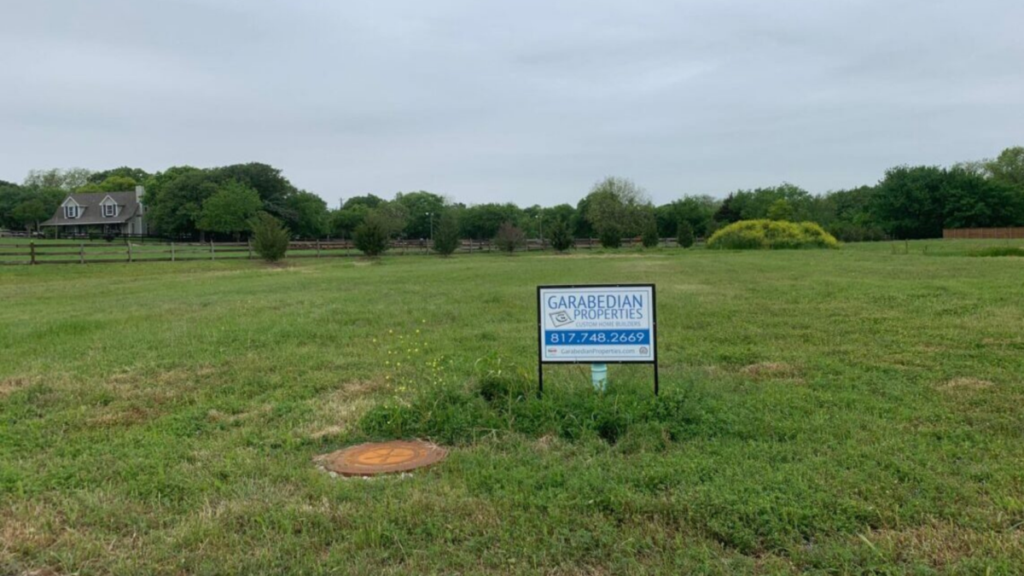
These rules may regulate:
- Minimum home sizes
- Architectural styles
- Exterior materials
- Building setbacks
- Garage placement
- Fence or landscaping requirements
Sometimes restrictions can increase construction costs or limit certain design choices. In other cases, strong architectural guidelines can protect the long-term character of the neighborhood. Understanding these rules early helps avoid surprises later.
3. Create a Wishlist for the Home
Owners should also prepare a list of features they would like to include in their home.

This wishlist may include items such as:
- A home office or study
- Outdoor living spaces
- A media or game room
- A large kitchen designed for entertaining
- Specialty spaces such as a gym, bar room, or hobby area
- Specific additions like a pool table or foosball table
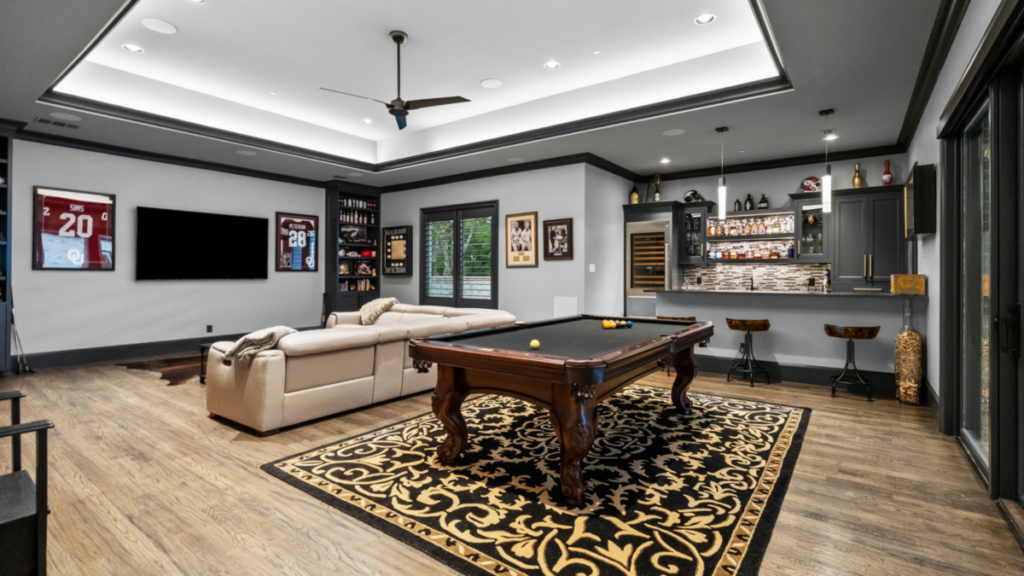
This list does not have to be finalized. Having this list helps your design team understand your priorities, and how you envision living in the home.
Preparing for Construction
After the plans and engineering are complete, the project moves into permitting and pricing.
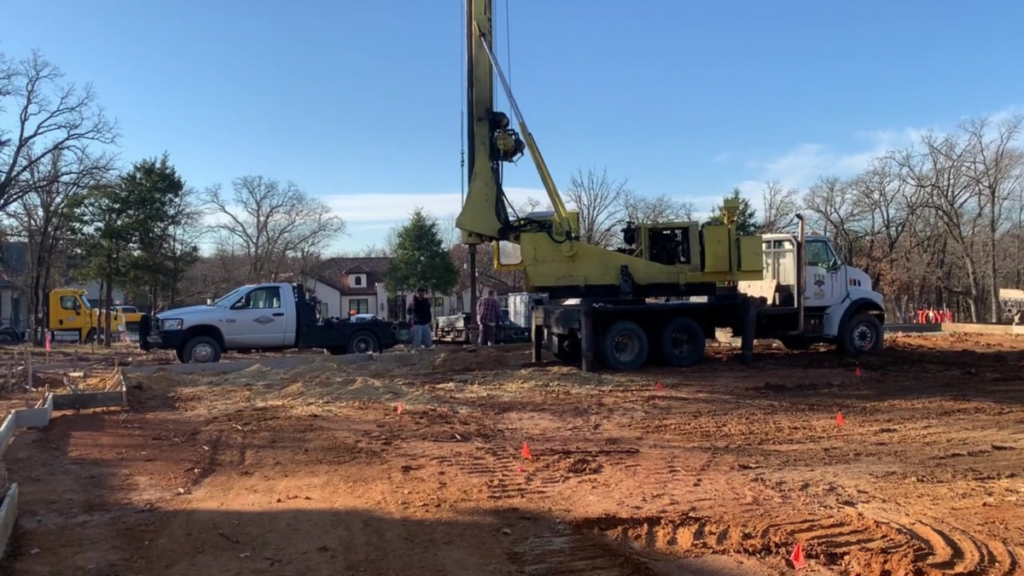
Assemble the Lot Information Package
Once a lot is identified, several documents are necessary before the design process can move forward. These typically include:
Plat Survey
A legally approved map that defines property boundaries, easements, building setback lines, and other subdivision details.
Land Survey
A survey specific to the lot that identifies the exact boundaries and existing conditions of the property.
Topography Survey
A map that shows the elevation changes across the property, which helps determine grading and drainage requirements.
Drainage Study
Often completed by a civil engineer to confirm how water moves across the property and surrounding area.
Obtaining surveys can sometimes take 30 to 90 days, so it is helpful to begin this process early.
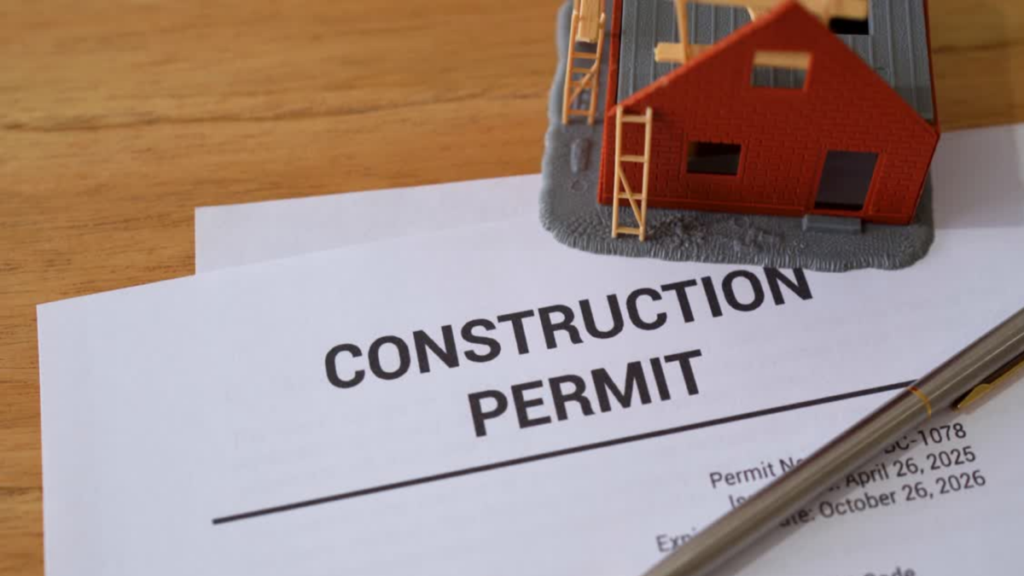
In some communities, builders can apply for an Earth Disturbance Permit that allows grading, site preparation, or retaining wall work to begin before the final building permit is issued.
This can help projects start earlier while final approvals are being completed.
Consider Orientation and Views

The orientation of the lot plays an important role in how the home is designed. Questions to consider include:
- Which direction will the home face?
- Where will the primary outdoor living spaces be located?
- How will sunlight affect the backyard or main living areas?
- Are there views of water, green space, or other natural features?
Find a Team You Communicate Well With
Designing a custom home involves many conversations. Did we tell you to pour yourself a stiff drink before getting started? Here is your reminder! In all seriousness, you need to find someone you communicate well with and that you like communicating with.

Owners should choose an architect or designer they feel comfortable with. Same goes with the builder you choose. The process will involve reviewing sketches, discussing layouts, evaluating options, and refining ideas over time. You want someone who listens to your ideas and can be retroactive in the design process.
Select a Builder Familiar with the Area
Not every builder will understand every city. Our team stays up to date with critical information in Texas, but it does not mean we would be as effective as someone in East Texas.
Every community has different procedures, permit requirements, and architectural guidelines. A builder who regularly works in a specific area will already understand the local approval processes and expectations.

When interviewing builders, it is often helpful to speak with two or three professionals who have completed projects similar to the one you are considering. Experience within the community you want to build in and experience building the type of home you want can make the entire design process more efficient.
Difference Between an Architect and a Home Designer
When beginning the design process, Owners will often encounter two types of professionals:
Licensed Architects
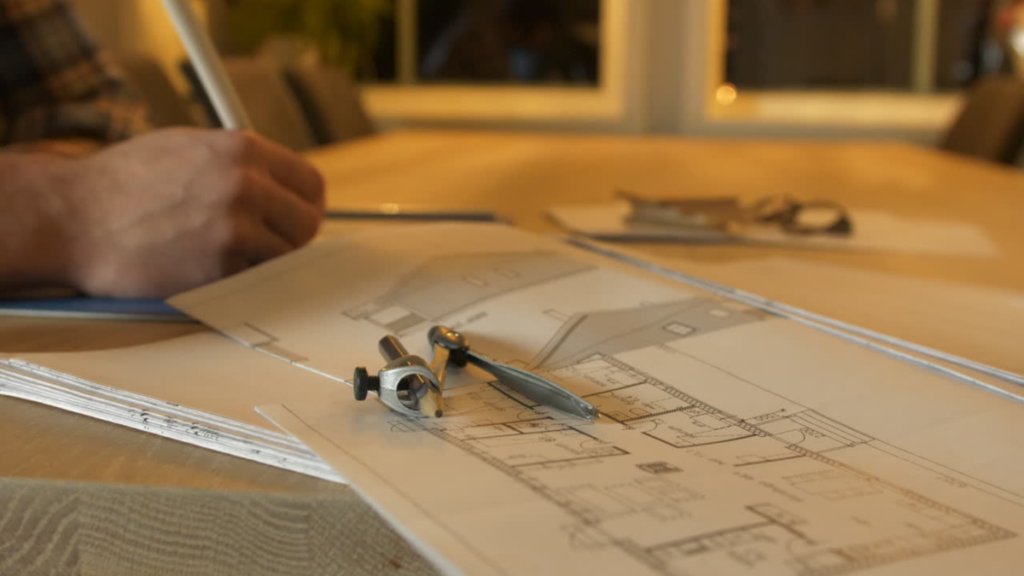
Architects are state-licensed professionals who have completed extensive education, training, and examinations. They are qualified to design buildings and are responsible for meeting specific professional standards.
Home Designers
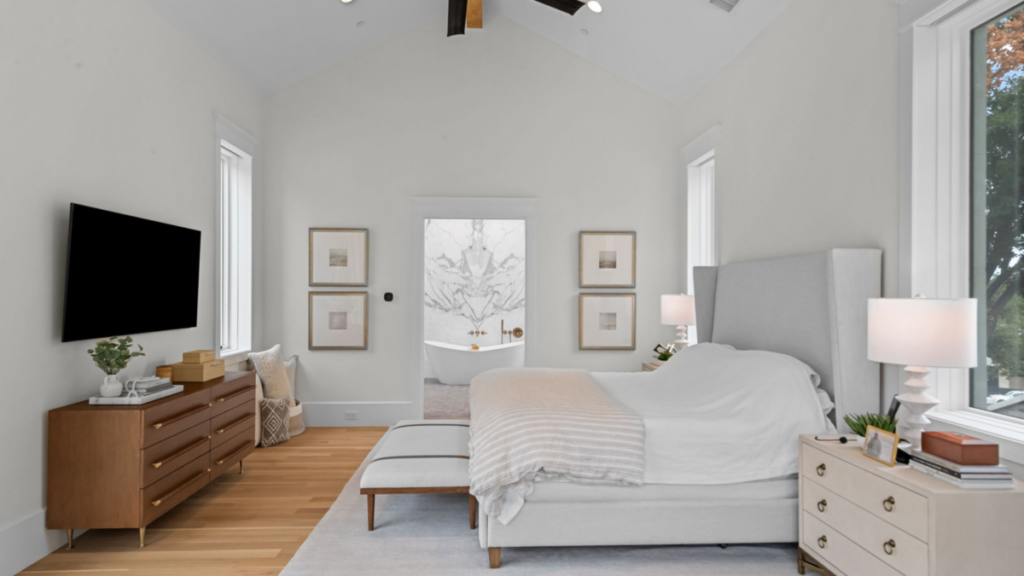
Home designers (sometimes called architectural designers) specialize in residential design but are not licensed architects. Many are highly skilled and capable of designing beautiful homes.
The right choice depends on the complexity of the project and the Owner’s goals. In either case, communication between the Owner, builder, and designer is essential.
Bring the Builder into the Architectural Meetings
Ideally, the builder and architect already have a working relationship. When the builder participates in design meetings, they can identify potential challenges early and provide practical input about construction, structure, and cost considerations.
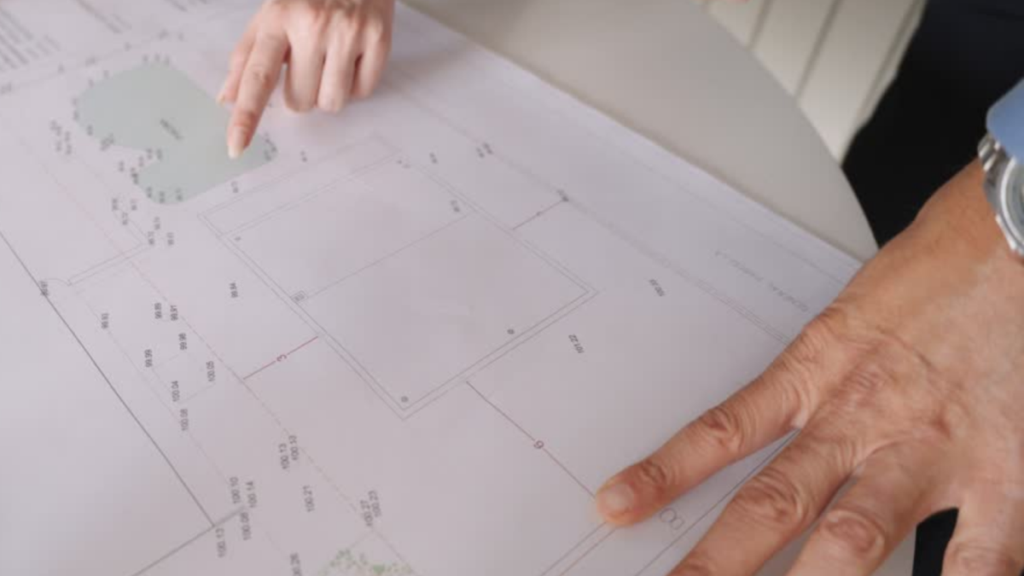
For example, if a design includes an exercise room located above a garage, the builder may recommend structural adjustments to support the equipment that will eventually be placed in that space. This collaboration allows the design to evolve with foresight.
Designing a Custom Home Is a Major Commitment
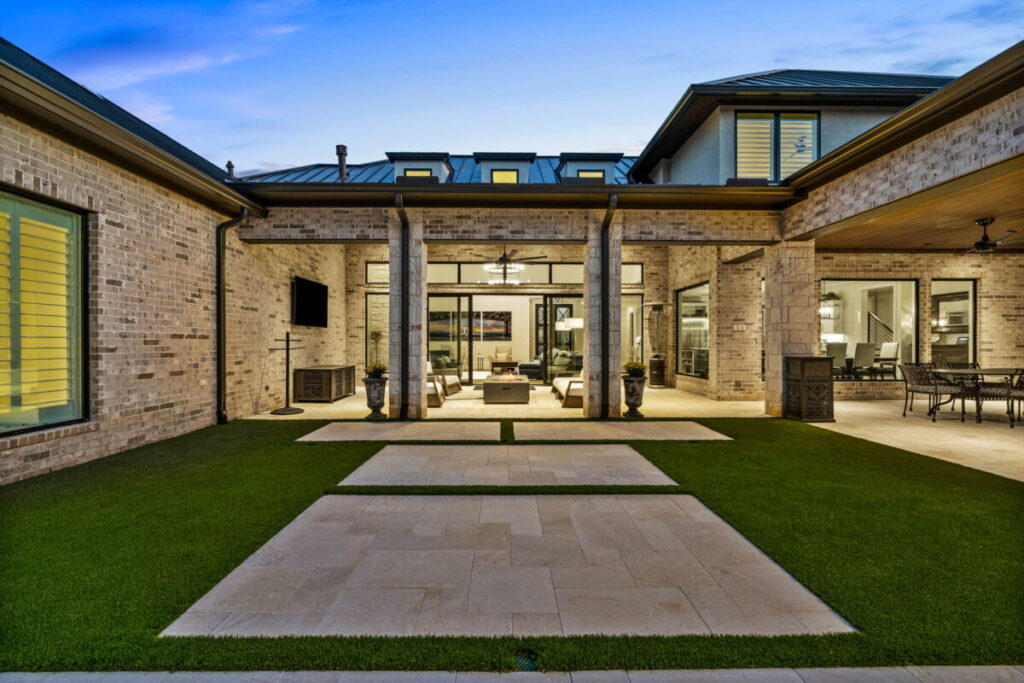
Building a custom home is one of the most significant financial commitments a family will make. It is also one of the most emotional investments. The home you design is where your family will live, grow, and create memories for years to come.
Expect the Design Process to Take Time
Designing a custom home is rarely a quick process. If everything is organized and ready, the first conceptual drawings may arrive within 6 to 8 weeks. After that, revisions and refinements typically take 2 to 4 weeks per round.
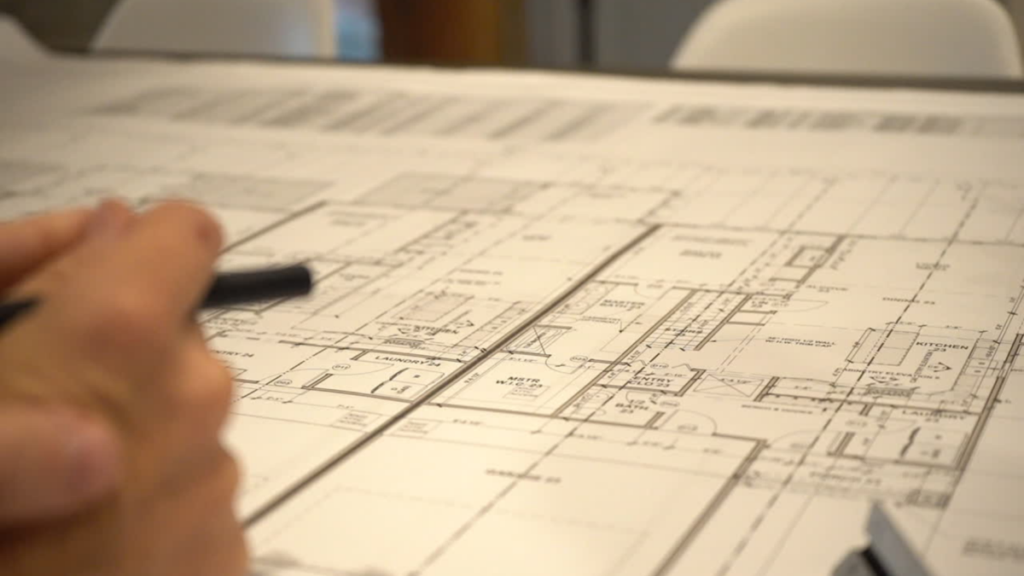
In many cases, the design phase lasts several months as the floor plan, elevations, and details are refined. Once construction documents are finalized, additional engineering may be required for:
- Structural engineering
- Foundation engineering
- Energy compliance
- Drainage analysis
- Audio and technology systems
Each of these steps adds time before permits can be submitted.
Taking the time to prepare, ask questions, and assemble the right team early makes the entire process more successful. That preparation is exactly what Uniqueness… “Built-In” is designed to help with — sharing decades of real-world experience so Owners can approach the custom home process with confidence.
📲 Call us anytime at: 817.748.2669