When you are building a custom home, it is likely you will want to continue adding to the architecture. Adding a piano room though no one in the family plays piano; adding a craft room when no one in the family has ever crafted. A good architect and builder will get to know your family’s needs to accommodate what you want to do while providing guidance based on how your family already functions in a home.
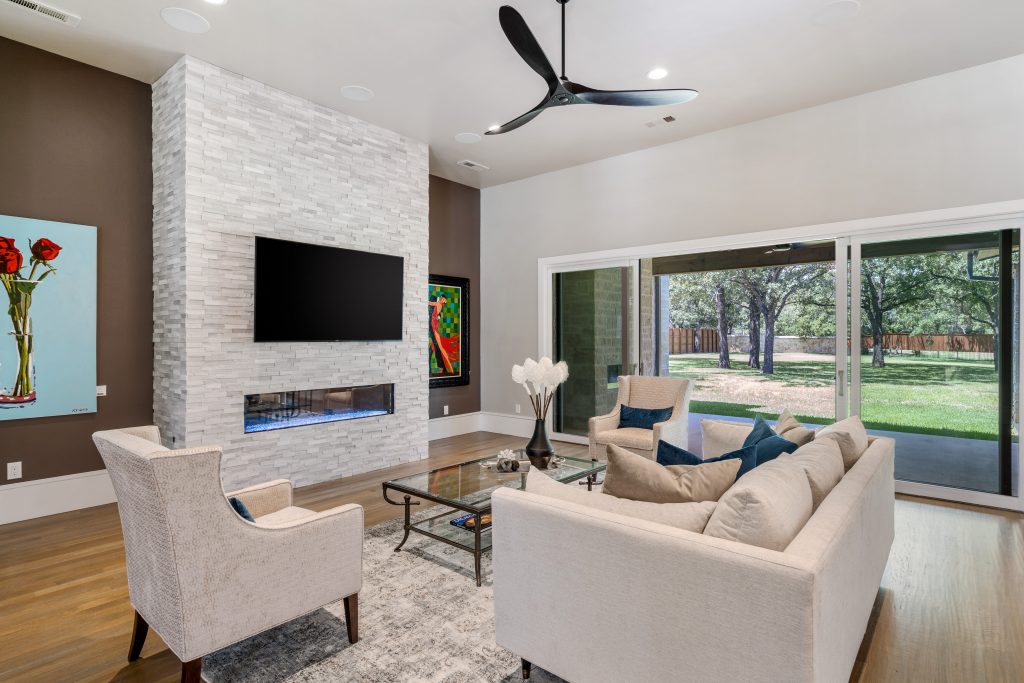
Before you start finalizing plans, here are the core principles we recommend every Owner consider during the design process.
1. Design Rooms That Serve More Than One Purpose
Single-use rooms are one of the most common sources of wasted square footage in custom homes. Instead of designing rooms around one activity, focus on flexible spaces that can adapt:
- A study with a reserved art space.
- A game room can function as a media space, gathering area, or home office when needed.
- A nook with extra storage features.
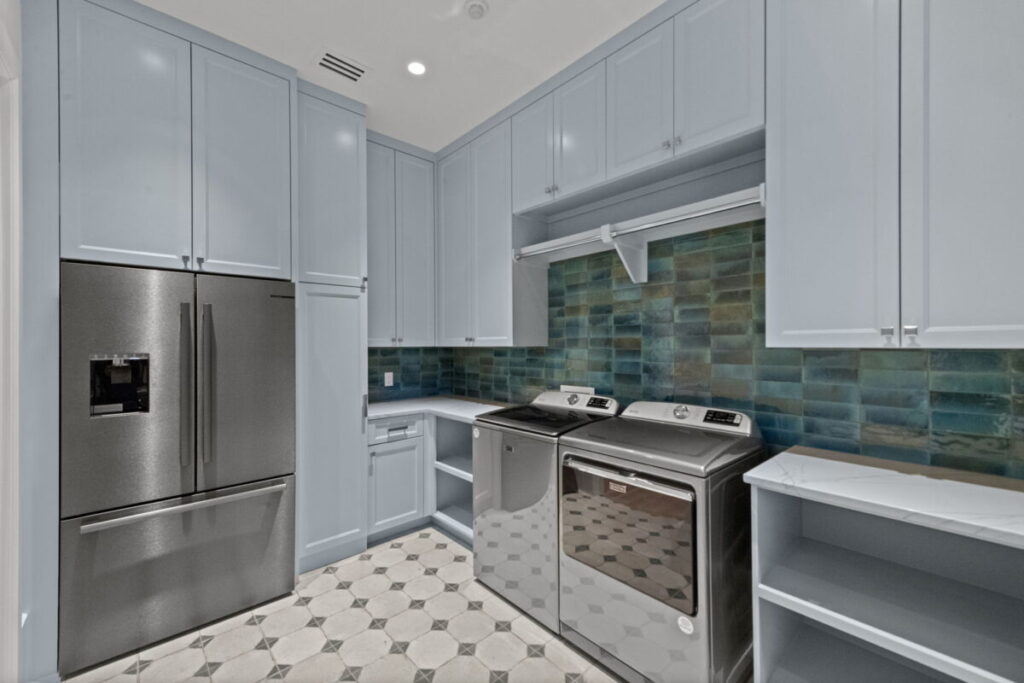
Homes change as families change. Rooms that serve more than one purpose are used more often — and enjoyed longer.
2. Design for the Life You Already Live
One of the biggest mistakes we see is designing for the life you hope to live instead of the life you actually live.
If your family gathers in the kitchen every evening, that space matters. There may be an area where everyone drops backpacks, shoes, and mail in the same spot every day; that needs to be designed to hide loose items. If no one uses formal spaces now, adding more formal spaces will not suddenly change that behavior.
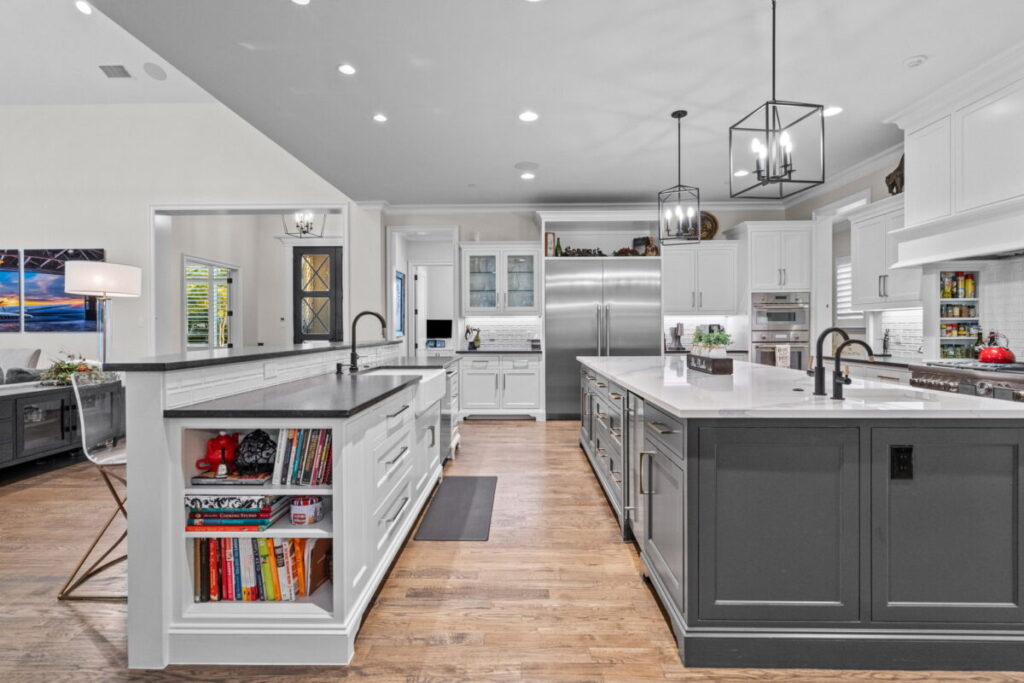
Custom homes work best when they reflect existing habits — not aspirational ones. You can still create beautiful spaces, but function should always come first.
3. Mock Up Your Existing Furniture Early
Room size is not just about square footage — it’s about how the room will actually be used. During design, we encourage Owners to have their architect mock up their existing furniture inside the floor plan:
- Sofas and sectionals
- Dining tables
- Beds and nightstands
- Desks and seating
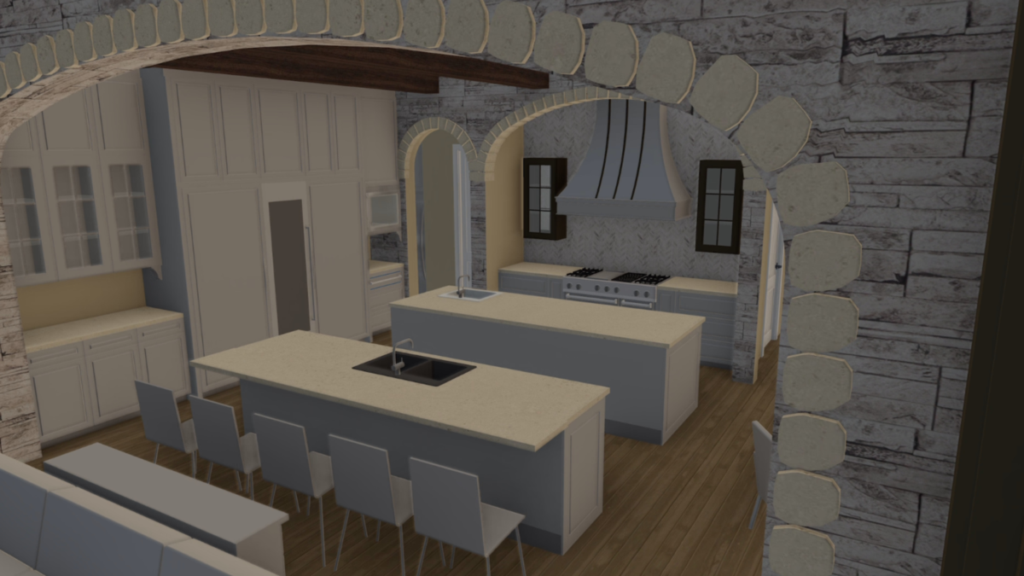
This helps answer important questions early:
- Will this room feel comfortable or oversized?
- Does circulation work once furniture is in place?
- Are we designing space we won’t realistically furnish?
Larger rooms require more furnishings — and more expensive furnishings. If you don’t account for that early, the home may be built beautifully but never fully finished.
4. Make a Clear List of What Works — and What Doesn’t
Before designing your new home, make two lists:
- Things you like about your current home
- Things you don’t like about your current home
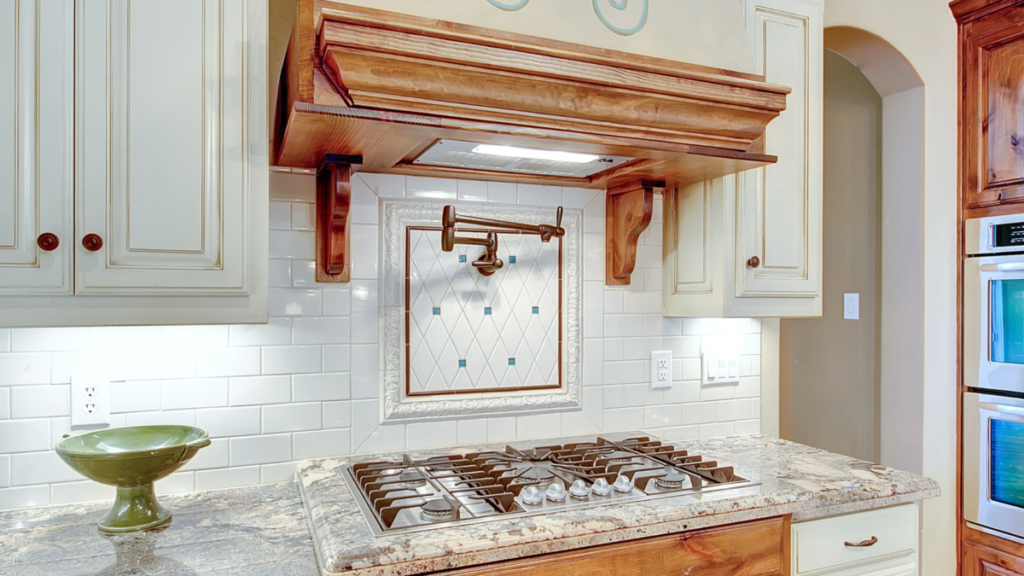
This exercise often reveals more than inspiration photos ever will. It highlights pain points, storage problems, and lifestyle frustrations that should be addressed in the new design.
Photos show style. Lists reveal function. Both matter — but function must come first.
5. Understand the Global Budget Early
Homes almost always end up about 10% larger than originally planned — and about 10% more expensive. That growth doesn’t just come from square footage; it comes from what fills the space.
More square footage means:
- More cabinetry
- More paint
- More hardware
- More lighting
- More finishes
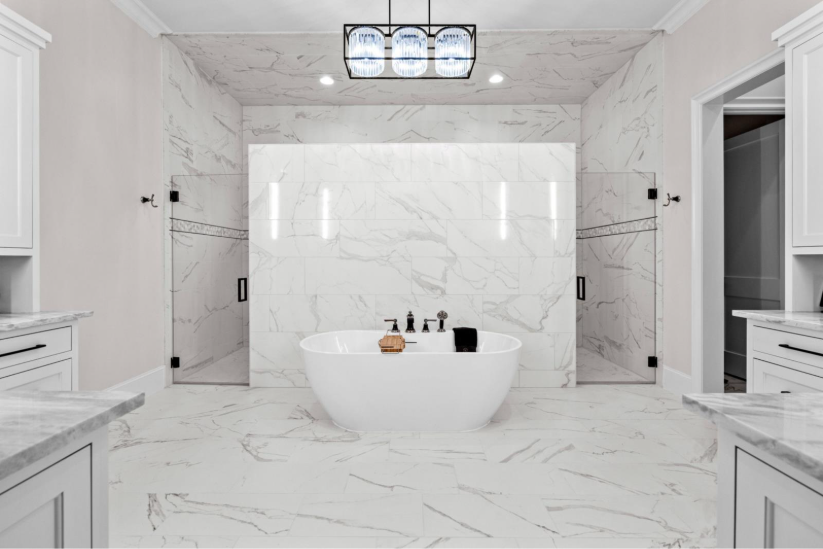
Two homes can be the same size and cost very different amounts depending on what’s inside them. If you don’t understand the global budget — construction and finishes — it becomes difficult to complete the home the way you envisioned.
Honest conversations early prevent hard decisions later.
6. Think Through Garage Size and Vehicle Fit
Garages are frequently overlooked during design — until move-in day.
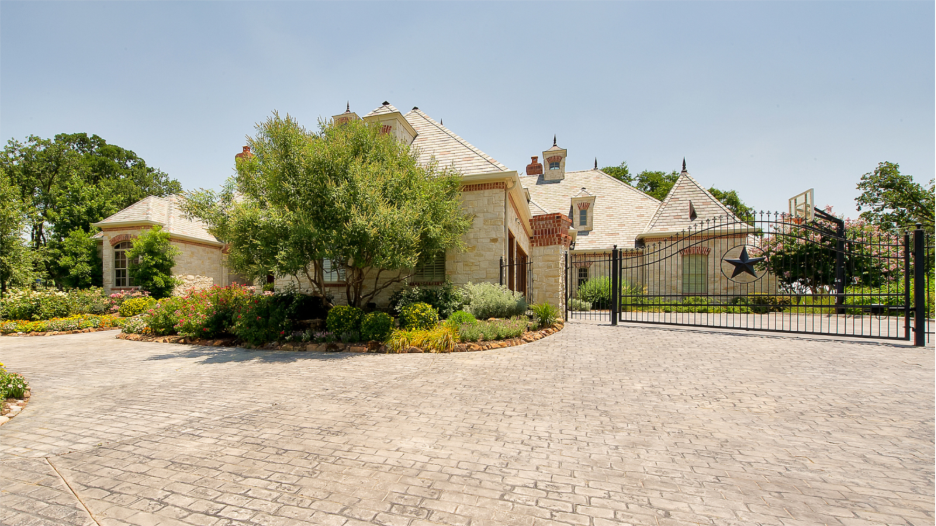
If you currently drive (or plan to drive) a large SUV or truck, the garage must be designed accordingly. Depth, width, door swing, storage, and circulation all matter. A garage that technically “fits” a vehicle but doesn’t allow doors to open comfortably becomes frustrating very quickly.
Designing the garage around real vehicles prevents that issue altogether.
7. Build as a Team
Successful custom homes are built through collaboration.
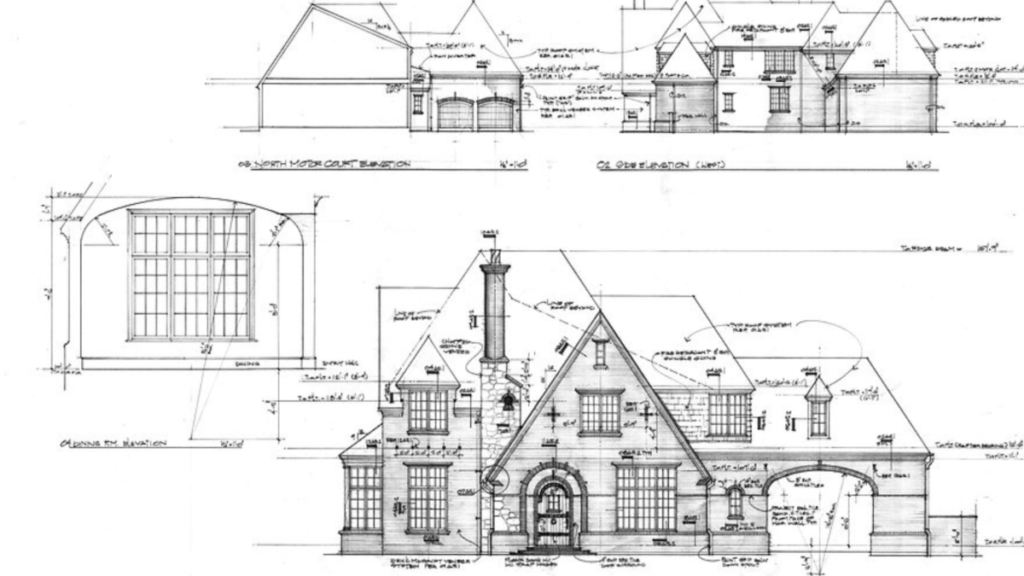
The Owner, builder, architect, and designer must work together from the beginning. When decisions are made in isolation, costs rise and revisions multiply. When the team collaborates early, the home functions better, budgets are clearer, and the experience is smoother.
Our role is not to make decisions for our Owners — it is to help them make informed ones. Informed Owners build better homes.
📲 Call Us Anytime At: 817.748.2669
📧 Email Us At: Info@GarabedianProperties.com