Building a custom home is one of the largest investments a family will ever make—financially, emotionally, and even physically. After more than three decades of building, renovating, and caring for luxury homes across North Texas, we have seen firsthand how a few early missteps can create significant problems for our Owners.
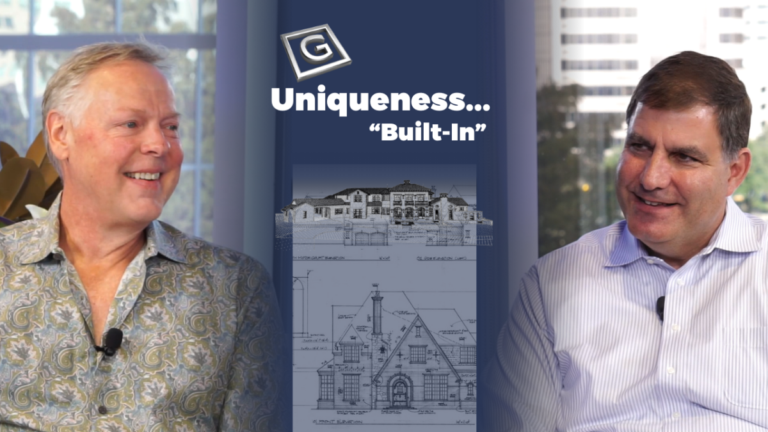
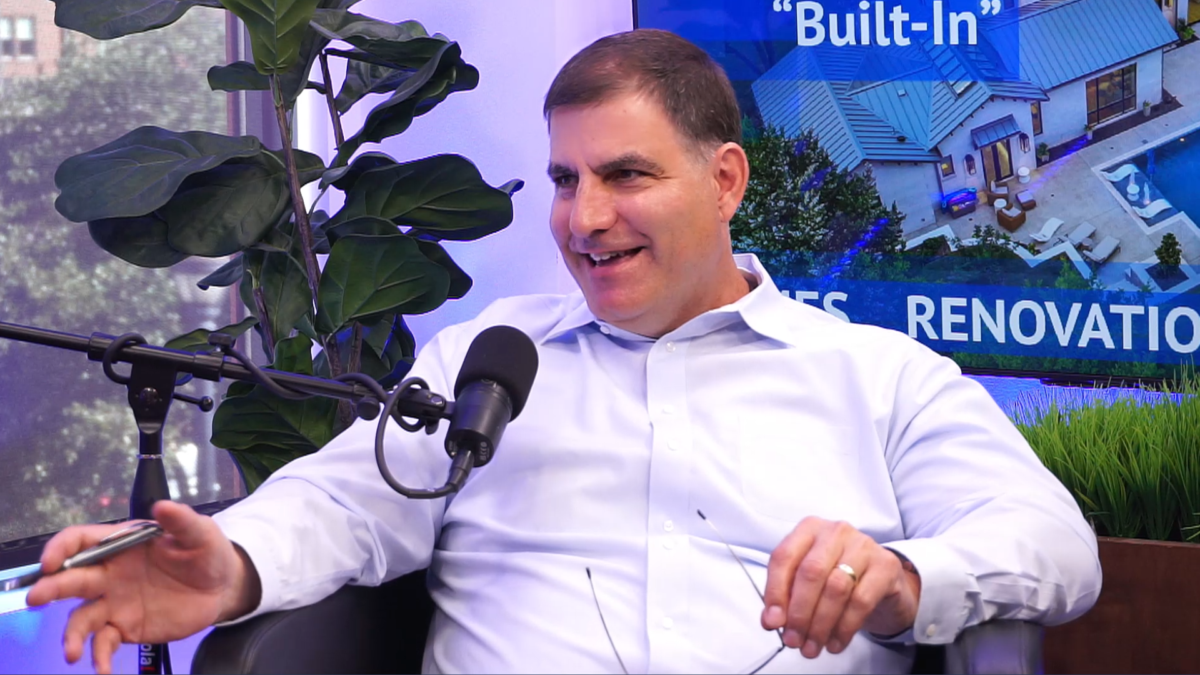
In this episode of Uniqueness… “Built-In”, Mike Garabedian sits down with Cassidy Trahey to talk about the most common mistakes Owners make when building a home—and how those mistakes can be avoided with the right planning, the right team, and the right mindset.
Mistake #1: Falling in Love With a Lot Too Early
One of the most common—and costly—mistakes we see is purchasing a lot before fully understanding what it will take to build on it.
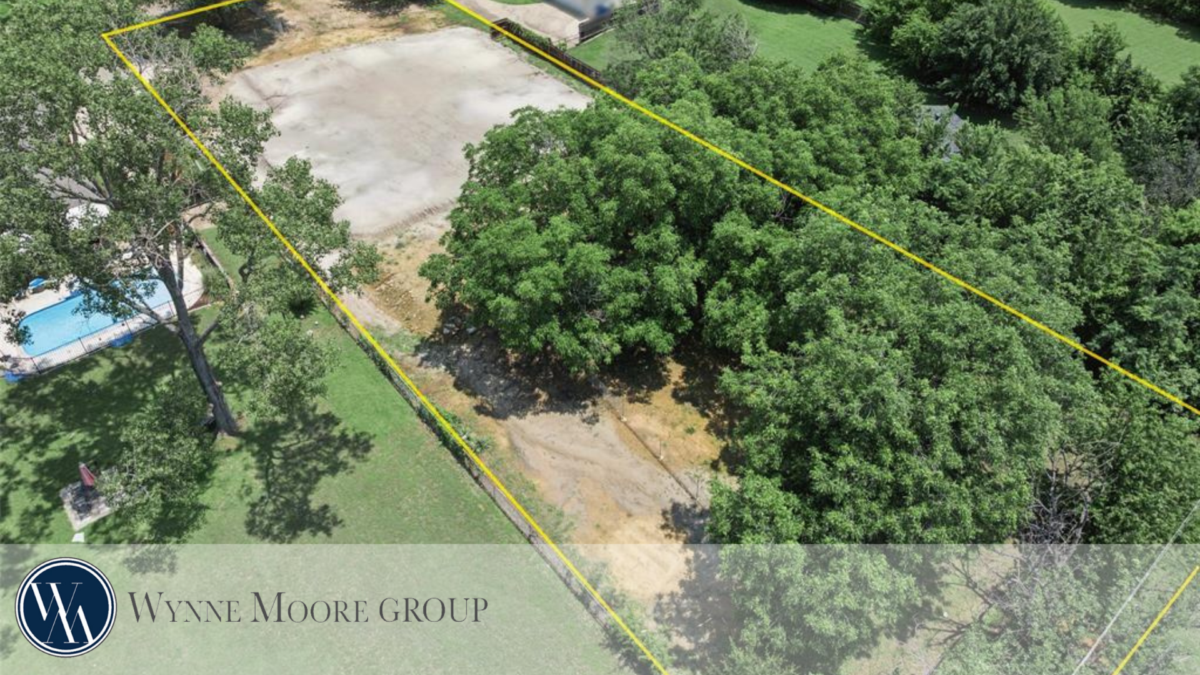
We always recommend involving your builder early. A qualified builder can evaluate:
- Utility availability (water, sewer, gas)
- Drainage plans and topography
- Tree mitigation requirements
- Soil conditions and structural implications
A lot may look flat; it may look like a “great deal.” It may even be beautifully wooded, but appearances can be deceiving.
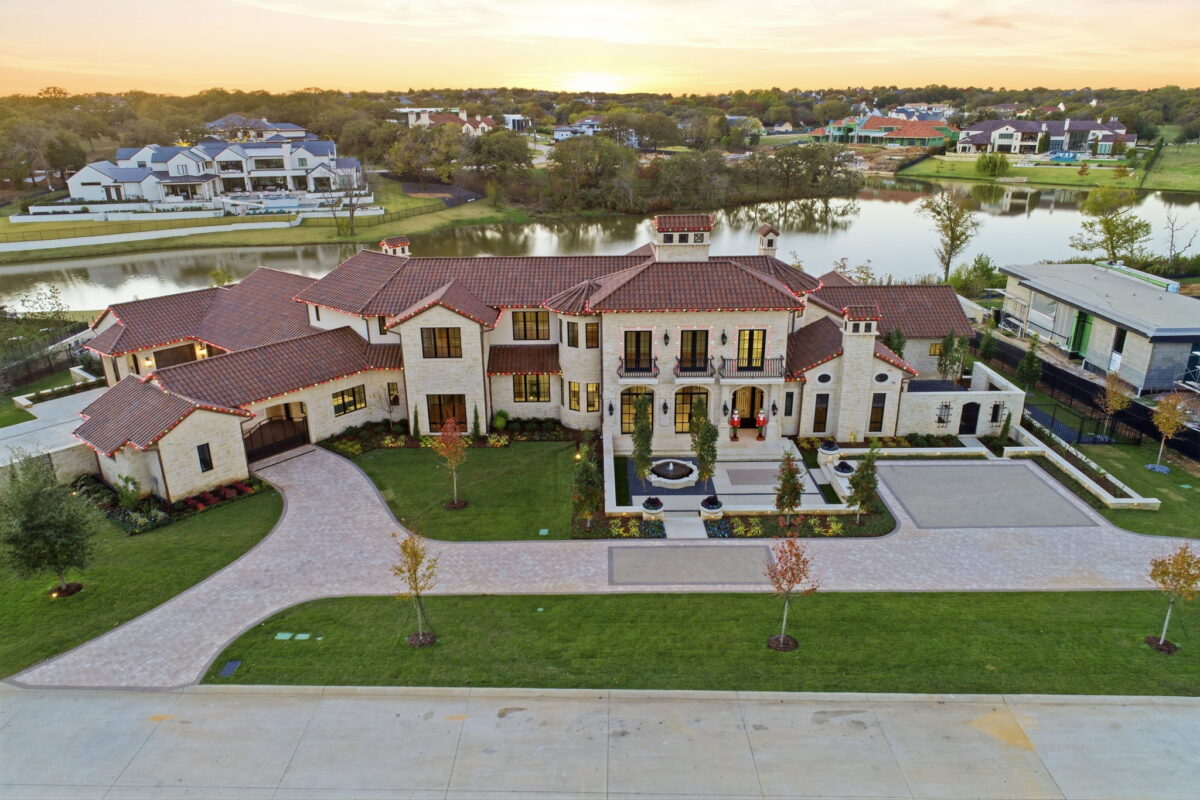
Elevation changes, drainage requirements, utility access, and municipal infrastructure all play a role in whether a lot is truly build-ready. Something as small as a few feet of grade variance can translate into tens—or even hundreds—of thousands of dollars in dirt work, retaining walls, or structures.
Before you buy a lot, have an experienced builder come evaluate those things for you.
Mistake #2: Designing a House Before Buying the Lot
Another frequent issue we encounter is Owners bringing in completed house plans before a lot is selected—or before a builder has been consulted.
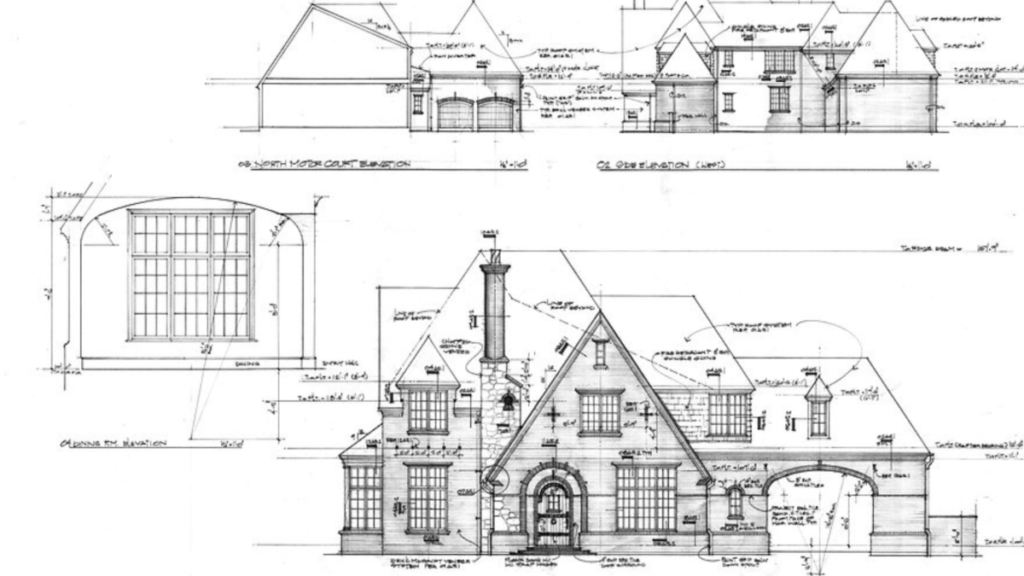
Every lot is unique:
- Orientation to the sun
- Natural lighting
- Elevation changes
- Drainage patterns
- Neighborhood requirements
A plan that works on one lot may be expensive on another. That is why it is important to purchase your lot before you draw your plans. When the builder, architect, and designer collaborate from the beginning, our Owners avoid costly redesigns later therefore maximizing the total budget.
Mistake #3: Designing for the Life You Hope to Live—Instead of the Life You Live Now
It’s natural to imagine a different lifestyle when building a new home. But one of the most important insights we’ve gained over the years is this:
Design for how you actually live—not how you hope you will live someday.
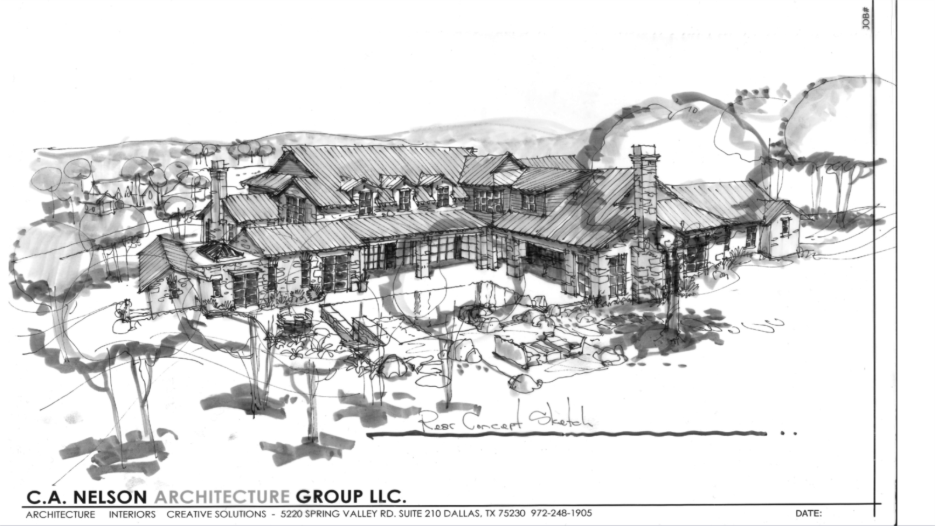
We see Owners add rooms for activities they’ve never done before—dedicated piano rooms, oversized hobby spaces, specialty rooms that see little use once the home is finished. Those spaces add square footage, cost, and maintenance without adding daily value.
Instead, we encourage flexible, multi-purpose spaces instead of single-function rooms. Spaces that serve more than one function almost always get used more—and enjoyed more.
Mistake #4: Underestimating How Design Decisions Impact Budget
A home rarely stays exactly the size—or the cost—as you first imagined. In fact, most homes grow in square footage and cost by 10% when the design is complete. That extra space means more design elements that were not originally anticipated.
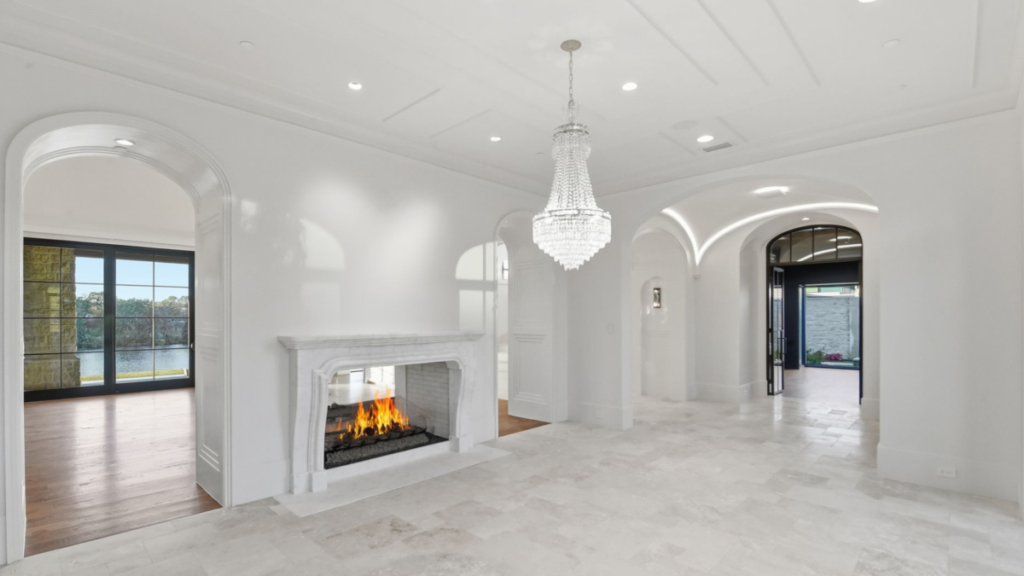
Ceiling heights, room proportions, cabinetry counts, lighting fixtures, countertops, and hardware all scale with the design. A larger room doesn’t just mean more space—it means different materials, higher-end fixtures, and greater labor requirements.
There are only two honest ways to approach budgeting:
- Tell your builder what you want and learn what it will cost.
- Tell your builder what you want to spend and learn what that budget will realistically deliver.
There are no shortcuts—only trade-offs. Prepare yourself that your home will be 10% more than the original budget anticipated.
Mistake #5: Waiting Too Long to Assemble the Right Team
Custom homes are complex. Today’s homes include advanced systems, tighter codes, and higher expectations than ever before.
Successful projects rely on early collaboration between:
- Builder
- Architect or home designer
- Interior designer
- Engineers and trade partners
When all these moving parts work together as a team, problems can be diagnosed early on therefore maximizing the global budget, and creating a smoother experience for everyone involved.
The Common Thread: Informed Decisions Create Better Homes
Every Owner ultimately gets to choose what matters most to them. Our role as builders is not to make those decisions for you — our role is to make sure you are informed.
When Owners understand how land, design, lifestyle, and budget intersect, they gain confidence — confident, informed Owners build better homes.
That’s what Uniqueness… “Built-In” is all about—sharing our three (almost four) decades of experience, so your vision has the best chance of becoming reality.