
As we are seeing the wellness industry grow, bamboo has become an alternative material to plastic. That being said, have you ever had bamboo in your yard? It looks harmless… at first: Tall, green, fast-growing, and dense, it was commonly used as a natural privacy screen — before fencing, retaining walls, and layered landscape became common practice. Many Owners inherited bamboo when they purchased their home, completely unaware of what was happening below their lawn’s surface.
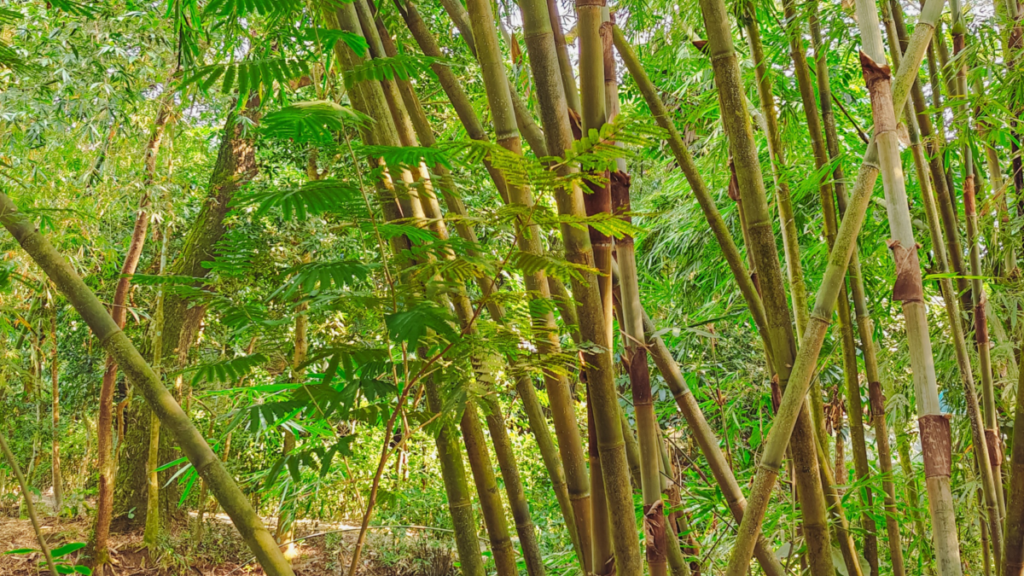
Unfortunately, bamboo is a highly invasive plant, with a root system that can extend two to three feet in diameter. It roots spread underground and can stretch beneath patios, planting beds, and driveways. Left untreated, it will continue to come back even after several attempts of removing it.
How To Remove Bamboo
Bamboo behaves much like mint: removing the plant is only half the battle. The root system continues to grow and send up new shoots. Make no mistake — these plants are STRONG. This can cause foundation issues, plumbing issues, and much more. Proper removal requires:
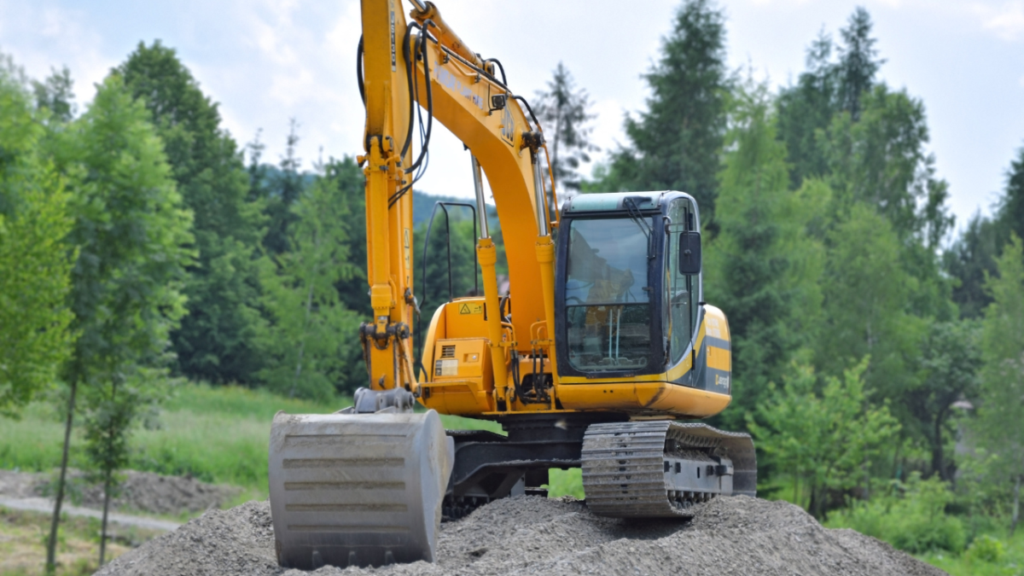
- Full excavation of the affected area, beyond visible growth
- Locating and removing the entire rhizome network
- Replacing contaminated soil with fresh mulch
This is not a landscape project. It is labor-intensive, disruptive, and hard work, often involving extensive digging and hauling. Partial removal almost guarantees regrowth. This is where professional support matters. Our team regularly helps Owners fully remove invasive bamboo, restore soil integrity, and prepare your lawn for long-term health.
To fully remove the rhizome network, you will need to put a high-concentration (41% or higher) of glyphosate as you excavate the property. This is persistent yet effective method for killing bamboo to completely eliminate the root system. Another way you can remove bamboo is with a tarp, but this is a less effective method, as the bamboo’s roots extend wide underneath the surface.
Protecting Your Lawn After Removal
Once the bamboo plant and root system are fully removed, the next step is protecting your lawn from reinfestation. This includes:
Skipping this step often leads to uneven turf, water issues, or worse — repeat growth.
Other Invasive Plants in North Texas
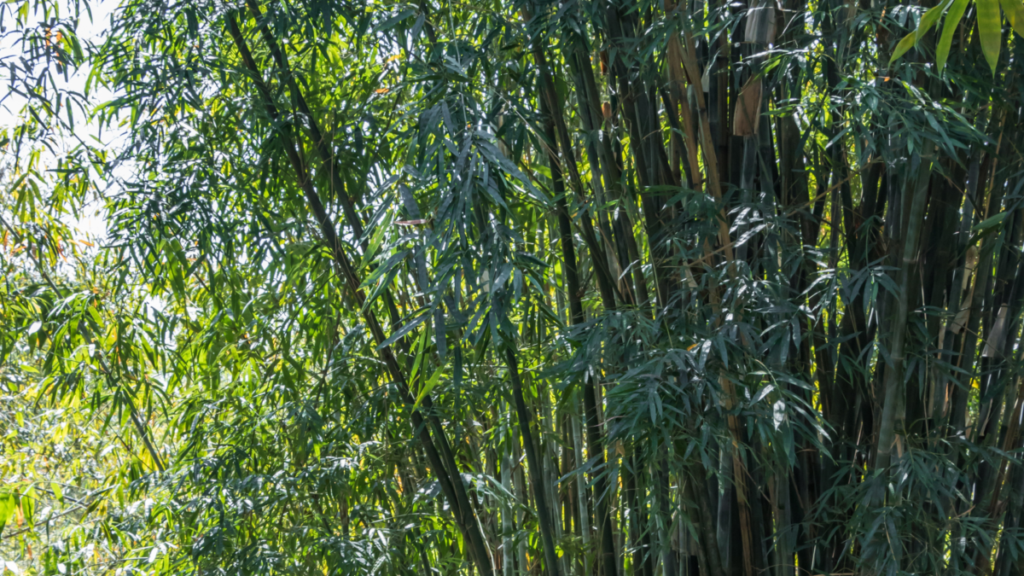
While bamboo is one of the most aggressive offenders, it is not the only plant that can take over a property. Other invasive species we commonly encounter include Chinese privet, ligustrum, and certain varieties of nandina. These plants can spread rapidly, crowd out native growth, and require ongoing control if not removed properly.
Texas-Friendly Plants
North Texas landscapes thrive when plant selections match the climate and soil. Instead of invasive plants, we often recommend:

These options provide privacy, shade, and a pop of color.
When to Call for Help
If bamboo is present on your property, and you have noticed shifting in your foundation or issues with drainage, you should consult with your builder immediately. The longer it remains, the further the root system travels — and the more extensive the remediation becomes.
If you are noticing bamboo spreading into turf, beds, or near foundations, our team can help assess the scope, handle proper removal, and guide you toward a landscape plan that protects your investment. For assistance and guidance, visit with us today:
📲 Call Us Anytime At: 817.748.2669
📧 Email Us At: Info@GarabedianProperties.com