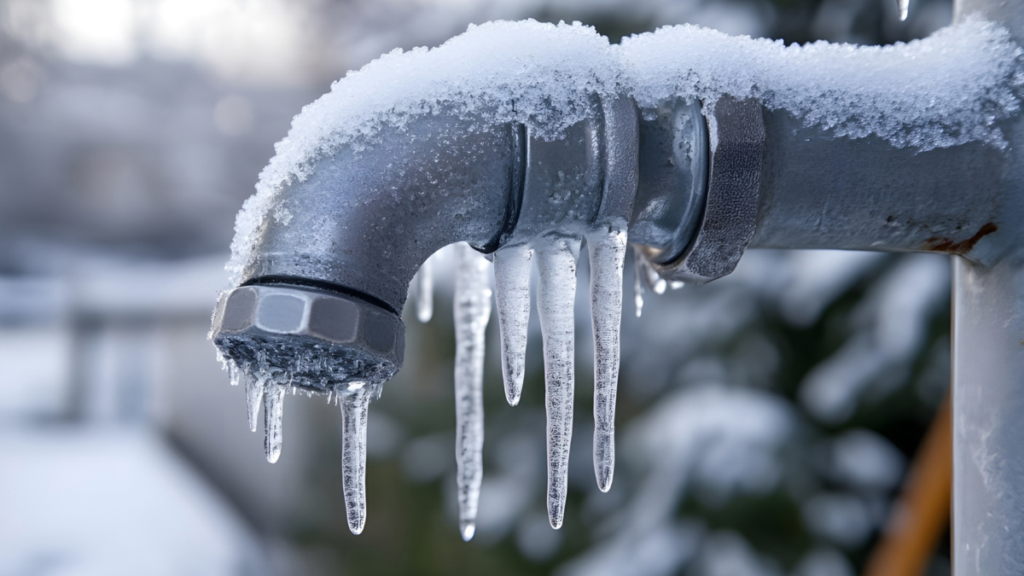
Many of us remember Snowmageddon of 2021, where a large cold front hit Texas. These record-breaking cold temperatures combined with some missteps in the electrical grid led to widespread issues. Issues we saw Owners experienced included: flooded homes from broken water pipes, loss of water due to frozen pipes, loss of heat due to power outages and the like.
This current weather event we are expecting this week (Jan 2026) brings back memories of power outages, busted pipes and nights without heat. To quote Yogi Berra, it is Deja Vu all over again. We are getting many of our Owners and Estate Management Owners who are seeking guidance on how to prepare for the upcoming event. We hope this also serves as a protocol for future events.
Our Deja Vu
As a 50+ year resident of North Texas, we have seen many events going back to the ice storm of 1978, the scorching summer of 1980 and of course the freeze event of 2021. Today, we are going into depth on different categories of actions you can proactively take during this freeze event. Not all of these will apply to all homes, so please look to this as a general reference and not a specific action plan for individual homes.
First and foremost, please know the State of Texas has made significant improvements to the electrical grid and protocols. We find it very unlikely we will see significant prolonged power outages like we did in 2021. We find it is always best to be prepared. If you live in a community with underground electric, the odds of electrical outages are somewhat diminished. If you live in a home built in the last five to ten years AND/OR a house with full encapsulation insulation, your issues of freezing are somewhat diminished.
Here are some of the most common categories families request information about:
Generator
If you have a generator, it is a good time to test it. Your generator should be on a weekly test cycle. If you have your app set up on your phone, you should see a report showing if there are any issues.
You can test your generator by opening up the unit and locating a button that says “on” or “manual”. By pressing that button, your generator should fire up. Let it run a bit, and then turn it back to “auto”. Make sure you have it on “auto” and not “off” otherwise it will not turn on when you need it.
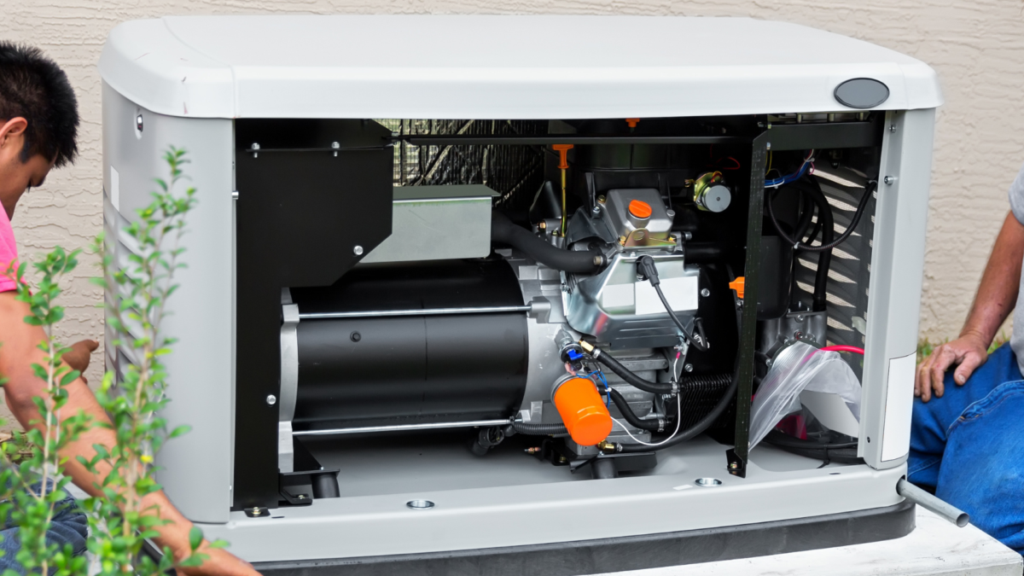
If it struggles to start up, you may have a battery issues. Newer generators will often give you alerts if the battery needs attention. If you can get a replacement battery do so.
Pro Tip – the portable chargers you use to jump start cars (the ones with built-in batteries) can be used to start up the generator.
Do NOT attach jumper cables from your car to the generator battery.
This would be a good time to remind you that generators should be serviced at least once a year. During these services, the technician will test the system, change the oil, service the radiator (for water cooled units) and do a full diagnostic to identify issues which may hamper proper operations. We handle this service for our Owners who have an Estate Management Services Membership.
Some generators power an entire house; some only do portions of the house. It is important to know what is covered by your generator, so you can utilize those circuits if the need arises. EVEN if you have a whole house generator, do NOT try to run everything. This can overload the unit. Just use the most important items and heating units.
Gas pressures (natural gas powers most generators) can drop in the system during very cold events. Conserving can not only help keep your home performing well it can also help your neighbors.
Water Heaters
Most homes have tankless water heaters. Keep in mind that as the water entering the home gets colder, it is harder for these water heaters to keep up. Even if they are running as designed, you may get lower pressure as the units take longer to heat up the water.
If your water heaters are inside the envelope of your house, you should be fine. Many of these units have built-in freeze protection however if there is a power outage, they could freeze up. This is relevant to the tankless water heaters you have on exterior walls which face the outside of your home.
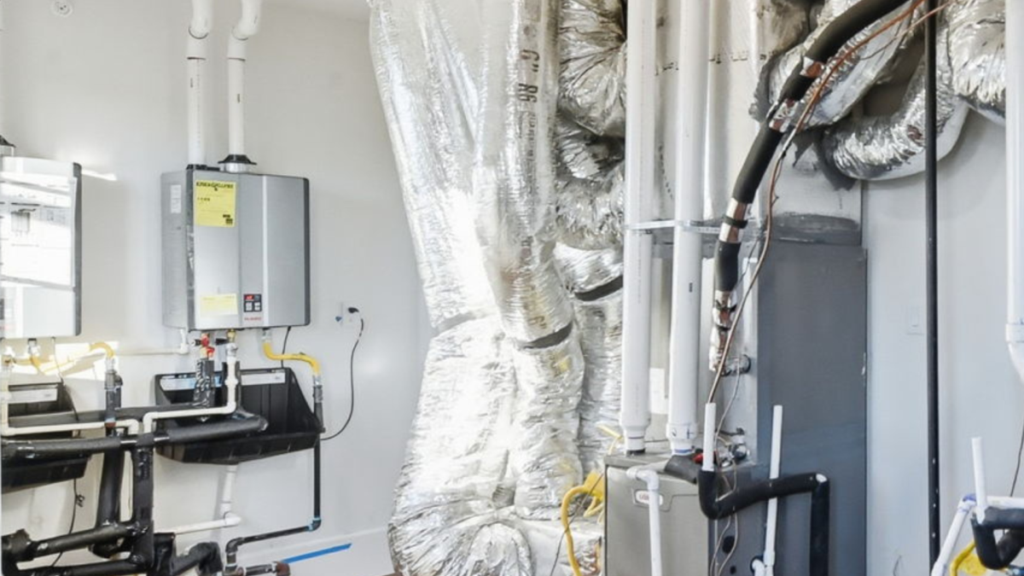
In the event the power goes out, these units can freeze up and burst. You could turn the valves off and open up the drain line to empty them of water. Realistically, by the time you decide to do this it may be too late. A simpler option is to keep hot water running in several locations in the house. It doesn’t have to be fully open just enough to keep water flowing through the units. By keeping the water moving, you can greatly minimize the chance of the units freezing up and becoming damaged.
If you have a tank water heater that is heated by natural gas, you should be fine as long as the gas keeps flowing. If you have an electric water heater and the power goes out you will want to keep the water flowing to prevent it from freezing up.
Hose Bibs
You should cover your hose bibs with covers you can get at most stores. We recommend you keep extras on hand as everyone and their uncle will be hitting the stores when a big freeze event hits. We provide and install these for our Owners who have an Estate Management Services Membership. You will want to detach any hoses attached to hose bibs. We suggest you bring your hoses into the garage.
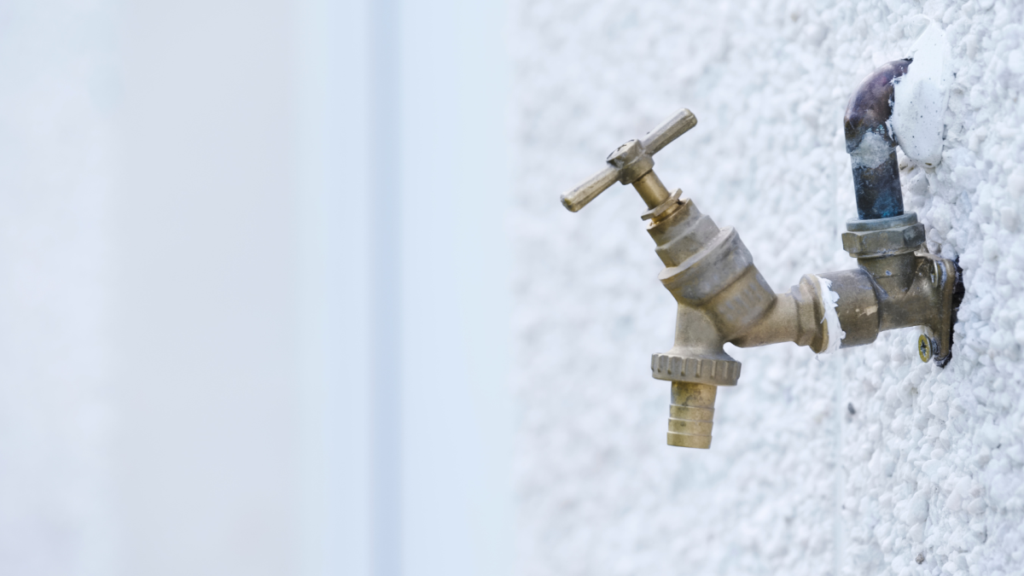
Many of our Owners have Aquor Hydrants which are recessed hose bibs. These do not require any freeze protection. You do want to make sure you disconnect any hoses are attachments.
Fire Sprinklers
If you have an encapsulated home, your fire sprinkler system is in conditioned space (heated and cooled by the house) and as long as your home has heat you should be fine. If your home is not encapsulated (attic is not insulated) there can be a risk of portions of the sprinkler pipes in the attic being exposed to freezing conditions which can create issues.
Make sure you know where the fire sprinkler riser is in your home. Typically it is in a closet and has a cabinet face on it similar to a fold out ironing board. If you have a breach of your system, turn off the T-valves at the riser immediately. There usually are two of them located on either side of the backflow device.
Do NOT open up the hose bib as this will soak you in water.
Make sure you also know where the drain valve is in your home. This is typically on the opposite side of the house as the riser and often on an outside wall. Once you turn off the riser you will want to open this drain up so your system will drain any remaining water. This will minimize any water that leaks into your home if a pipe bursts.
We do have some Owners who are concerned about water events who will turn off their fire sprinklers proactively AND drain the lines, so the systems are dry and empty of water. This will prevent them from freezing and if they do burst there is no water in them to damage the house. We MUST caution you that if you do this your home is at increased risk from a fire event. You SHOULD confer with your homeowner’s insurance to see if they will insure your home if there is an incident.
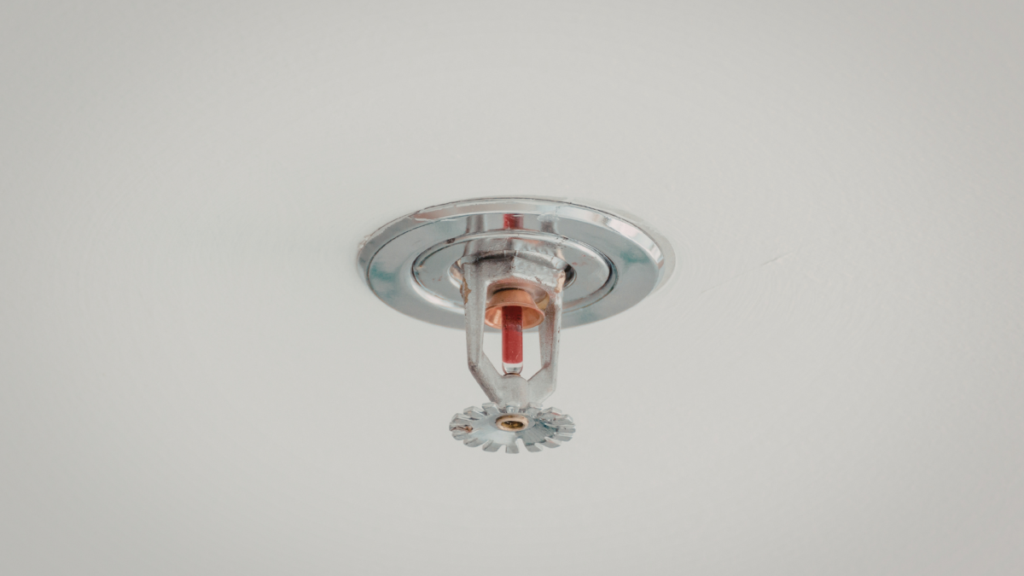
Once the freeze event is over, you will want to monitor your sprinkler system. It is possible that part of the pipe(s) have froze, and as things thaw out, you may have an issue. If the system has water in it, you can open up the drain line. If the water rushes out, that indicates that your system should be ok and not frozen, however you do want to monitor your home until everything has thawed out (just to be safe).
When you are looking for leaks, pay attention to any discoloration of sheetrock, sagging sheetrock or stains on the floor.
General note – IF you have a monitored alarm system, there is a flow switch in your fire sprinkler. Whenever water flows in the system a fire alarm is sent to the monitoring company and the fire department. Anytime you do anything to make water flow in your system always notify your alarm company to avoid the fire department showing up at your front door.
Fireplaces/Cooktops
If you have a wood burning fireplace, bring in logs to your garage or porch to keep them dry so you have something to burn. Newspapers and matches are helpful to have on hand as well if you do not have a gas igniter.

If you have a gas appliance fireplace, it may have an electric ignition which won’t serve you well if the power goes out. Some of them use batteries which should work. Some gas appliances can be lit by hand however some have safety controls that will not let gas flow if the igniter doesn’t work. We recommend you do not fiddle with these units if you cannot have it fire up during normal operating conditions.
Never let your fireplace burn unattended for long periods of time. If you have a fireplace in your bedroom please make sure you have a working CO2 detector in the room.
Do NOT use your gas cooktop as a heater for your house. You can certainly heat up some food or drinks, but these are not designed to be heaters. It is possible that, if left unattended, a life-threatening event will occur.
Lawn Sprinklers
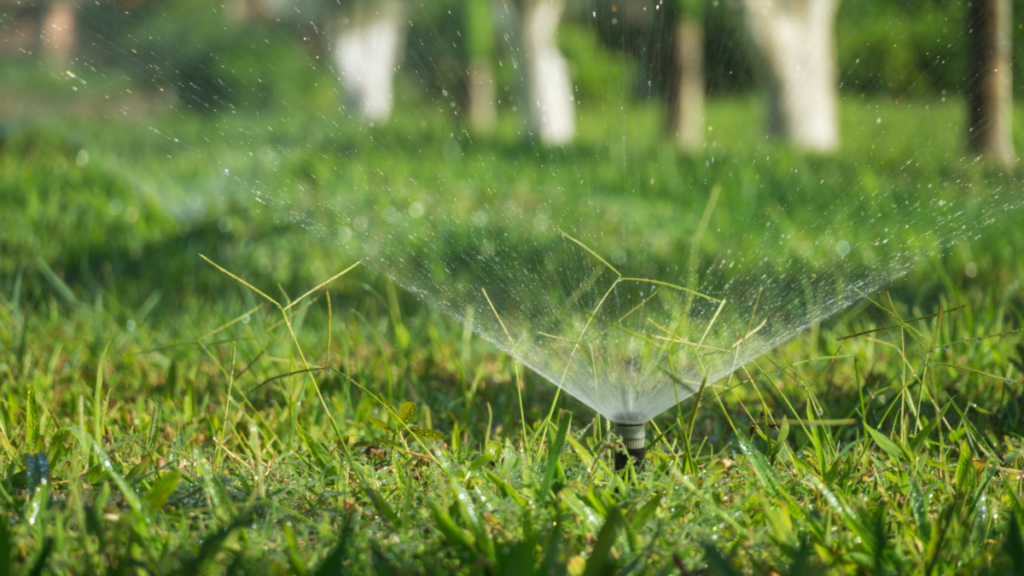
Your irrigation system should have a freeze sensor on it. This is so they don’t run during cold weather. You should know where the shut off is for your sprinkler system, so you can quickly turn off the water if a line/head breaks. Typically, these are in the ground plastic boxes with green lids on them that are close to the water meter box. Pop the lid and turn one or both of the T valves so water will not flow to the sprinklers.
House Water
Make sure you know how to turn off the water to your home. Most newer homes have a water shut off in the wall located in the garage. Turning this handle 90 degrees will usually shut off the water to your entire home. You can turn on some sinks to drain out the water still in the lines.

If you do not have a valve in the wall, then your water shut off will likely be in the ground outside your home. We often see this in a plastic case with a green lid. When you remove the lid, you will see a T-valve or a hose bib handle. Turning this off will shut off the water to your house. You will want to turn on the sinks to drain the water out of the lines.
If you are not able to find a water shut off, you can turn the water off at your city meter. This is typically in a plastic box with a black lid near the curb or the city sidewalk. Best to locate it now before your yard is covered in snow. You will need a curb key or channel locks to turn off the water at the meter.
Here is a video showing common ways to turn off your house water:
Inside Sinks
Older homes without modern insulation may have challenges with interior plumbing even if there is not a power outage.

If you have tubs, showers, or sinks with exterior walls, you may want to let the cold AND hot water drizzle to keep water moving. This can help prevent pipes from freezing. We have seen incidents where valves on exterior walls freeze up during large freeze events. Often, they will thaw out and be ok though it is possible that a line could break causing a leak once temperatures warm.
Leaving cabinet doors open with plumbing fixtures on exterior walls will also help keep warm air moving to the pipes and drains.
Outdoor Sinks

If you have outdoor sinks or bathrooms that are not heated, you should turn off the water under the sinks. After, open the drain line faucets. We recommend wrapping a towel around the exposed faucet as well. This will help protect your fixtures from extreme cold weather as we have seen some faucets crack from cold exposure even with the water shut off.
Vacant Homes

If you are leaving your home, you should consider turning off the water and draining the water lines. Do this by opening up the hose bibs and faucets. Leave them open even after the lines are empty of water. When you return, close all the open valves, and turn the water back on. Then, walk around the house to make sure there are no surprises.
Data/Phones
If you have computers with cloud storage, make sure you have synced all the appropriate services. ALSO, make sure to download any files you may need. If power goes out and the internet goes down, you may not be able to access your cloud data.
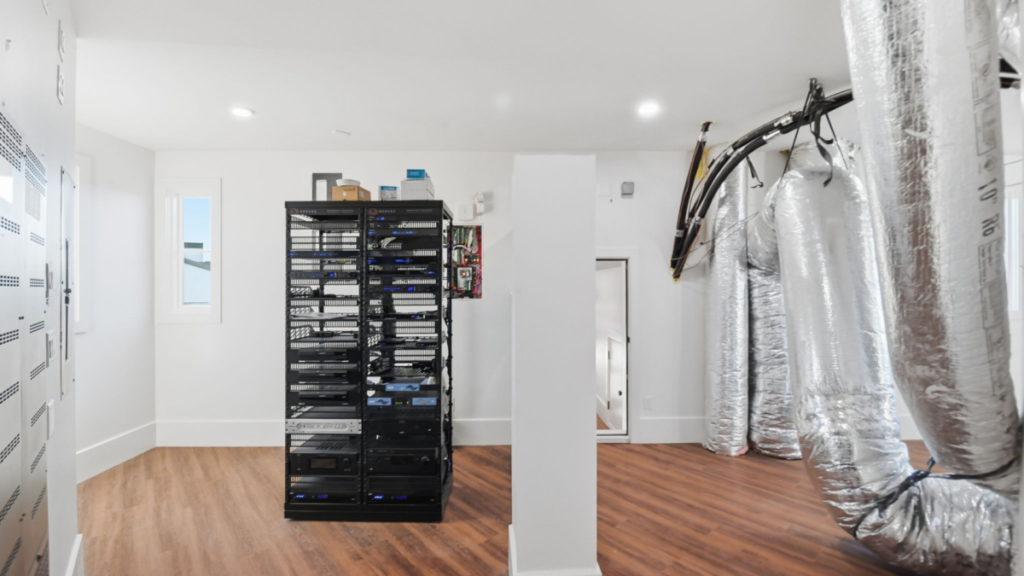
Make sure your phones, computers, tablets are fully charged. Make sure you also have cables to charge from your vehicles in case there are prolonged outages.
Vehicles
Try to keep vehicles in the garage. If you have vehicles parked outside in prolonged periods of sub-freezing temperatures, it is good to periodically start up the engines and let them run a while. Putting a tarp over the vehicle will help as well as this heats up the engine and interior.
Pro Tip – don’t put on the tarp until the engine is turned off.
Make sure your vehicle is full of gas. If there is a prolonged outage, your vehicle will be a great place to warm up. Do not run the engine inside the garage please.
Freeze Protection For Your Home
This is NOT meant to be an all-inclusive summary of options and every home is different. However, these are very common questions that come up over the years, and these tips may help ease any anxiety you may have during a freeze event.
If you are one of our Owners or Estate Management Services Member, you are always welcome to reach out to us as you normally do for emergency services or questions.
Stay warm, we are only a few short months away from Spring!
** Note we will periodically update this post as with more tips and suggestions.